Original Hungarian text translated into English
Original Hungarian text translated into English
Description
At the age of 10, a child should be going to school, playing with friends, doing sport, laughing, making plans and enjoying a carefree childhood.
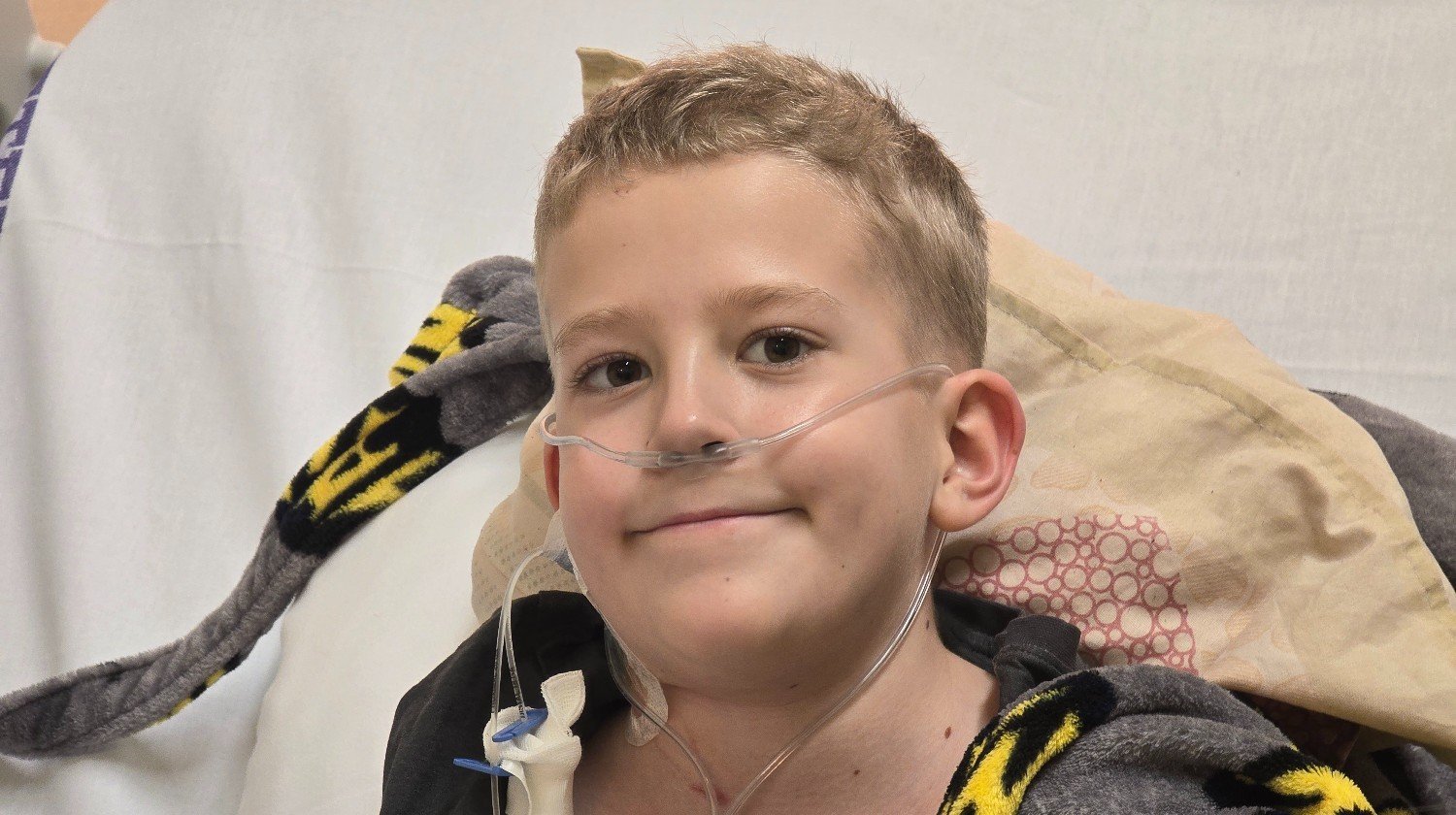
However, in January 2026, an illness struck Gáborka’s life that changed everything.
He was diagnosed with an extremely rare and aggressive malignant tumour: angiosarcoma. The tumour is located in his chest and heart, affecting the right atrium, which is why its treatment is particularly difficult, complex and risky.
Since then, Gáborka’s daily life has been dominated by medical examinations, chemotherapy, hospital treatments, heart ultrasounds, MRI scans, blood tests and difficult medical decisions.
Whilst she should still be enjoying her childhood, she is going through trials that would be difficult even for an adult to endure.
What is angiosarcoma?
Angiosarcoma is an extremely rare type of malignant tumour. It originates from the cells lining the inner walls of blood vessels, which is why it is also known as a vascular tumour. As blood vessels are found throughout the body, angiosarcoma can develop almost anywhere: in the skin, soft tissues, internal organs and, very rarely, even in the heart.
This disease belongs to the group of sarcomas. Sarcomas are not among the best-known types of cancer: they are not like, for example, lung, breast or bowel cancer. Sarcomas can originate in the body’s connective and supporting tissues, muscles, fatty tissue, blood vessels or other soft tissues.
Angiosarcoma is a particularly difficult disease because it is rare, aggressive and often hard to detect at an early stage. Its treatment usually requires collaboration across several specialist areas: paediatric oncologists, cardiologists, cardiac surgeons, radiologists, radiotherapy specialists and other experts work together to find the best course of action.
In children, angiosarcoma is extremely rare, even compared to cases in adults. As a result, there is little experience, few comparable cases and, in many instances, no single course of treatment that is clear-cut for everyone. Every decision must be made on the basis of the individual child’s condition, the location and extent of the tumour, and their response to treatment.
In Gáborka’s case, the condition presents an even more unusual and challenging situation, as the tumour is located in his chest and heart, affecting the right atrium. His treatment therefore consists not only of anti-tumour therapy but also requires ongoing cardiological and cardiac surgical assessment.
This is not simply a matter of removing a tumour. Doctors must assess whether the tumour can be treated whilst ensuring that the heart, the major blood vessels and the circulatory system remain safely functional. This is what makes Gáborka’s situation particularly complex, and why every possible form of professional and personal support is needed.
According to a 2021 case report on paediatric cardiac angiosarcoma, fewer than 10 paediatric cases had been described in the literature up to that point, which clearly illustrates just how extremely rare this condition is. (https://pubmed.ncbi.nlm.nih.gov/31725539/)
What is the current status of Gáborka’s recovery? (28 June 2026)
Gáborka was admitted to hospital on 12 January 2026. In the weeks that followed, he underwent numerous tests, procedures and difficult days before he was finally able to leave hospital on 9 February.
His first course of chemotherapy began on 27 January. Since then, he has undergone 14 treatment cycles, totalling 30 chemotherapy sessions. During this time, she underwent several operations and procedures, as well as CT, PET-CT, MRI and several cardiac MRI scans. Due to the treatments, blood tests and examinations, she has had to endure hundreds of needle pricks over the past few months.
The first major cardiac MRI scan took place on 5 May. At that time, we were still hopeful that by the second half of June we would have undergone major heart surgery, the aim of which would have been the complete removal of the tumour.
Unfortunately, the tumour is in an extremely difficult location: it is situated in his chest and heart, affecting the right atrium. Because of this, the cardiac surgeons and oncologists had to assess whether it could be removed whilst ensuring that Gáborka’s heart and circulation remained safely functional.
The decision was ultimately that surgery was not yet feasible at that stage. The doctors did not want to put Gáborka’s life at risk, so the chemotherapy treatment continued.
In June, we reached another turning point: we underwent another cardiac MRI scan. We are currently awaiting the doctors’ decision on whether the next step should be surgery, further chemotherapy, proton therapy or some other specialised treatment.
What gives us hope is that Gáborka has responded well to the treatments so far. The tumour has shrunk significantly, and throughout all this he has been enduring this trying period with incredible strength, patience and courage.
However, there is still a long way to go, and every next step depends on very serious medical decisions.
The size and progression of the tumour
Gáborka’s tumour was already extensive at the time of diagnosis. As it is located in his chest and heart, affecting the right atrium, determining its exact size is particularly difficult. Different scans – CT, PET-CT, MRI and cardiac MRI – show the tumour in different ways, so the measurements cannot always be compared with millimetre precision.
However, based on the scans, it is clear that the tumour was large initially and then shrank significantly as a result of treatment.
- 13 January 2026 – CT: 85 × 66 × 65 mm
- 4 February 2026 – PET-CT: 80 × 80 × 90 mm
- 23 March 2026 – MRI: 90 × 56 × 67 mm
- 5 May 2026 – cardiac MRI: 44 × 35 × 52 mm, approx. 54 ml volume
This reduction offered great hope, as it showed that Gáborka’s tumour was responding well to chemotherapy.
The difficulty, however, is that the remaining part of the tumour is still located in an extremely sensitive area: around the right atrium of the heart, close to major blood vessels. Therefore, it is not only the size of the tumour that matters, but also its exact location, the extent to which it affects the heart wall and vital blood vessels, and whether it can be safely removed.
Gáborka’s first 29 days in hospital
On the morning of Monday12 January 2026, we went to Bethesda Hospital for a pre-arranged blood test. At that point, we still thought that perhaps a vitamin deficiency, anaemia or some other simple cause might be behind the fact that Gáborka was occasionally more tired, listless and paler than usual.
However, immediately after the blood test, we were sent for an abdominal ultrasound. There, they saw that there was fluid around his lungs, and pneumonia was also suspected. However, a tumour-like lesion was also visible on the ultrasound, so he was referred for a cardiac ultrasound.
At the start of the cardiac ultrasound, they didn’t really understand why we’d been sent there on suspicion of pneumonia. Then, a few minutes later, there was a deafening silence. They brought in a wheelchair and said: ‘No more walking from here on.’ They found a large lesion around his heart.
By midday we were at the Semmelweis Children’s Clinic on Tűzoltó Street, in the oncology ward, where they began treating Gáborka straight away. There were loads of tests that day: ultrasounds, X-rays, blood tests. By the afternoon, we already knew the situation was serious, but no one could give us a precise diagnosis yet. A tissue sample was needed for that.
On 13 January, we were transferred by ambulance to the GOKVI Heart Clinic for a CT scan. After that, the date for the first biopsy was set for 14 January. We were prepared for the worst, as it was impossible to know exactly what might happen during the procedure.
On 14 January, the biopsy was no longer to be carried out at the Children’s Clinic, but at the GOKVI Children’s Heart Centre, where the heart-lung machine and the cardiac surgery team were on standby. The procedure itself was carried out by the head of paediatric oncology surgery at the Children’s Clinic on Tűzoltó Street.
Fortunately, the operation was a success. There was no unexpected bleeding, and Gáborka responded well to the anaesthesia. However, due to fluid build-up in her lungs, a drainage tube had to be inserted into the right side of her chest, through which a machine continuously drained the fluid. At that point, we did not yet know how long this tube would be needed.
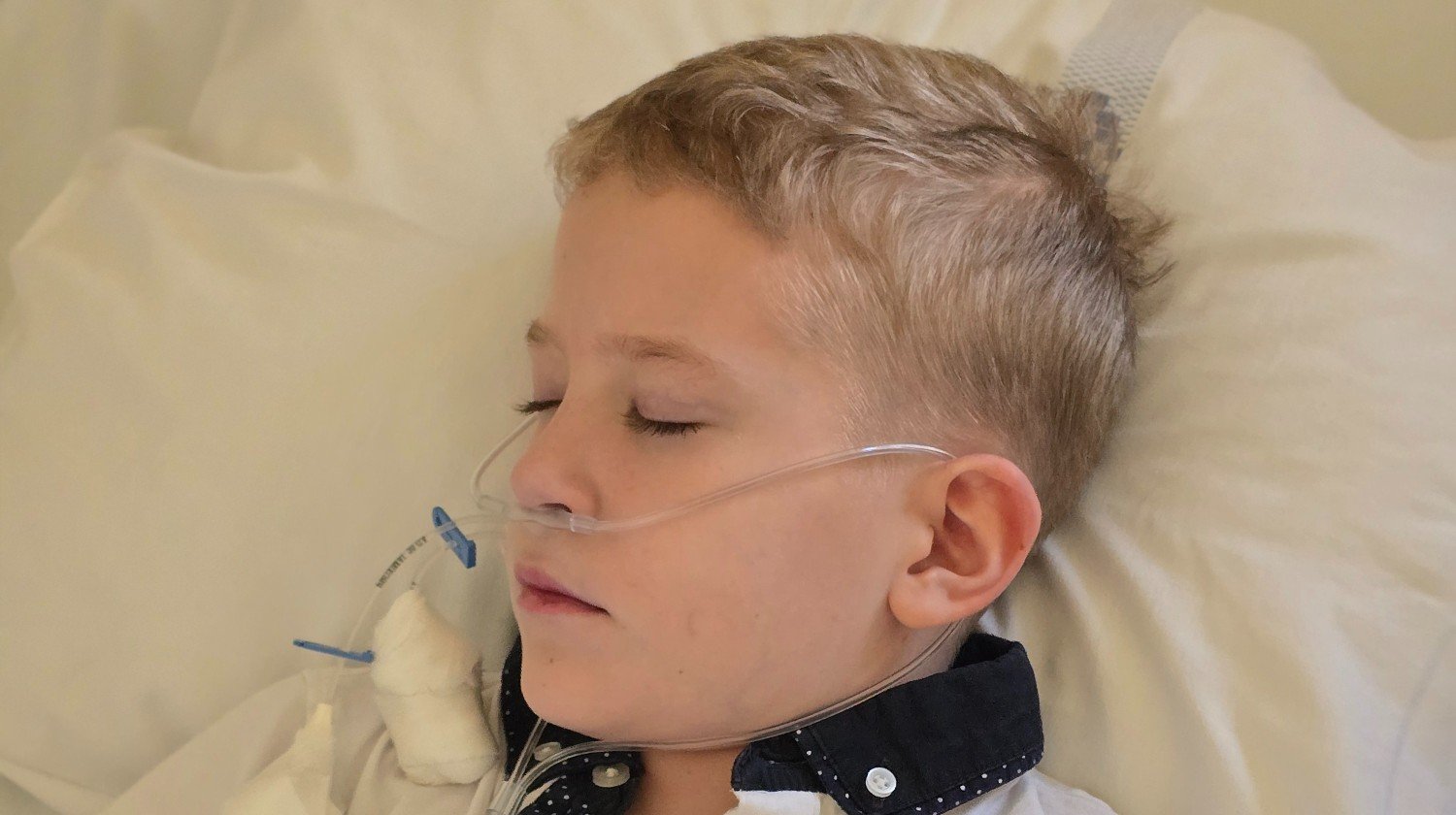
During the procedure, a central line was also inserted into his neck. His blood oxygen levels had deteriorated, so he required continuous respiratory support after the operation. Even with respiratory support, he was only able to maintain an oxygen saturation level of around 92. We were then transferred from the GOKVI intensive care unit to the intensive care unit at the Semmelweis Children’s Clinic.
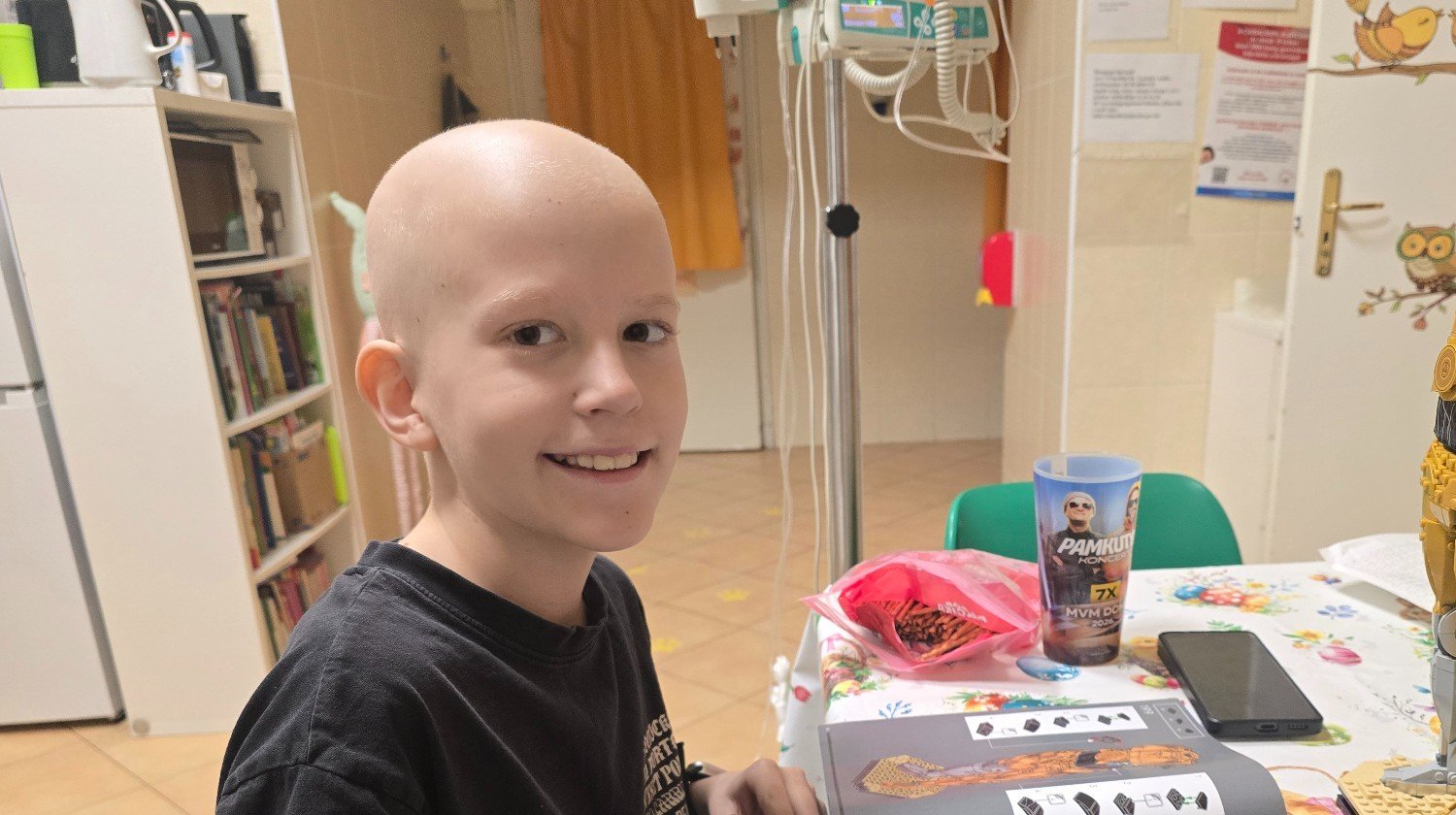
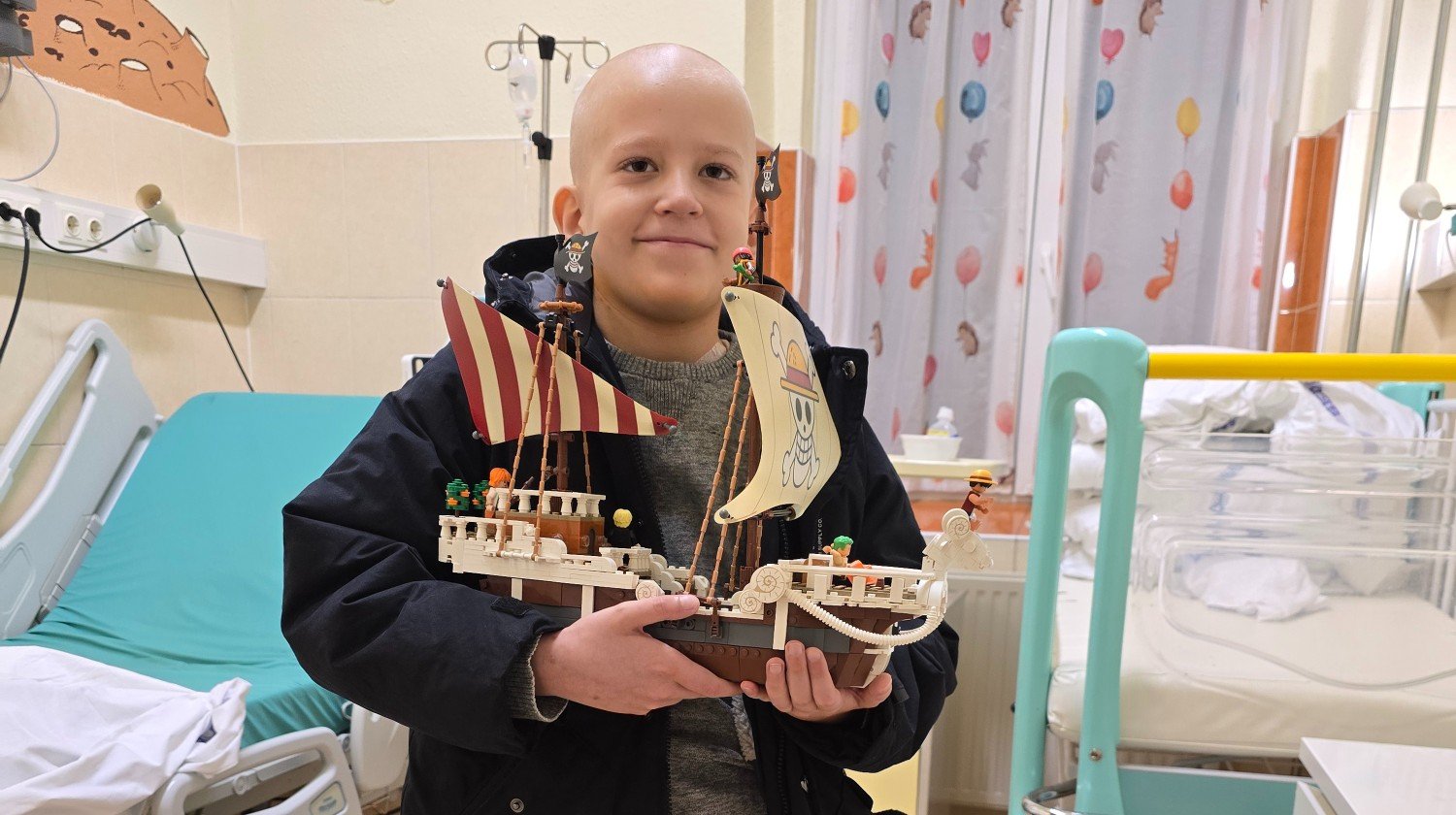
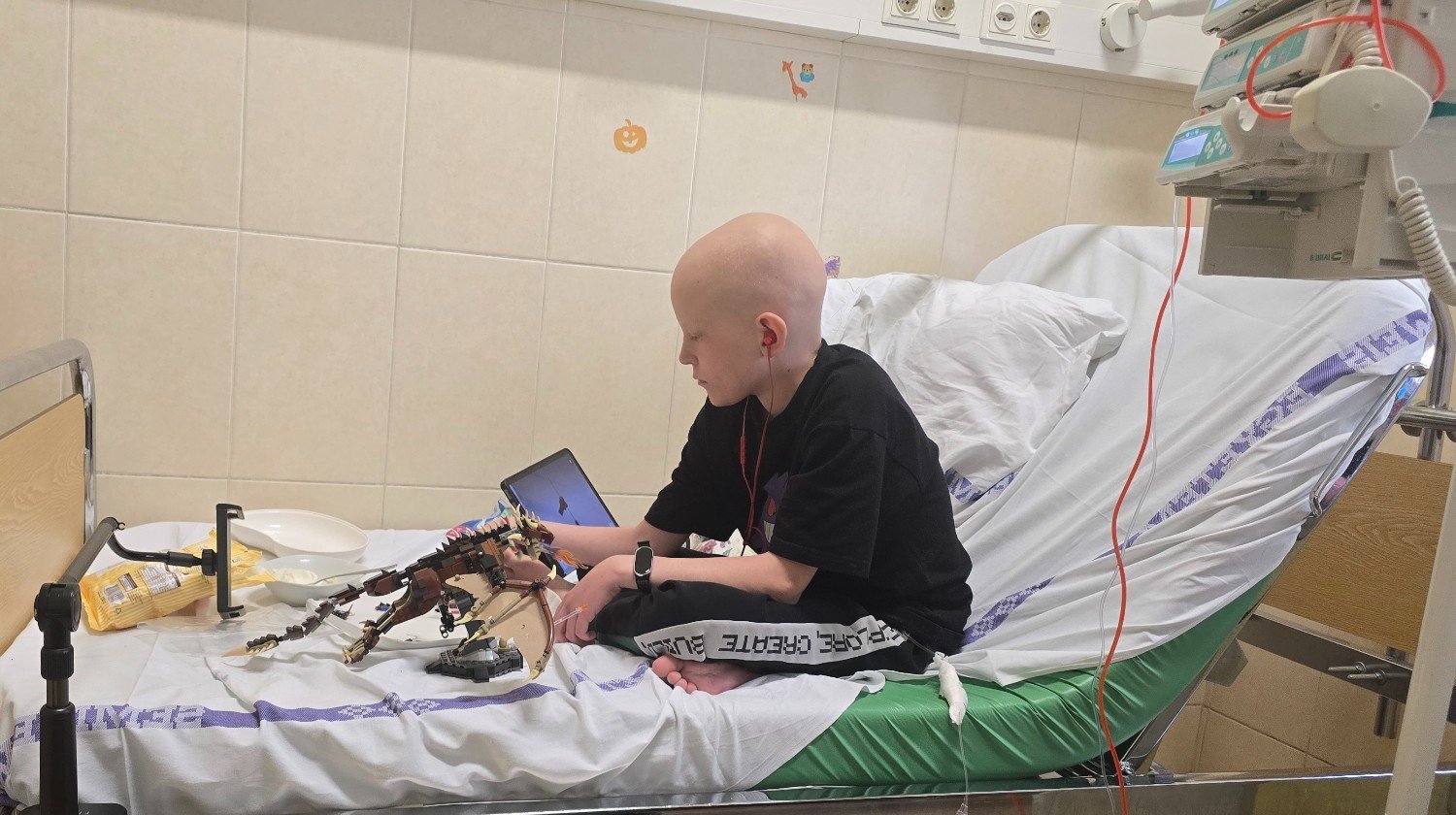
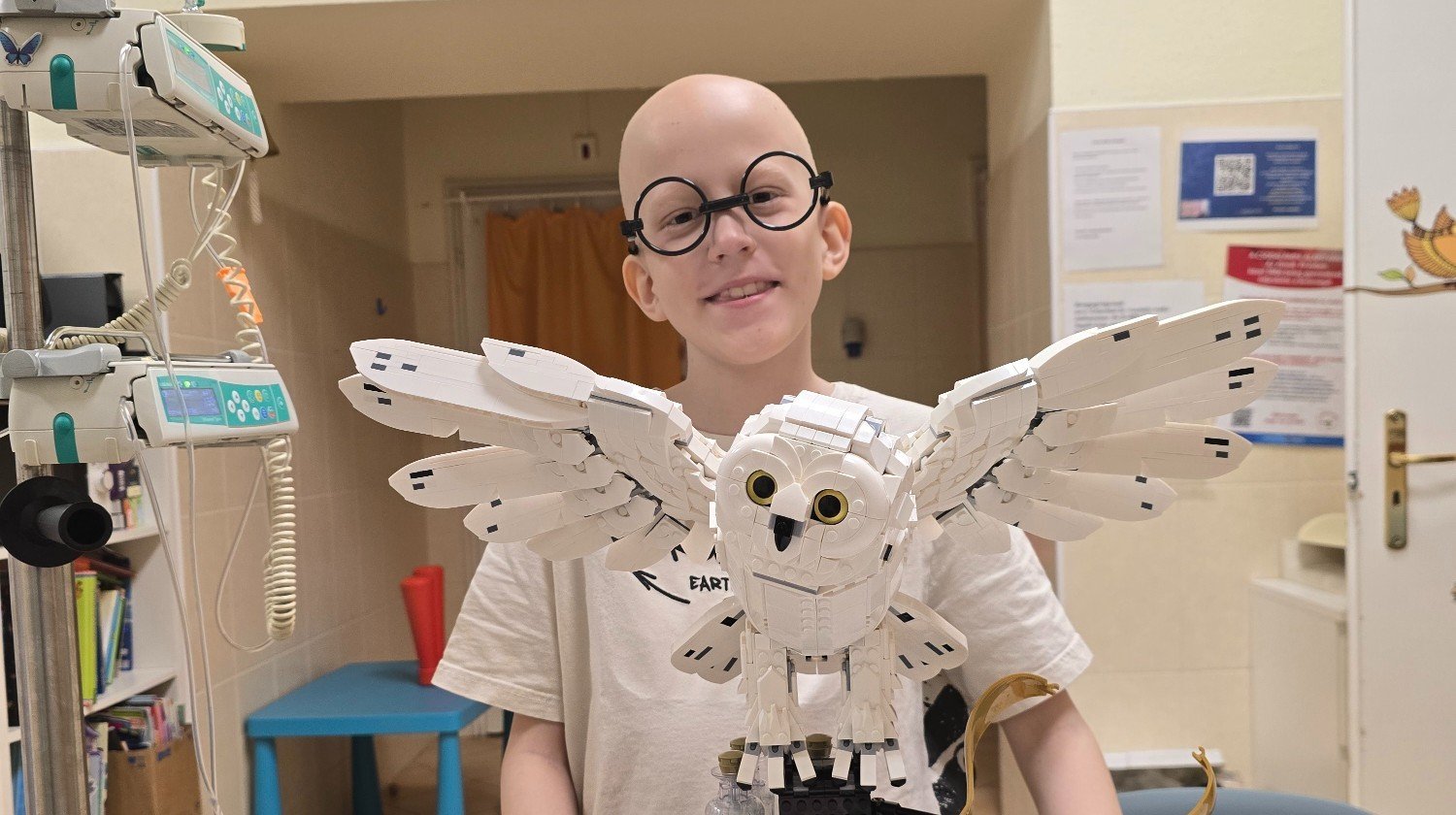
On 16 January, a few days later, we were transferred back to the oncology ward, where we were given a private room. At the time, we had no idea that this would be our home for almost a month. Gáborka began to recover well after the operation: he was already sitting up, walking, eating, drinking and playing. We mainly tried to keep him occupied with LEGO to take his mind off being in hospital for a while.
Meanwhile, the wait for the pathology results began. We still didn’t know exactly what kind of condition we were dealing with. We were hoping it was a benign tumour.
Over the next few days, there was some sort of test almost every day. On 20 January, following an X-ray, we learnt that there was hardly any fluid left on the right-hand side, where the drainage tube had been, but a small amount of fluid was also visible on the left-hand side.
On 21 January, we received the news that the histology results had not provided a definitive answer: the sample was insufficient. Meanwhile, an ultrasound scan also showed that the tumour had grown by approximately 1 centimetre. Another biopsy was required, this time involving a more extensive procedure. The chest was opened on the right-hand side so that the incision would be as far away from her heart as possible.
The second operation took placeon 22 January. The 2.5-hour procedure was successful. During the operation, the central line in her neck had to be removed due to a thrombus, and she was fitted with a new central line via her right arm. His respiratory support was also adjusted, and he was switched to HFNC (high-flow nasal cannula) ventilation.
On 23 January, we were informed that this sample was much better than the previous one. They had already seen signs suggesting a tumour originating from the vessel wall.
On 24 January, we were able to leave the intensive care unit and were transferred back to the oncology ward.
On 27 January, it emerged that fluid had also accumulated in the left side of his chest, so a drainage tube had to be inserted on the left side that very same day. From then on, the fluid in his chest was drained through tubes on both sides, connected to the same machine.
Whilst we were waiting in the intensive care unit during the procedure, the pathology results came back: angiosarcoma.
As we began to read up on this disease, we felt as though the rest of our world was collapsing too. This was followed by a discussion with the doctors, during which we had to talk not just about a tumour, but about an extremely rare and aggressive malignant disease.
Gáborka’s first course of chemotherapy began that very day. The first cycle consisted of three different types of chemotherapy, and over the course of 72 hours he received a total of five chemotherapy sessions.
Ideally, chemotherapy is administered via a port, but given Gáborka’s condition, the doctors did not want to subject him to further surgery, so treatment began via his existing central line.
As the days went by, Gáborka gradually grew stronger. He ate, drank, played and walked better and better. By 2 February, his breathing had also improved, so they were able to reduce his respiratory support.
On 3 February, we underwent the first major imaging scan, a PET-CT. A few days later, we learnt that the scan had not revealed any visible metastases. This was a huge relief at the time.
On 5 February, Gáborka was taken off the ventilator. His respiratory rate and blood oxygen levels had improved significantly, with his oxygen saturation remaining between 95 and 100.
On 6 February, both chest drains were removed. This was a huge milestone, as he was finally free from being hooked up to machines.
On 7 February, we were able to walk out of the hospital with him on his own two feet for the first time. Admittedly, it was only for a couple of hours, but it was one of his greatest joys since 12 January. That was when we first felt that perhaps we could breathe a little easier again.
On 8 February, however, another frightening situation arose. In the early hours of the morning, whilst he was asleep, Gáborka’s heart rate rose to between 170 and 190 and refused to come down for a long time. He didn’t feel a thing; he just wanted to sleep, whilst the monitor next to him blared a red alarm. This state lasted for about three hours, after which his heart rate returned to around 100 of its own accord.
Following the 24-hour ECG, medication was prescribed to stabilise his heart rate.
On 9 February, we were finally discharged from hospital. Admittedly, it was only for a short while, because from then on there were constant check-ups, tests and, almost every week, 24- or 72-hour courses of chemotherapy.
But on that day, for the first time since 12 January, we were able to leave the hospital.
How do the donations help Gáborka?
We use the donations to cover the costs associated with Gáborka’s recovery and care, including travel to and from treatments and tests, rehabilitation, medicines, alleviating the family’s day-to-day burdens, and ensuring that Gáborka can enjoy as many joyful experiences and carefree moments as possible, even whilst undergoing difficult treatments.
Update: The fundraising campaign has begun and we have already received several donations within the first few hours. We are deeply grateful for every donation, share and message of encouragement. Every bit of help gives Gáborka and our family immense strength on this long journey.
If you’d like to donate via this page, please note the following! By default, the system adds 20 per cent to the amount you intend to donate, which is transferred to support 4fund and deducted from your account. However, you can adjust this percentage to any value using a slider, even down to 0. Please make sure to check this during the donation process!
Reméljük minél hamarabb meggyógyul!