Original Hungarian text translated into English
Original Hungarian text translated into English
Description
Dear Friends, Acquaintances and Those Wishing to Help!
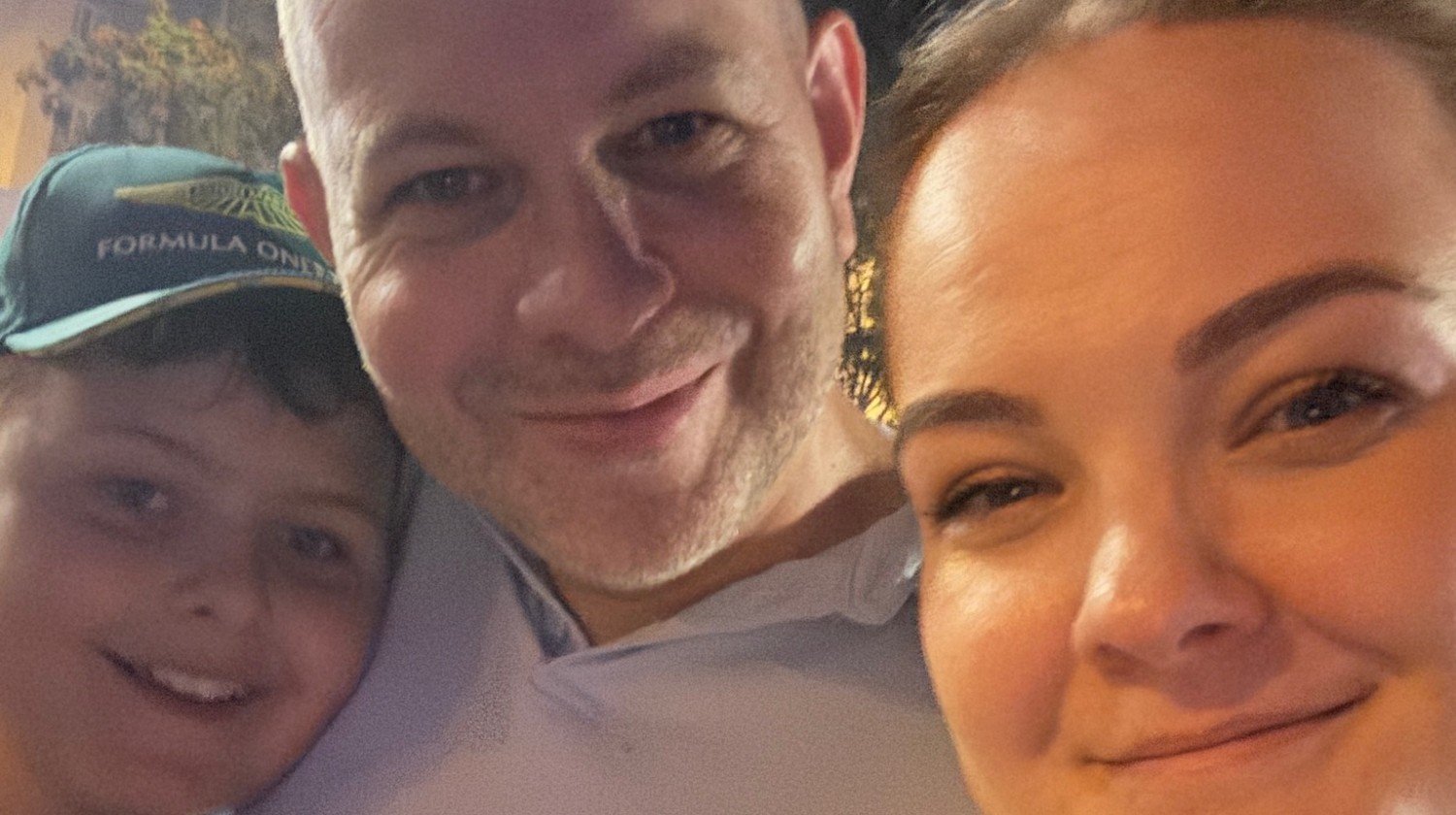
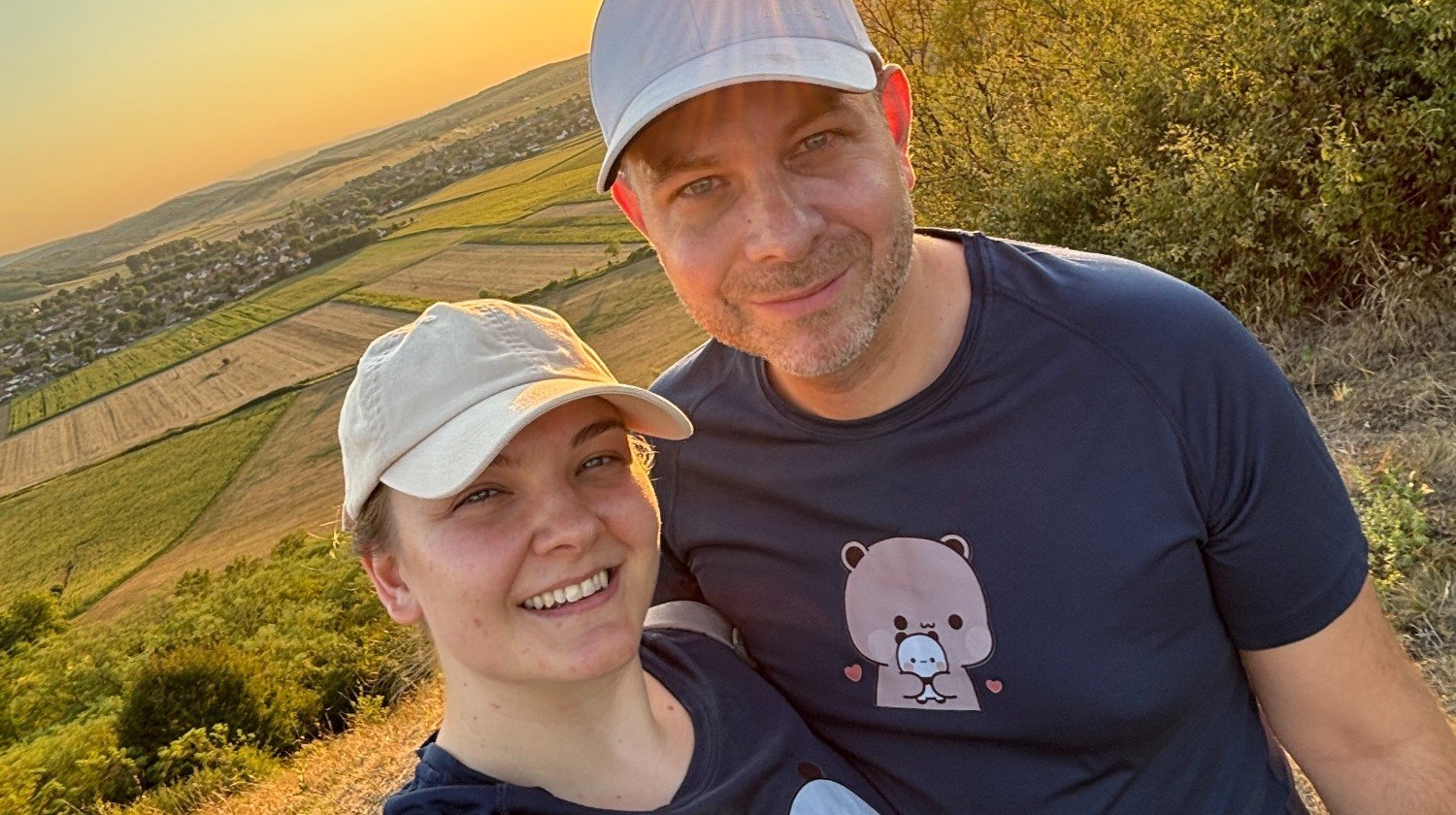
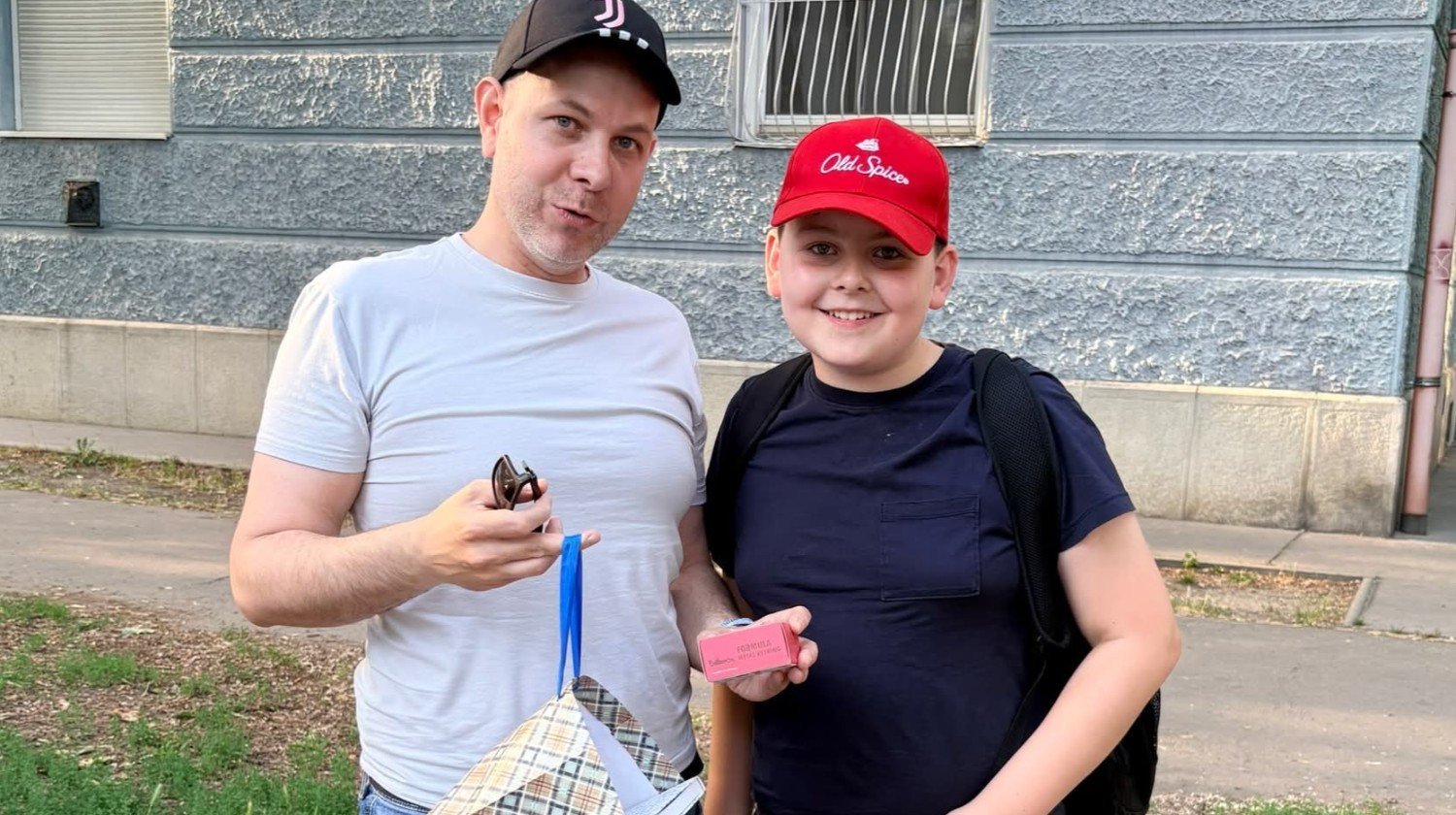
My name is Ditta Ocsovszki, and I am launching this fundraiser for my husband, Dani.
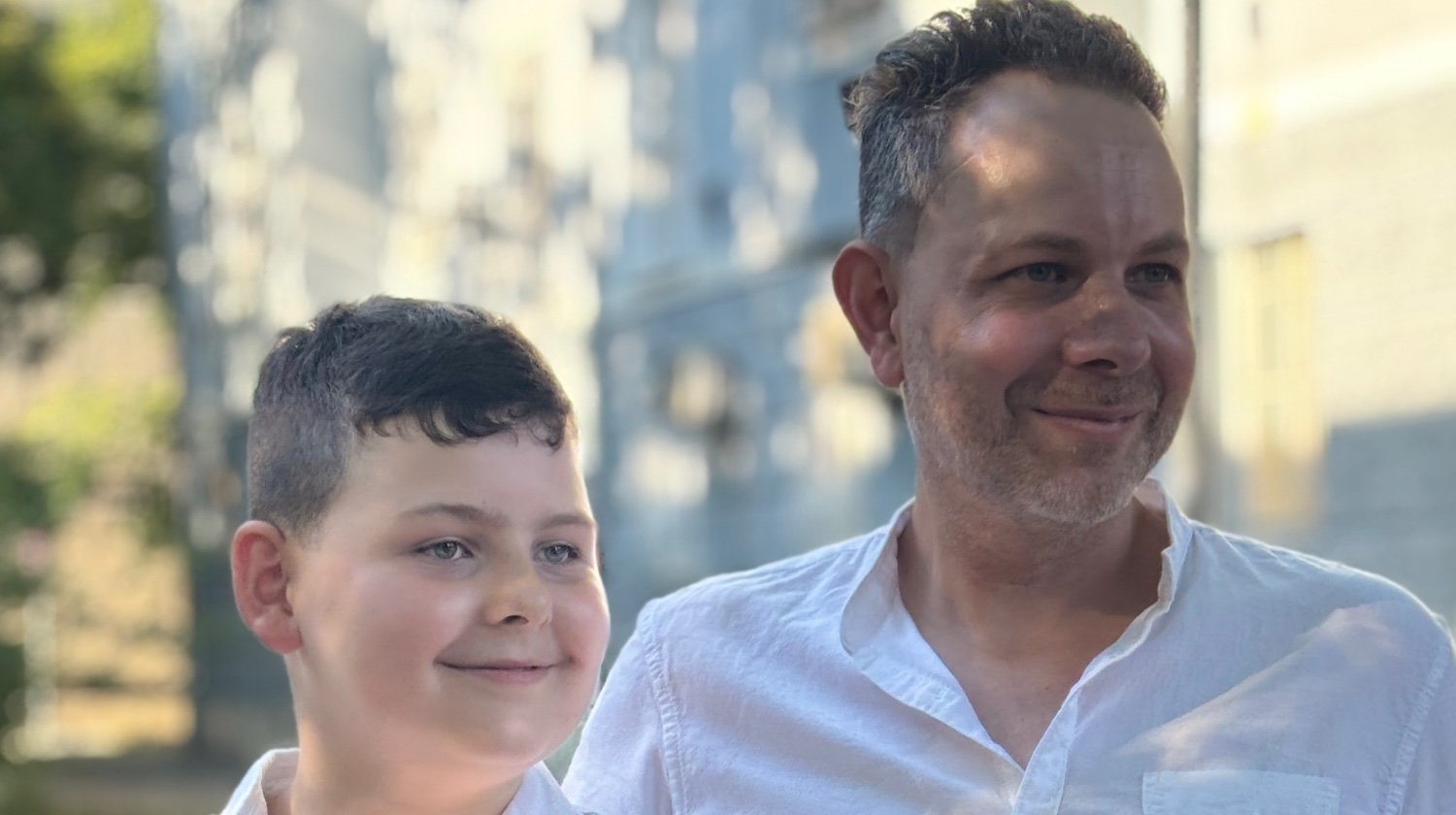
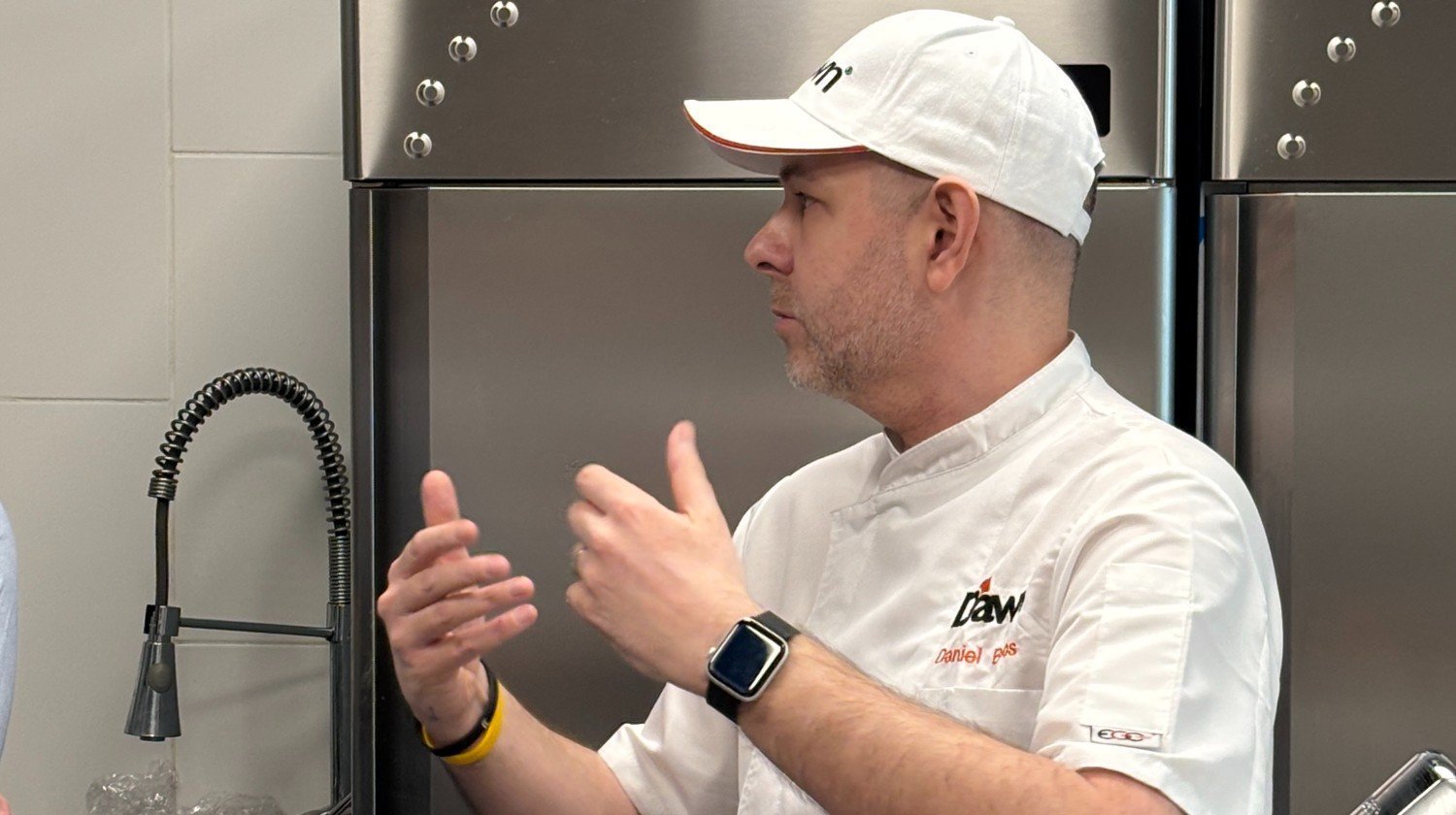
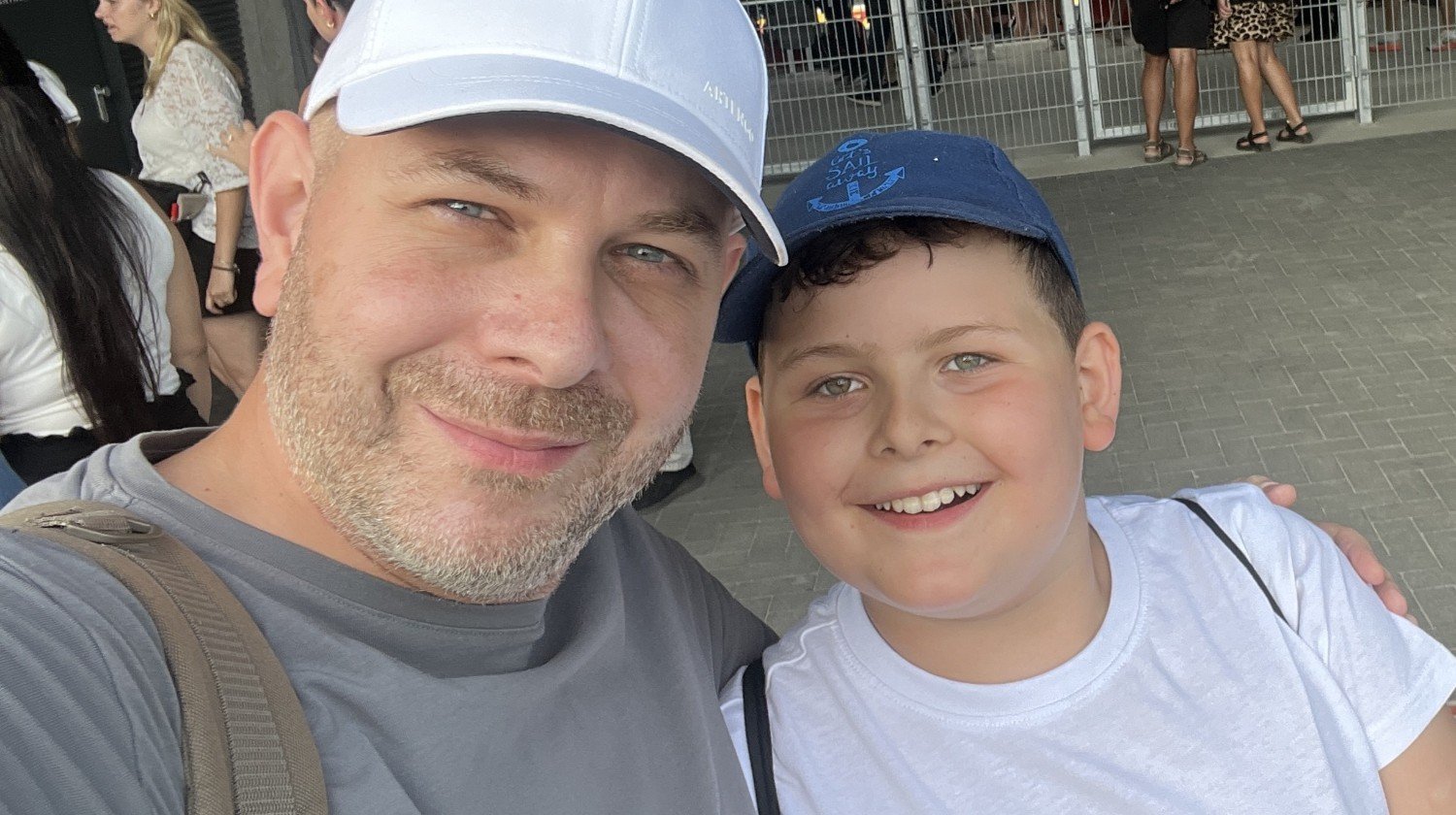
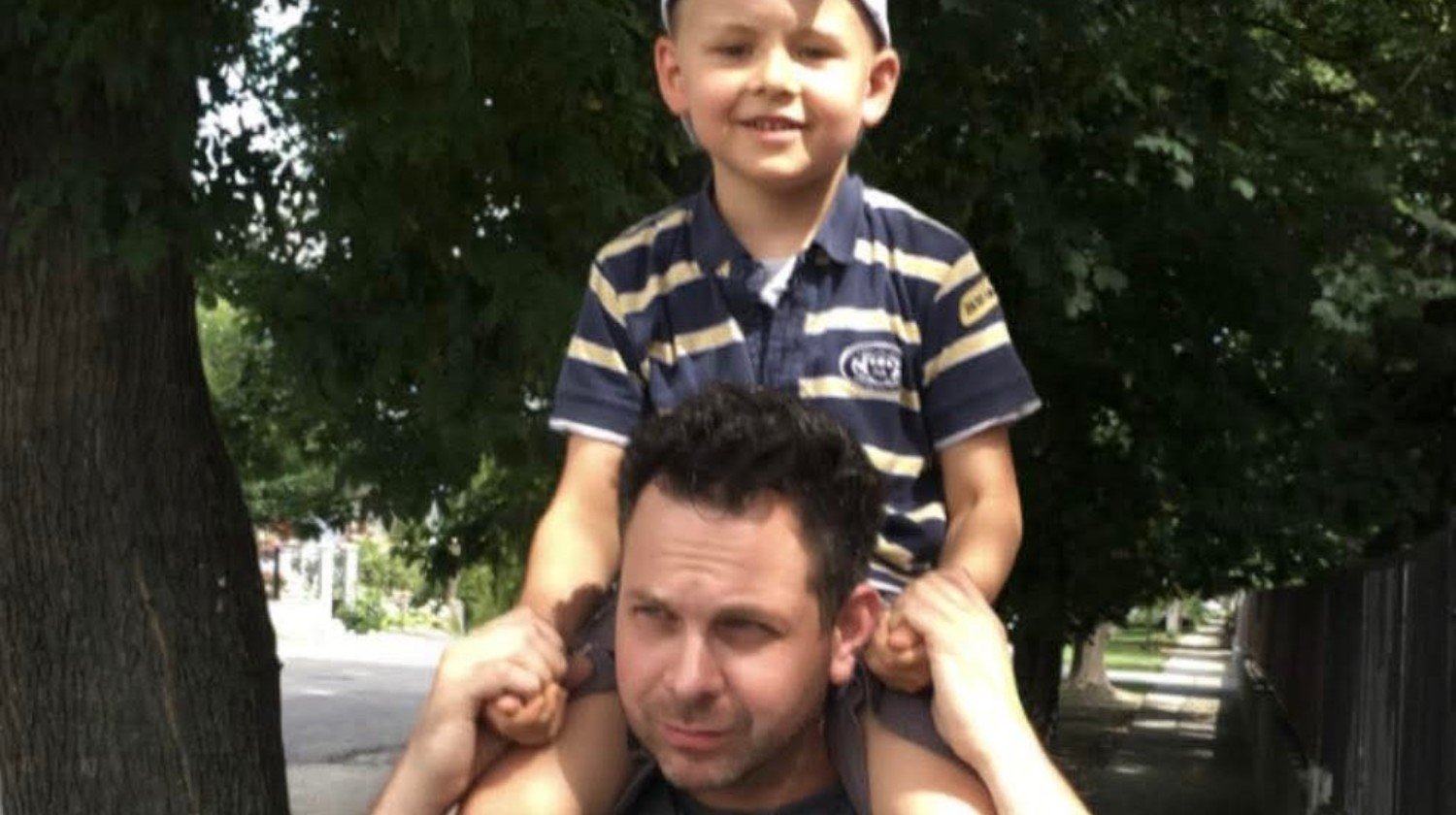
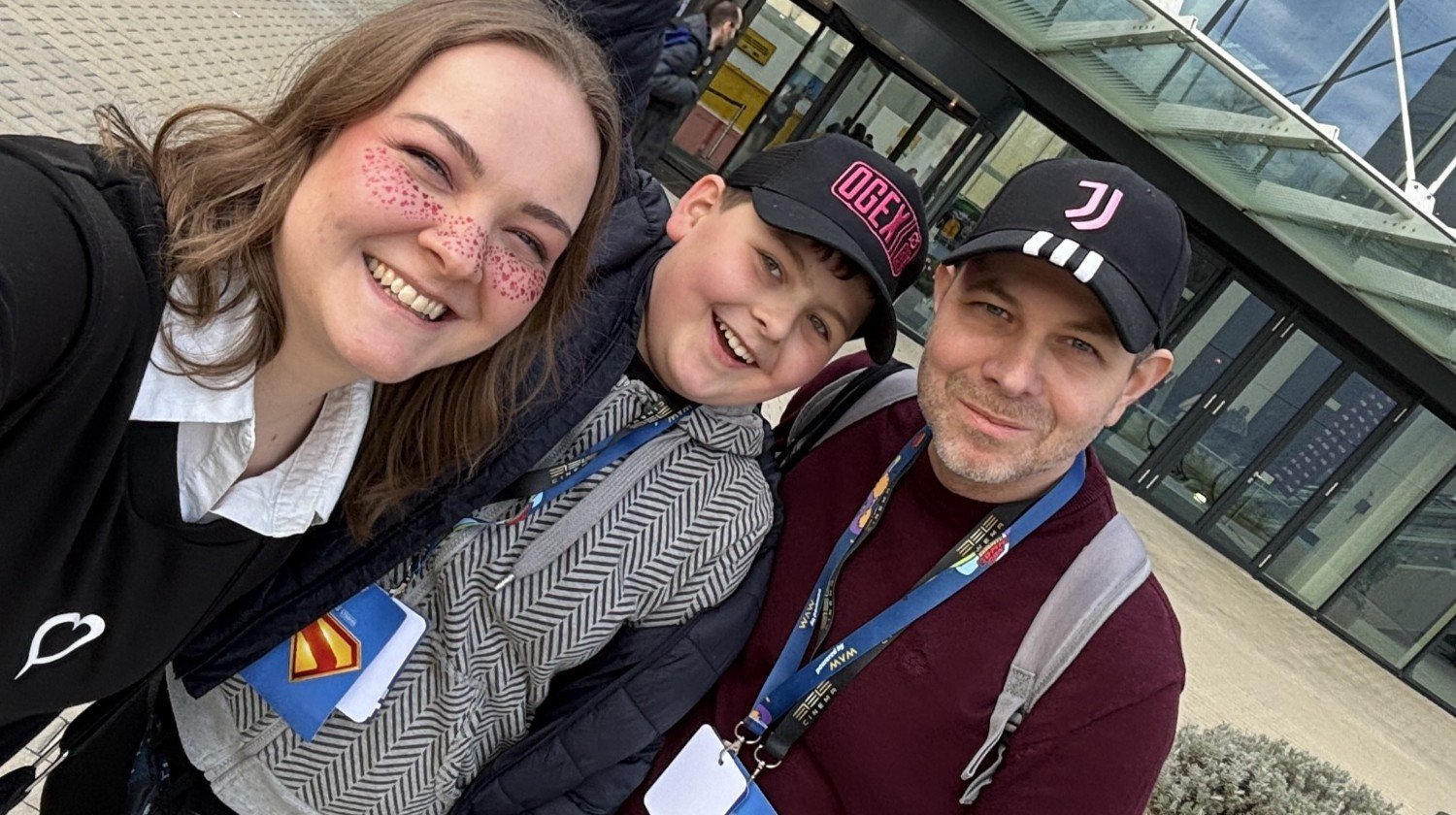
Dani is a 41-year-old father, a loving husband and a qualified confectioner and food engineer. He has always said that he has the best life in the world: he is surrounded by a loving family, his work is also his hobby, and he is full of plans, energy and zest for life.
Why are we urgently asking for help now?
In September 2025, Dani underwent surgery for a brain tumour. The operation was successful, and the visible tumour mass was removed. However, the histological results confirmed glioblastoma, an aggressive tumour capable of spreading within the brain tissue at a cellular level.
The surgery was followed by radiotherapy and chemotherapy. For a while, it seemed that everything was going well: Dani’s body coped well with the treatments, the surgical site healed nicely, and the MRI scan in February showed no signs of an active tumour.
However, in May 2026, a follow-up MRI scan revealed a new lesion in another part of the brain. As this had developed whilst he was undergoing chemotherapy, the TMZ treatment had to be stopped. Since then, Dani has been receiving intravenous bevacizumab treatment every two weeks.
We are now seeking your help to access a personalised immunotherapy treatment abroad. According to his treating doctor, this therapy can be administered alongside his current bevacizumab treatment.
Time is of the essence for us right now. Preparing for the immunotherapy and producing the personalised formulation takes several months, so we would like to start the process as soon as possible. We cannot allow a lack of financial resources to further delay the treatment.
We need €100,000 to cover the full treatment and associated costs, which we are unable to raise ourselves.
We are aware that immunotherapy does not guarantee a cure. For us, however, it may represent another chance: a chance to slow the progression of the disease, buy us some time, and ensure that Dani can remain with us, enjoying a good quality of life, for as long as possible.
That is why we are now asking for your help. Every donation counts, and every share brings us closer to Dani being able to start this treatment as soon as possible.
How can you donate?
The fundraising campaign is in euros, as we have to pay the clinic in euros for the treatment in Germany. Every contribution is a huge help to us. Even the price of a coffee or a chocolate bar means a lot, as we know that many small contributions really do add up.
Donations can be made via the fundraising page in a few simple steps. After entering the amount you wish to donate, you can select your preferred payment method and then confirm the transaction.
The payment system may take a little longer to load, or it may display an error message at first. If the little hourglass icon does not stop spinning, or the system shows an error, please close the window and then reopen the fundraising link. In this case, it’s worth trying to make the donation again. If you encounter any technical issues, please feel free to let us know.
Important: during the payment process, a section titled ‘Support for the 4fund.com team’ may appear. This does not go towards Dani’s treatment, but supports the fundraising platform itself. You can use the slider shown there to choose whether you’d like to make a separate contribution to support 4fund.com’s operations, and if so, how much.
If you’re unable to contribute financially at the moment, simply sharing the post can make a huge difference. We’re grateful for every donation, share, word of encouragement and show of support.
Thank you for helping to give Dani a chance! ❤
Below, we describe in detail how we’ve got to this point.
When everything changed
It all started with a persistent ringing in his left ear.
Dani had three consecutive ENT examinations. On the first two occasions, we were told that the symptoms were probably caused by stress. However, the symptom didn’t go away, so we continued to look for the cause. The third ENT specialist finally said:
“Right, let’s have a thorough examination.”
He referred Dani for a neurological examination and a cranial MRI.
It later transpired that the tinnitus was in fact unrelated to the tumour. Nevertheless, it was this symptom that triggered the series of investigations which ultimately revealed the disease.
A native cranial MRI performed on 29 July 2025, followed by a contrast-enhanced scan on 8 August, revealed a lesion on the right side, close to the temporal lobe. Based on the images, the doctors suspected a primary brain tumour, a glioma, which required a histological examination for a definitive diagnosis.
By 11 August, we were already sitting in the neurosurgery outpatient clinic. It was then that what we had considered unimaginable just a few weeks earlier became a reality: Dani needed brain surgery.
The operation
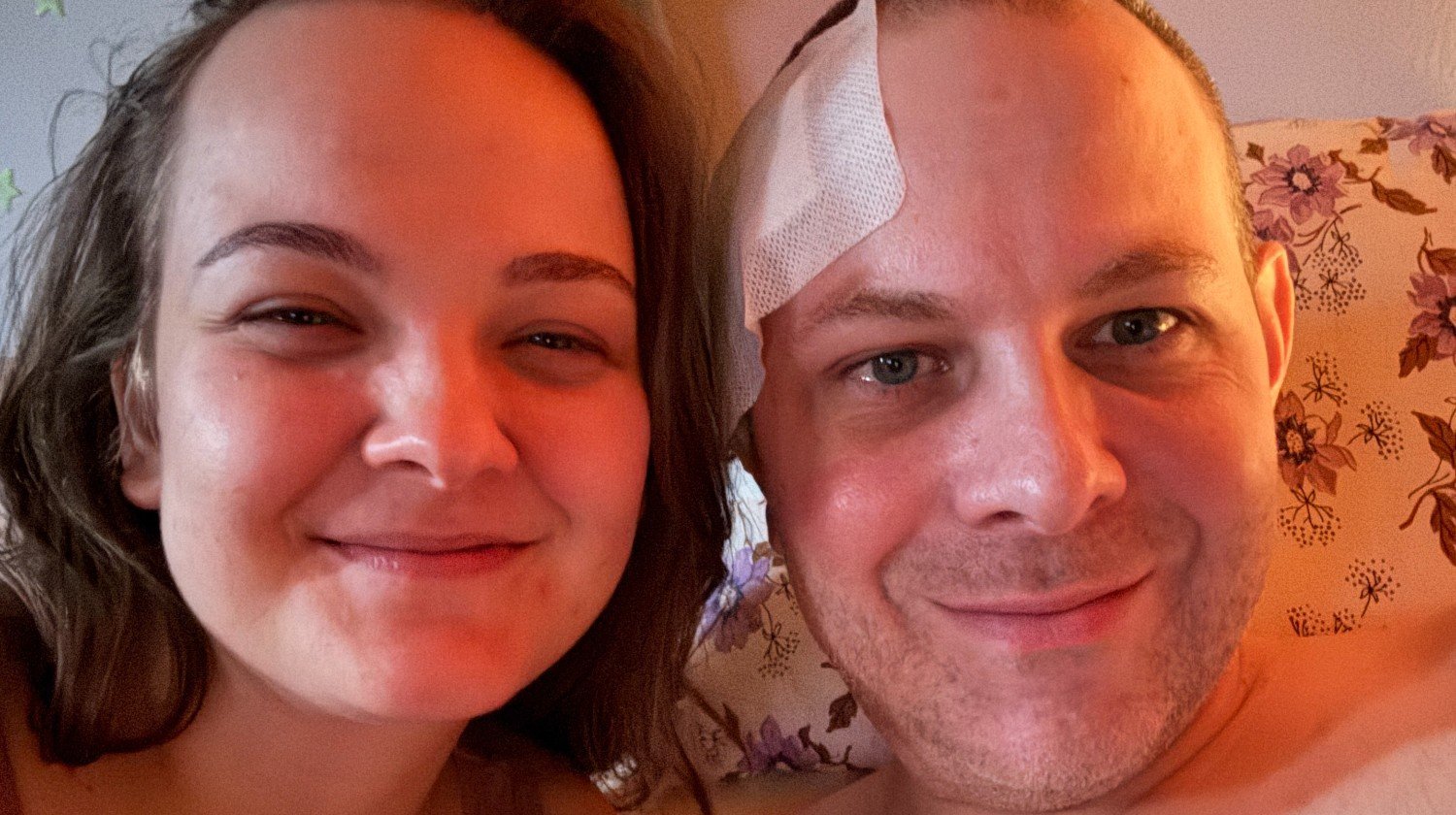
The operation was carried out on 5 September 2025. It lasted approximately 3 hours and was successful; the visible tumour mass was successfully removed during the procedure.
Surgery for brain tumours is particularly complex. It is not possible to remove healthy tissue from the brain with a wide safety margin, as every area may have an important neurological function. The neurosurgeon’s aim is therefore to remove as much tumour tissue as possible whilst preserving the patient’s abilities and quality of life.
Post-operative examinations confirmed that the visible tumour had been successfully removed, and Dani made a quick and full recovery.
However, the histopathological results confirmed glioblastoma. This is an aggressive tumour capable of spreading within the brain tissue at a cellular level.
Even after a successful operation, there may still be cells invisible to the naked eye and undetectable by imaging tests, from which the disease may later recur. For this reason, the operation had to be followed by further treatment.
Yet we remained hopeful. We were confident that the surgery and the subsequent treatments would enable us to halt the disease for a long time.
Radiotherapy and chemotherapy
On 20 October 2025, Dani began his radiotherapy at the National Institute of Oncology, the hospital known to most people in Hungary as the ‘Blue Ball’.
From that day onwards, we started every working day there.
A place whose very name had once filled us with dread… suddenly became part of our everyday lives.
Dani received radiotherapy every working day right up until 2 December 2025.
Alongside the radiotherapy, he also took a reduced dose of temozolomide, or TMZ. This is a chemotherapy drug taken in tablet form , which is often administered alongside radiotherapy in cases of glioblastoma.
On 2 December, we rang the Blue Ball bell.
The ringing of the bell signalled that Dani had finished his radiotherapy. After many long weeks, we felt that a difficult period had come to an end, and that perhaps we could finally look ahead again.
The next phase of treatment
On 29 December 2025, we returned to the clinic on Amerikai út to begin the next, higher-dose phase of temozolomide treatment.
Dani took the medication for five consecutive days, followed by a twenty-three-day break. Every twenty-eighth day, we met with his treating doctor, who prescribed the dose for the next cycle after checking his blood test results.
Fortunately, Dani’s body coped well with the chemotherapy. He was more tired on the five days of treatment, but was able to carry on with his daily life without any serious problems.
He worked, made plans, spent time with us, and we tried to live as normal a life as possible.
In February 2026, his consultant requested a contrast-enhanced MRI scan to assess his condition. The results were reassuring. The surgical site had healed well, and there were no signs of an active tumour or the development of new lesions.
We felt that everything was moving in the right direction. We continued with the chemotherapy, and slowly we began to dare to hope again.
The cold shower
This lasted until the first major MRI scan.
According to the scan carried out on 5 May 2026, the surgical site remained stable, with no signs of local recurrence.
However, the report contained a sentence that once again changed everything:
“A new contrast-enhancing lesion behind the fourth ventricle, consistent with tumour spread.”
The tumour had therefore not returned to the original site of the operation; however, a new lesion accumulating contrast agent had been found in another area of the brain. According to the radiological report, this indicated that the disease had spread further.
This marked the start of another round of phone calls, arranging appointments and days filled with waiting. We asked if we could see Dani’s attending doctor sooner, in light of the MRI results.
The doctor saw us on 11 May and explained the next steps. The TMZ treatment was stopped because the new lesion had developed whilst he was undergoing chemotherapy. This indicated that the treatment was no longer providing adequate control over the disease.
New treatment at the Blue Ball
On 18 May, we returned to the Blue Ball. At the first consultation, we were informed about the possible next course of treatment, which had been decided by the team of oncology specialists, the ‘oncoteam’.
On 22 May 2026, Dani received his first dose of bevacizumab.
Bevacizumab is a targeted biological medicine administered intravenously. It inhibits the action of a protein called VEGF, which plays an important role in the formation of new blood vessels.
Tumours also need new blood vessels to grow and to maintain their blood supply. The aim of the treatment is to curb this blood vessel formation and to reduce the cerebral oedema developing around the tumour and the associated symptoms.
Since then, Dani has been receiving the medicine as an infusion every two weeks, on Fridays.
Before each treatment, we meet with his doctor. They discuss how he is feeling, any symptoms or side effects he has experienced, and he shows them his blood pressure readings taken at home. One of the common side effects of bevacizumab is high blood pressure, so Dani has to measure his blood pressure twice a day, in the morning and in the evening.
After the consultation, we move on to the infusion unit, where he receives the medicine slowly via an intravenous drip.
Dani has also agreed to have a blood sample taken every three months for research purposes. There is currently no widely available blood-based markerfor brain tumours that can simply indicate the presence or progression of the disease. Dani hopes that his sample might also help to make it easier, through research, to detect and monitor brain tumours in the future.
Why immunotherapy?
Right at the start of the bevacizumab treatment, we asked Dani’s doctor what he thought about the possibility of immunotherapy in Germany.
According to the doctor, immunotherapy can be used alongside the current bevacizumab treatment.
It was then that we decided we wanted to explore every medically viable option and pursue every available avenue.
Immunotherapy is a collective term for biological treatments that help the body’s own immune system to recognise and attack cancer cells. Cancer cells are often able to hide from the immune system or create an environment around themselves that weakens the function of immune cells. The aim of immunotherapies is to reduce this defence mechanism and to elicit a more targeted anti-tumour immune response.
Several immunotherapy approaches are being investigated for brain tumours. These include therapeutic vaccines, dendritic cell therapies, drugs that inhibit the immune system’s suppressive mechanisms, procedures using modified immune cells, and oncolytic virus therapies.
A therapeutic vaccine is not a preventive vaccination. It is a treatment that aims to elicit an immune response against an existing tumour. In the case of a personalised vaccine-based approach, materials derived from the patient’s tumour, the tumour’s unique characteristics, or the patient’s own immune cells may be used. The aim is for the immune system to learn to recognise the characteristics specific to tumour cells.
In the dendritic cell approach, for example, the patient’s own immune cells are extracted from the blood and then prepared in the laboratory using tumour-associated substances. The therapy created in this way can then be reintroduced into the body on several occasions to elicit a targeted immune response. The exact process, method of administration and number of treatments always depend on the type of immunotherapy chosen and the clinic’s individual treatment plan.
In the case of glioblastoma, immunotherapy is a particularly complex field. Tumour cells can vary significantly from one another, and glioblastoma is capable of creating an environment that weakens the immune system’s response. For this reason, there is currently no immunotherapy method that is predictably effective in all patients. These treatments are the subject of ongoing research and development worldwide, and efforts are increasingly being made to apply them in a personalised manner.
Our aim and the planned course of treatment
We would like to give Dani the opportunity to take part in personalised immunotherapy treatment. A sample of tumour tissue removed during the operation, which is required to prepare for the treatment, is available, so we can send this, together with a blood sample, to the laboratory abroad.
The fundraising target is 100,000 EUR.
Of this:
- EUR 25,000 is required to launch the first phase,
- €70,000 is required for the production of the personalised preparation and the treatment,
- the remaining 5,000 EUR will be spent on travel, accommodation and related incidental costs.
According to the information currently available to us, the process is expected to consist of the following steps:
1. Sending the tissue sample and blood sample to the laboratory abroad
The laboratory will examine the samples received, after which, based on an analysis of the tumour’s genetic characteristics and the use of available genetic databases, work can begin on preparing the personalised peptide chain that will form the basis of the subsequent vaccine.
This requires payment of the first instalment of 25, 000 EUR. The process is expected to take approximately four weeks.
2. Production of the personalised formulation
Once the peptide chain has been successfully produced, the manufacture of the personalised therapeutic preparation can begin following payment of the next instalment of 70, 000 EUR.
This is expected to take approximately three to four months.
3. The first treatment session abroad
Once the preparation is ready, Dani will need to travel to Germany or, depending on which partner clinic is designated to carry out the treatment, to Lithuania.
The first phase of treatment is expected to take four to five days, during which the therapy will commence and medical monitoring will take place.
4. Further treatments and follow-up examinations
Subsequent treatment sessions are expected to take place every four to six weeks. For these, we will need to travel abroad again, typically for one day at a time. Alongside the treatments, Dani’s immune response and condition will be continuously monitored.
The expected duration of the entire process is approximately fifteen to sixteen months. During this time , Dani will also continue with the therapy prescribed by his doctors in Hungary.
The final treatment plan and exact schedule are currently being finalised. As soon as we receive the official documentation from the clinic, we will update the information on the campaign page.
We are aware that immunotherapy does not guarantee a cure. Nevertheless, for us it represents another opportunity: a chance to slow the progression of the disease, buy us some time, and ensure that Dani can remain with us for as long as possible whilst enjoying a good quality of life.
We are asking for your help now because we cannot cover the full cost of the treatment in Germany on our own.
Dani wants to live.
He wants to continue being a dad, a husband, a partner and a creative professional. He wants to work, travel, laugh and experience everything we’ve planned together.
Because we have plans.
We have so many plans.
Every bit of support brings us one step closer to Dani being able to start this treatment. Evena small donation, a share, or a forwarded message can make a huge difference.
We’d like to thank everyone from the bottom of our hearts who’s standing by us with a donation, a share, a word of encouragement or in any other way. ❤
Vita Dóra adománya
Hálásan köszönjük 💙
We wish you and your loved ones all the strength and hope needed for the journey ahead. May the treatment be successful, bringing brighter days to come. We hope that you and those closest to you can look forward to many years filled with good health, much love, and cherished moments together.
Thank you so much for your beautiful and heartfelt words. 💙 We truly hope the treatment will bring us many brighter years together. Your kindness and support mean more to us than we can say.
Can't begin to understand the rollercoaster of a journey this must have been for you so far. Hopefully in many years to come you be able to look back at this time in your lives as being a tough test, but one that you courageously smashed through.
Thank you so much for your kind words. 💙 We're holding on to that hope every single day. Thank you for standing with us.
Danni, I just want you to know I’m holding you in my thoughts. I’m wishing you strength, comfort, and more than anything, a miracle.
Thank you from the bottom of our hearts. 💙 Your support, thoughts, and wishes mean more to us than words can say.
💪💪💪
Thank you! 💙