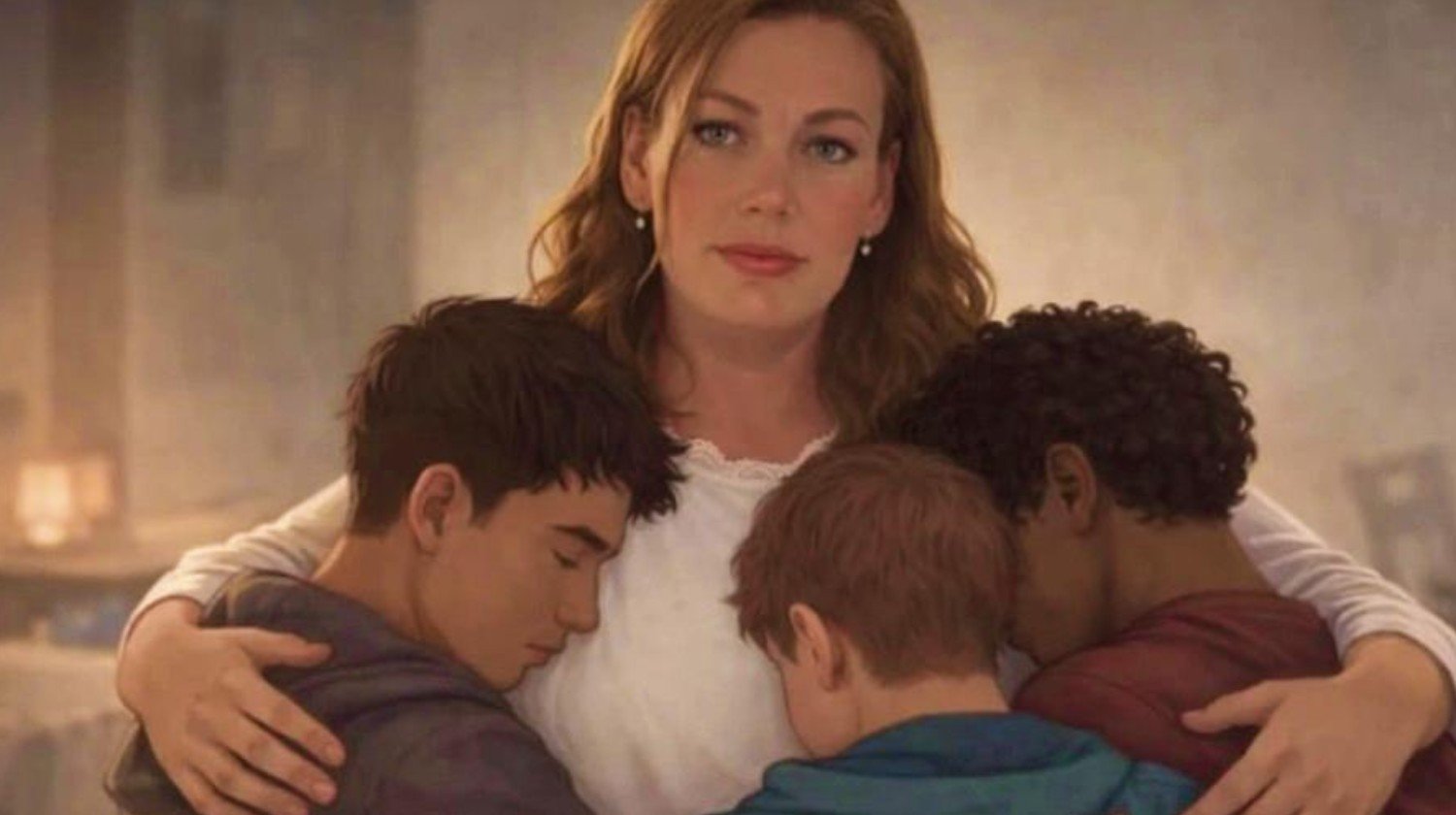
We are building a safety net for young people who have been left on their own
We are building a safety net for young people who have been left on their own
Original Hungarian text translated into English
Original Hungarian text translated into English
Updates3
-
💚 The story of our little Kung Fu Panda and the green hearts 💚
Ricsi is a young man in his twenties. That’s what we call him at the foundation: our little Kung Fu Panda. Not just because of his build, but also because it’s rare to meet someone so kind-hearted, quiet and lovable.
Yet Ricsi’s life began in very difficult circumstances.
Their mother abandoned them, and their father abused his children for years. To this day, Ricsi speaks with tears in his eyes about how much it pains him that he couldn’t protect his brother. And when his brother asked for help, he didn’t dare stand up for him. He was afraid.
Their father threatened that if they dared to speak out, they would be taken into state care. Even back then, Ricsi had seen at school how children in state care were treated. He saw the teasing, the stigmatisation, the contempt. He was terrified of that.
And yet that was the fate that befell him.
They were taken away from their family. There followed residential homes, foster parents, and one new place after another. And even though he grew into a tall, strong lad, somehow he always remained the victim. He suffered a great deal of abuse. There was even an incident of abuse in a children’s home, which led to criminal proceedings, and the perpetrator, a child welfare officer, eventually ended up behind bars.
Yet Ricsi managed to stay on his feet.
When, at the age of 18 – like so many young people in state care – he was effectively thrown out into the world without any support, he tried to find something to hold on to. He made clever use of his start-in-life grant, sought out friends, moved into a rented flat and started working.
And, little by little, he built a life for himself.
He got a good job. He works in an office. He has had several successes recently. He achieved all this entirely on his own, through his own efforts, without any support.
The saddest thing, however, is that in the end, he got into trouble through no fault of his own.
A few years ago, the father from whom Ricsi received almost nothing but slaps died. But there was no one by his side to tell him that an inheritance can be refused.
So the bailiffs caught up with him too.
They seized his bank account, started garnishing his wages, and by the end of the month he had so little money left that he couldn’t even pay his rent. He could have ended up on the streets from one day to the next.
That’s when he found us.
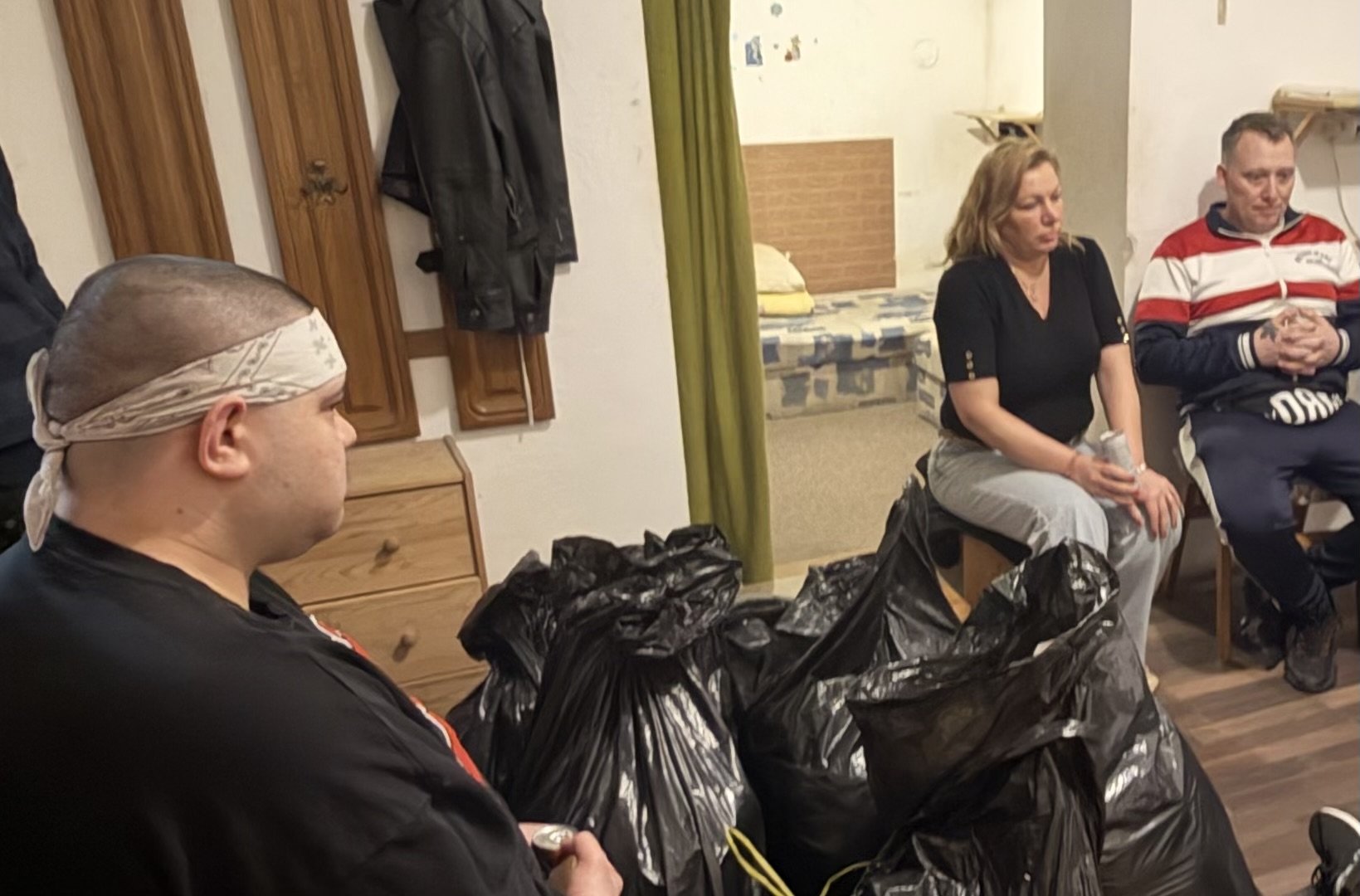
And do you know what’s most remarkable about Ricsi?
That even after all this, he hasn’t lost heart.
Here, he’s the one everyone just calls ‘the good lad’. We always pair him with the new arrivals because he patiently helps them. He teaches them how to shop, manage their money, cook together and organise their daily lives. He’s like a big brother to those who may be experiencing a real home for the first time in their lives.
And whilst the system is still trying to catch up with her, she always says the same thing:
having received help herself, she wants to give something back to others.
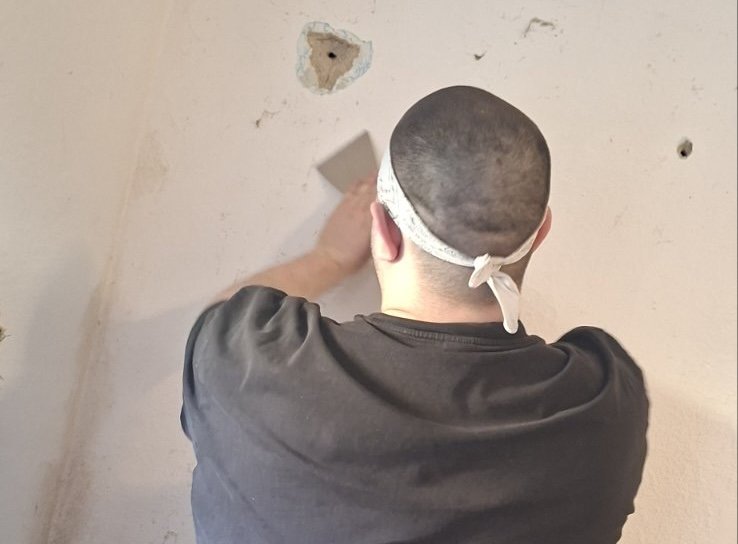
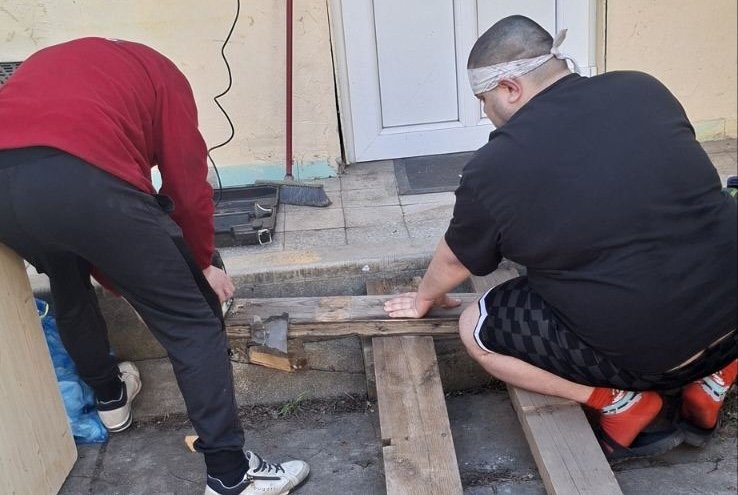
Here you can see her helping to make the Lőrinc start-up house more comfortable.
We recently celebrated his 26th birthday. 💚
Ricsi always sends me messages with little green hearts, so I made him a cake decorated with little green hearts.
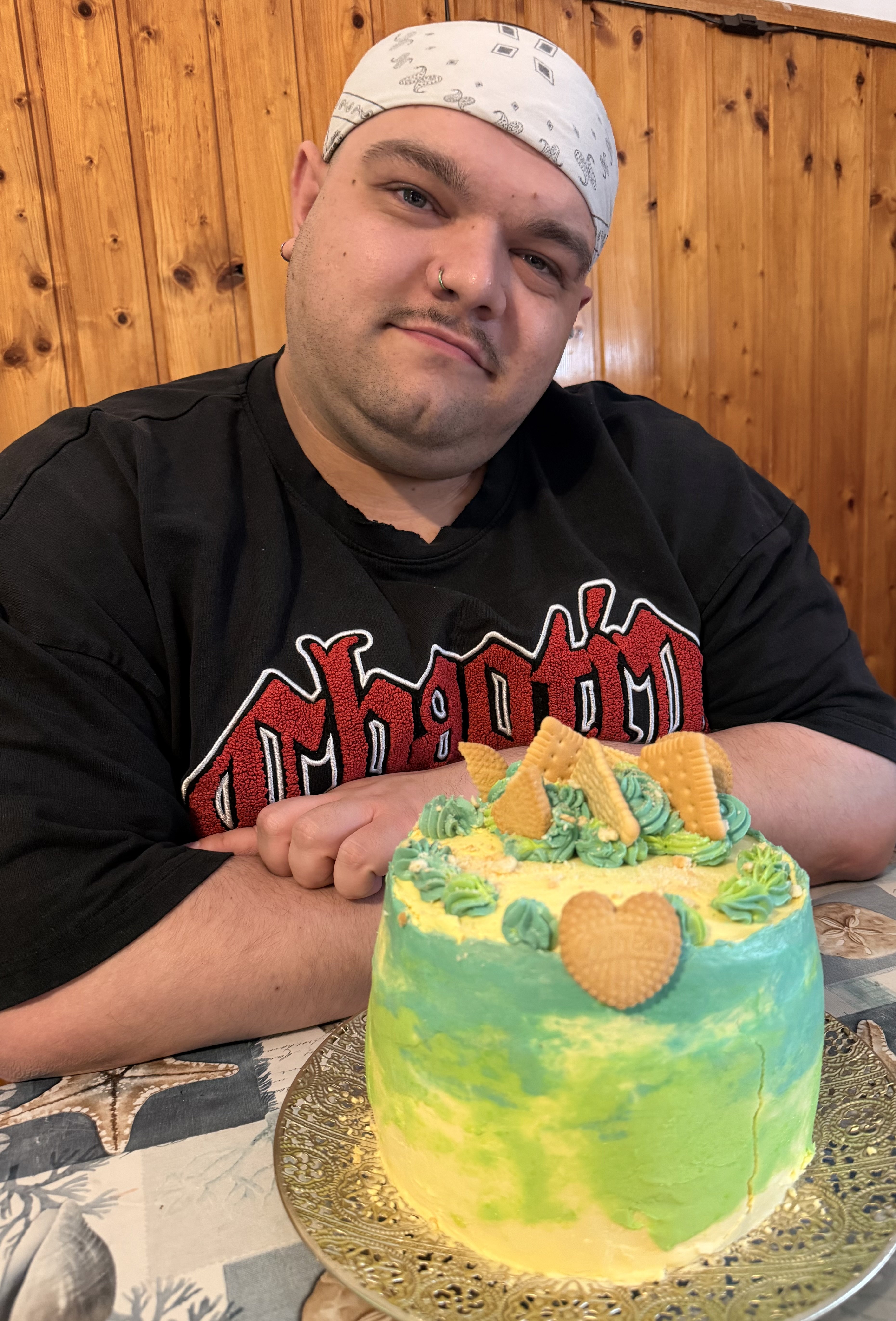 It might seem like a small thing.
But for someone who has received so little love in his whole life, sometimes even a cake means:
“you matter.”
And Ricsi is important. 💚
0CommentsNo comments yet, be first to comment!

Add updates and keep supporters informed about the progress of the campaign.
This will increase the credibility of your fundraiser and donor engagement.
Description
A year ago, I had a dream.
That even those young people who have fallen through every safety net should have a chance in life. Those who, at the age of 18, find themselves on the streets without papers, without a family, without anyone to turn to. Who don’t know where they’ll spend the night. Who don’t know how to sort out official business. Who don’t know how to manage their money. Who don’t know how to live safely and within the system.
It was for this purpose that I founded the You Are Not Alone With Us Foundation.
Over the past year, we have set up starter homes for them. We have arranged mentors for them, helped them find work, supported training courses, provided social and emotional support, and shown them how to rebuild a sense of order from a life in tatters.
Hungarian society has recently demonstrated that the issue of child protection is important to it; the fate of those in state care is one of the most difficult aspects of this, a task that no single system has managed to tackle particularly well. These days, more and more people are taking action for a young person, for a difficult fate, for a human story. But it is not always enough for one person to take on so much at once, especially if we want to achieve systemic change.
We are now asking the community not just to stand by a single story, but also to stand by a working model. A model that does not merely seek to manage momentary crises, but to rebuild people’s lives.
Because child protection cannot end when a young person turns eighteen.
Real life often only really begins then.
And we see that if, alongside these young people, there are adults they dare to trust, who take them by the hand, and teach them even the simplest things — how to manage their money, how to sort out their affairs, how to keep their surroundings tidy, how to structure a daily routine, how to hold their own in a workplace — then they are indeed capable of starting a new life.
Many of you are probably thinking that this is what aftercare services are for. That is true, but there are very few places for men, admissions are only after a transitional period, and there are very few professionals who are still enthusiastic and empathetic. There are some, but far too few.
The first residents moved into our rented houses in December.
There are now 19 of them. Most of them are working and studying. Some have been promoted at work. Some are already on their second course. Some are raising their own children in stable circumstances. Some have set out on a path that everyone previously said was impossible, and now they are working, creating and becoming increasingly independent.
Among our “children” are victims of serious crimes, young people scarred by the child protection system, and those affected by the Bicske and Szőlő Street cases. Many are parents themselves now.
We consider their anonymity and human dignity to be of the utmost importance. We do not use them as advertising figures. We do not put them on display. The public only gets to know those who choose to do so by name and face.
We have now reached a turning point.
The foundation is currently being reorganised. Whilst we have six active homes and 19 residents, whose lives and stability are our top priority, our paths have diverged from the previous three-member board of trustees, and the process of establishing a new board has begun. However, to take on such a responsibility, we must be certain that the organisation can sustain and operate the tasks it has undertaken and those currently in progress.
In the coming weeks, we would like to see honestly whether there is sufficient public support for this work to build upon with confidence in the long term.
That is why we are now launching a community campaign.
Not because we think we can help everyone.
But because we believe that as many people as possible can be given a real chance at a better life.
And because we believe that together we can build a real future.
We are about to turn one. The door is now opening, beyond which lie funding opportunities, public benefit status and, soon, the possibility of accepting 1% donations. But it is social solidarity that can take this initiative that far.
Over the next two weeks, we would like to see whether you think what we are doing is worthwhile and whether there is enough support for what we have undertaken to build on it in the long term.