Original Hungarian text translated into English
Original Hungarian text translated into English
Description
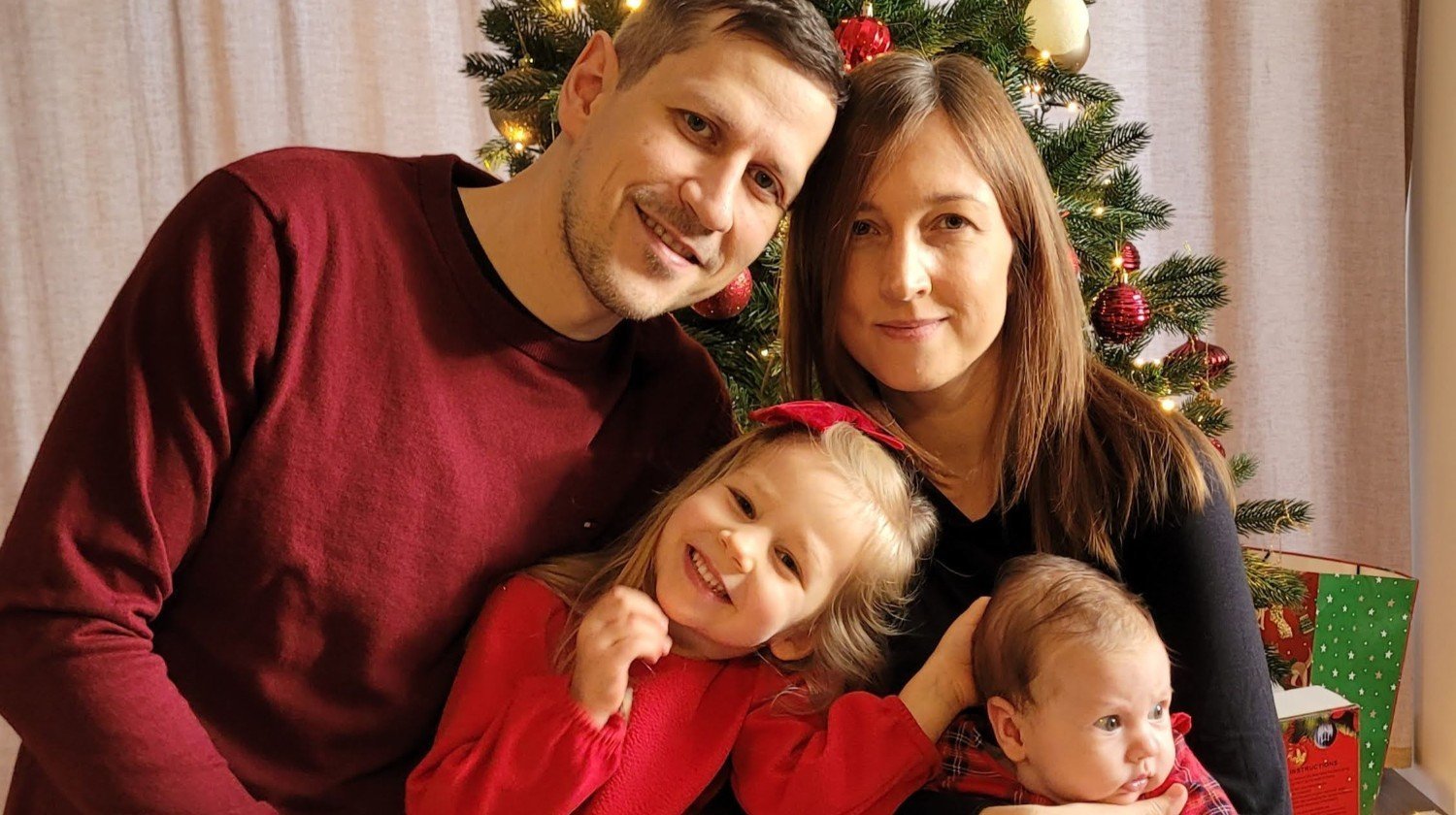
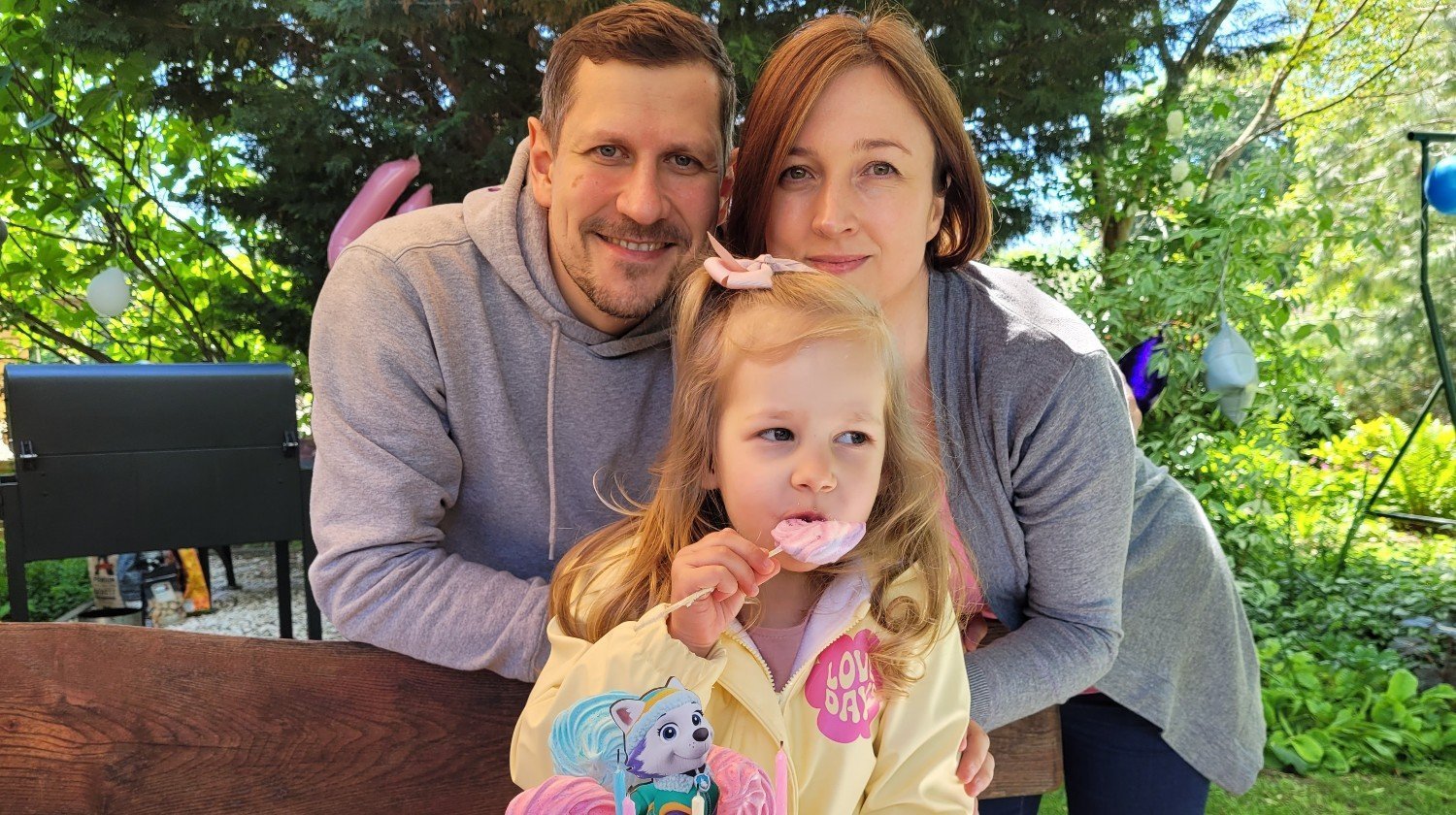
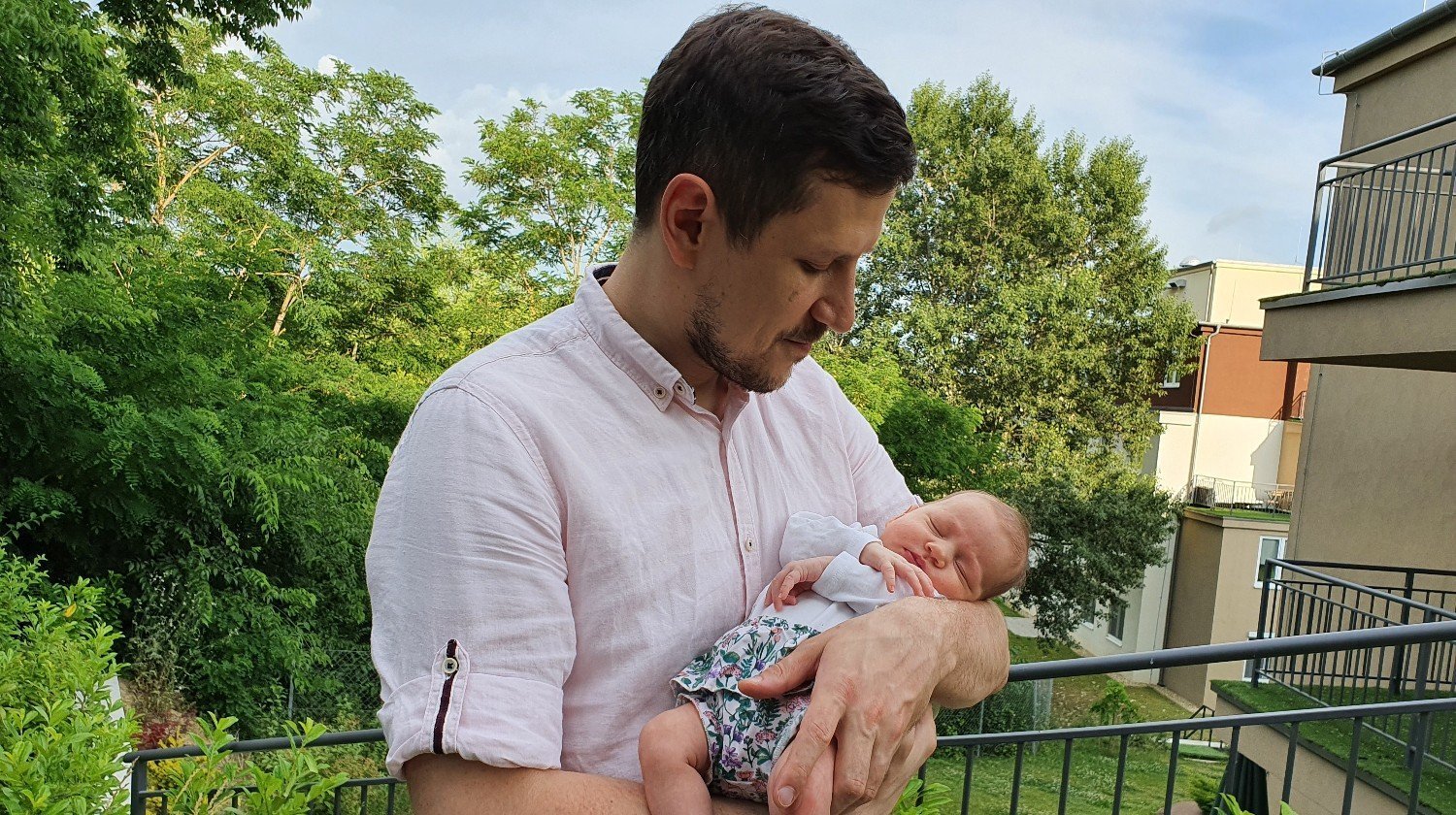
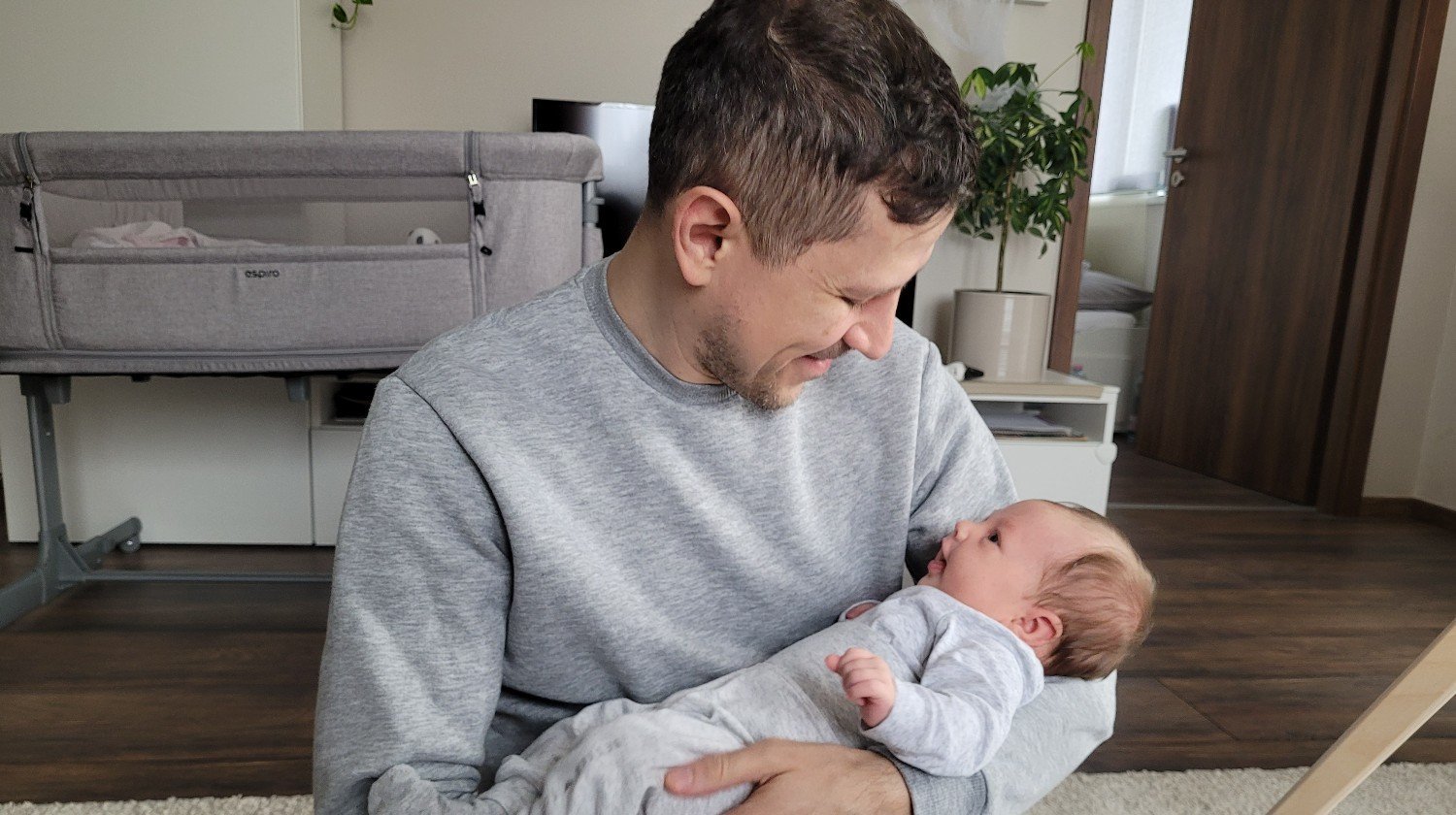
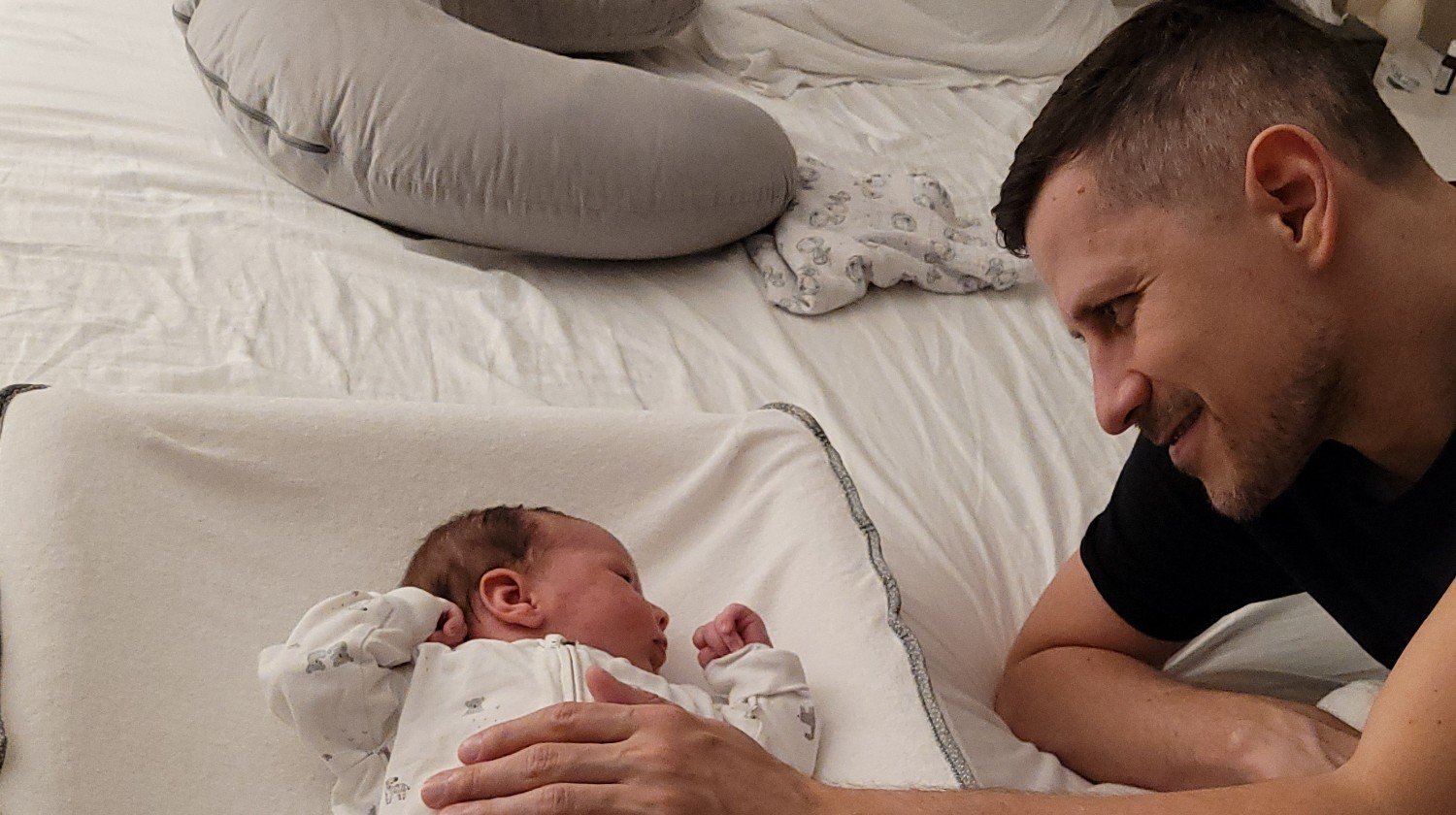
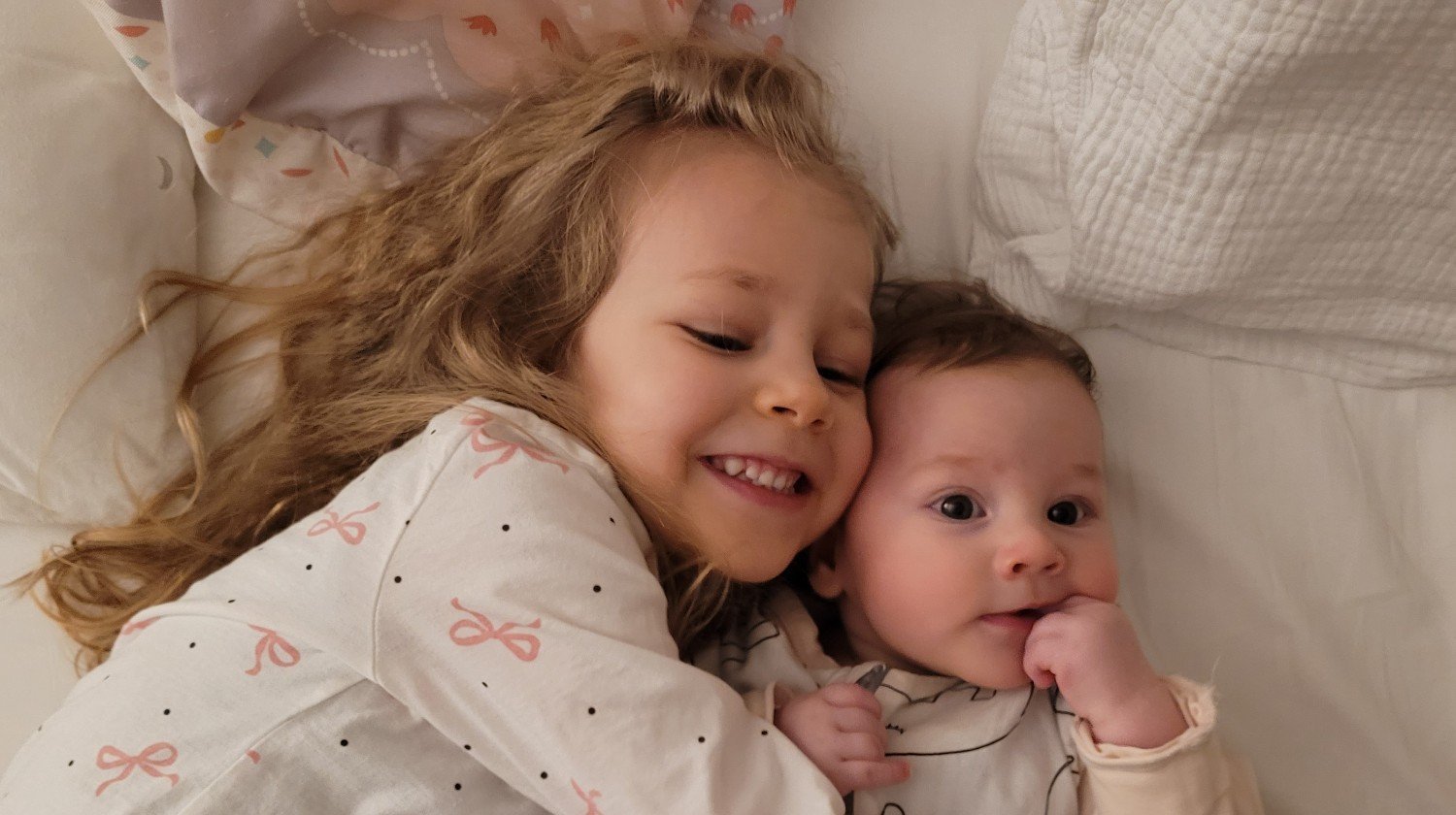
I am 38 years old, I live in Vác, I am the father of two little girls (aged 4 and 5 months) and I am responsible for supply chain data analysis at an international company.
Over the past six months, there have been significant changes in my life and that of my family. It all began with an epileptic seizure – at the time, we thought it might be a consequence of a previous stroke. However, it later transpired that the seizure had been caused by a brain tumour.
Following a successful operation in January, we received the histological results in February, which confirmed that the tumour was a glioblastoma (WHO grade 4) – one of the most aggressive types of brain tumour, generally associated with very poor survival rates.
In addition to conventional treatments (radiotherapy and chemotherapy), there is also a so-called complementary immunotherapy treatment, which has shown encouraging results in the treatment of glioblastoma in several cases. This method is currently still in the experimental phase and is only available at a few clinics abroad – including in Germany and Lithuania. The treatment is extremely expensive and is not covered by health insurance: together with travel and other associated costs, it amounts to nearly €90,000, and this is where I would like to ask for help*.
*If you decide to donate, you can specify in the ‘Support the 4fund.com team’ section whether you would like to support the platform itself. By default, the slider is set to 20%; you can adjust this by dragging it left or right. It is important to note that this amount does not go to me, but is used to support the company that develops the platform.
My story in detail
Epilepsy and stroke
On 18 August 2025, we were just setting off for Budapest for my antenatal appointment when I suddenly experienced a loss of sensation and numbness in my left hand. We called an ambulance straight away, and I was taken to Honvéd Hospital, where I suffered an epileptic seizure accompanied by loss of consciousness whilst being examined.
Afterwards, I was transferred back to Vác, where a more extensive investigation began. Based on the MRI scan, they suspected a stroke as well as epilepsy. I underwent several cardiovascular tests, but they all came back negative, whilst the epileptic seizures continued. It took some time to get the medication for the epilepsy right.
In the meantime, my second daughter was born, and because of the seizures, I didn’t dare hold her in my arms for a long time.
The diagnosis: glioblastoma
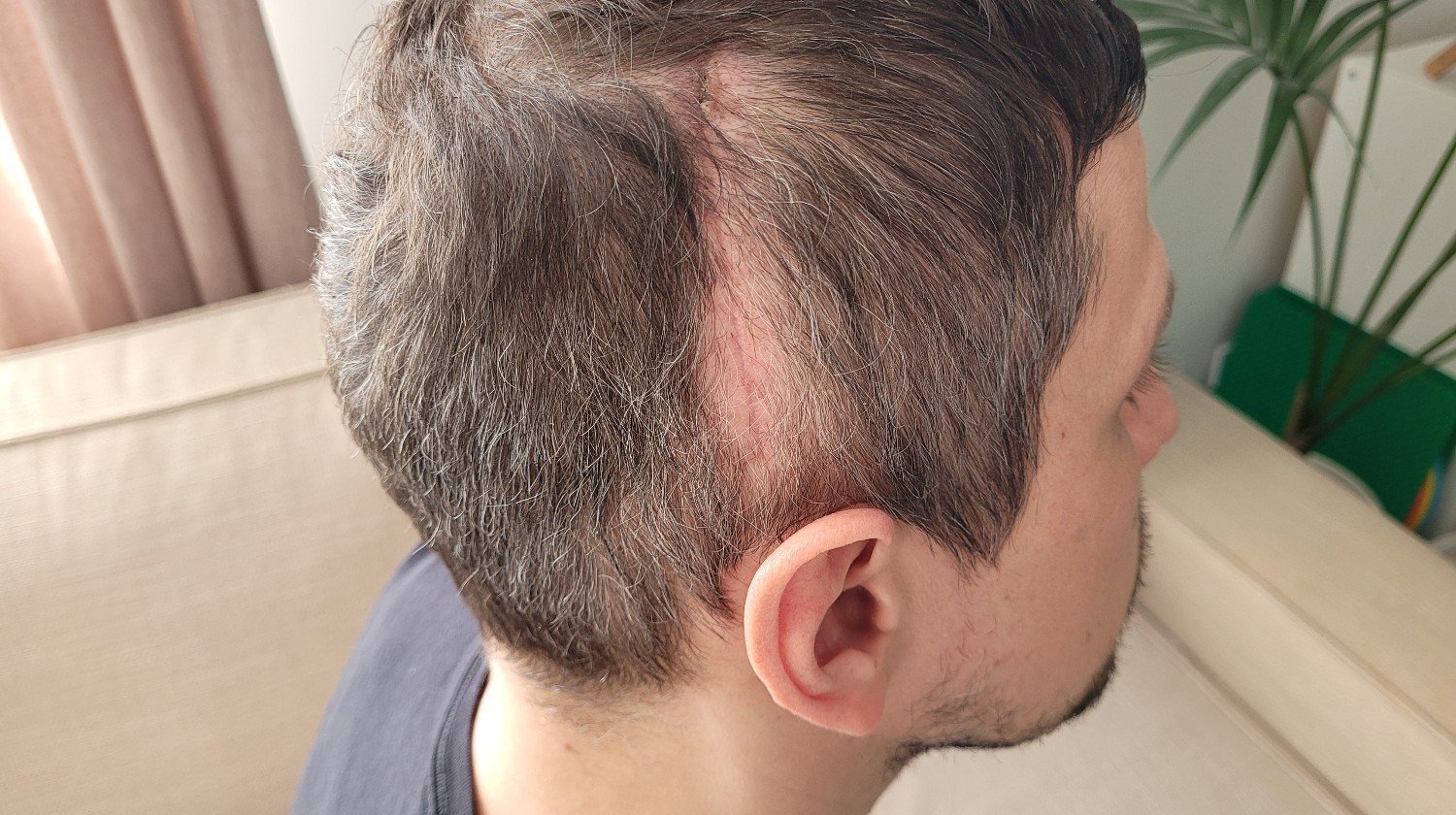
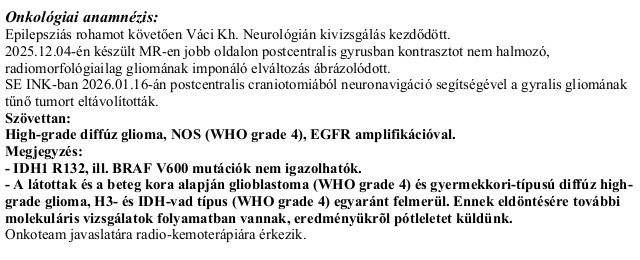
In early December 2025, I underwent a follow-up MRI scan, which showed no signs of a previous stroke, but revealed a lesion clearly indicative of a tumour. This led me to the Neurosurgery Department on Amerikai út, where I was diagnosed with a glioma, and the tumour was successfully removed on 16 January 2026.
My recovery after the operation was quick and smooth, and I have not had any epileptic seizures since then. However, after a period of anxious waiting, the histopathology results arrived on 10 February 2026: high-grade diffuse glioma, NOS (WHO grade 4), with EGFR amplification, which, based on subsequent investigations, corresponds to glioblastoma.
What has happened since then?
· I have spoken to several survivors who have been battling this disease for a long time. These conversations have helped to give me real hope in the fight. (Special thanks to Ádám!)
· With the help of a specialist, I am also addressing the mental aspects of the illness, as I believe this too aids recovery.
· With the help of a very kind professor, I have started the application process for the immunotherapy programme in Germany/Lithuania. Based on my age and current physical condition, my application has been accepted.
· I have had a consultation with my oncologist; standard treatment with radiotherapy and chemotherapy will begin in March 2026.
· I have fully switched to the appropriate diet.
Why is immunotherapy so crucial for me?
Glioblastoma (GBM) is an extremely aggressive, fast-growing, malignant brain tumour that originates from the brain’s supporting cells, known as glial cells. It is the most common and also the most dangerous primary brain tumour in adults, classified by the WHO as grade 4, the highest grade of malignancy.
The tumour cells infiltrate the brain tissue
Glioblastoma is not a sharply defined mass, but rather spreads tiny tumour cells throughout the brain tissue.
During surgery, only the visible and physically accessible parts can be removed; however, microscopic cells may remain in the surrounding areas.
It grows very quickly
Glioblastoma is one of the fastest-growing types of tumour.
Even after successful surgery, the remaining cells may form a new tumour within a short period of time.
The brain’s defence system limits treatment options
The blood-brain barrier makes it difficult for many drugs to reach the tumour cells.
This is why immunotherapy is attracting increasing attention; it attempts to mobilise the body’s own defence system even in areas where conventional treatments are less effective.
Overall survival rates are poor
According to international statistics, the average (median) survival for glioblastoma is 12–18 months.
This is due to the nature of the disease, not because the surgery was unsuccessful or was not performed in time.
How does immunotherapy work?
In layman’s terms, the aim of immunotherapy is for the patient’s immune system to recognise and destroy tumour cells – including those hidden cells that remain after surgery – through the so-called neoantigen-specific T-cell response triggered by the vaccine.
The clinic’s results – which are also featured in a scientific publication on Nature.com– are very encouraging. The median survival of treated patients was 32 months, which is more than double the usual rate. At the conclusion of the study, 54% of patients were still alive. For those who received treatment before the tumour recurred, the median survival had not yet been reached, as more than half of the patients were still alive. This is why it is crucial that treatment begins as soon as possible.
I am aware that this therapy does not guarantee a cure, but as a 38-year-old father of two little girls, I want to seize every opportunity to stay with them for as long as possible. To do this, I am now asking for your help.
What happens next?
1. They will examine what makes the tumour unique
Every glioblastoma is different. By genetically analysing samples taken from the tumour and my blood, they will look for mutations that are specific to my tumour. Some of these create ‘faulty’ proteins that the immune system may be able to recognise and attack. Researchers use computer programmes to select the mutations that offer the best chance of producing an effective vaccine. This stage takes 4–6 weeks.
2. Preparation of the personalised peptide vaccine
The peptides are produced in the laboratory from the 15–20 most promising mutations – these will be the ‘ingredients’ of the vaccine. These are mixed into one or two ‘peptide cocktails’, fully personalised. The manufacturing process is complex and takes around 14 weeks.
3. Administration of the vaccine
The treatment consists of a rapid, intensive initial phase: 4 injections over a few days, followed by a further 10 injections over a longer period, usually every 1–2 months, depending on the immune response.
4. Ongoing monitoring
Following the injections, blood tests are carried out to check whether the immune system is actually responding to the vaccine and how strong the developing T-cell response is.
Why abroad?
Such a complex, personalised immunotherapy programme for the treatment of glioblastoma is not currently available in Hungary.
Although immunotherapy exists as a treatment approach, a comprehensive procedure based on a unique vaccine, similar to the German–Lithuanian programme, is not available in Hungary.
Why is it not supported by the NEAK?
As the programme operates within an experimental clinical framework, the National Health Insurance Fund currently does not fund this treatment.
Therefore, the full cost would need to be covered from your own funds.
Costs
Basic fee for immunotherapy treatment:EUR 80,000
Travel and accommodation, 11 trips with a companion and other estimated costs:approx. EUR 10,000
Total:€90,000
Thank you for giving me a chance at recovery
I never thought I would find myself in this situation one day, or that I would have to ask for help. Those who know me know that this is very unlike me, but right now I am doing everything in my power to stay here as long as possible with my family, my little girls, for whom I still want to be a source of support in so many ways. Immunotherapy could give me that chance.
I was deeply moved by the amount of love and support I have received during this difficult time. At times like this, every emotion is heightened, and one experiences the care, attention and encouragement much more intensely. These things all mean so much.
Thank you for taking the time to read my story. Every single show of support, every share and every good wish brings me closer to being able to complete this journey.
Best regards,
Pali
Gute Besserung ❤️🩹
Kedves Pali! A szerencseszámom összegével támogatlak. Kívánom, hogy mostantól a Te szerencseszámod is legyen. Kitartást és nagyon sok erőt kívánok Neked, a Feleségednek és a Lányoknak. Ismeretlenül is szeretettel: Zsófi
Sok erőt és mielőbbi teljes gyógyulást kívánunk!
Good luck! 💪🏼
Thank you so much!
💪
Köszönjük a támogatást!