Original Hungarian text translated into English
Original Hungarian text translated into English
Description
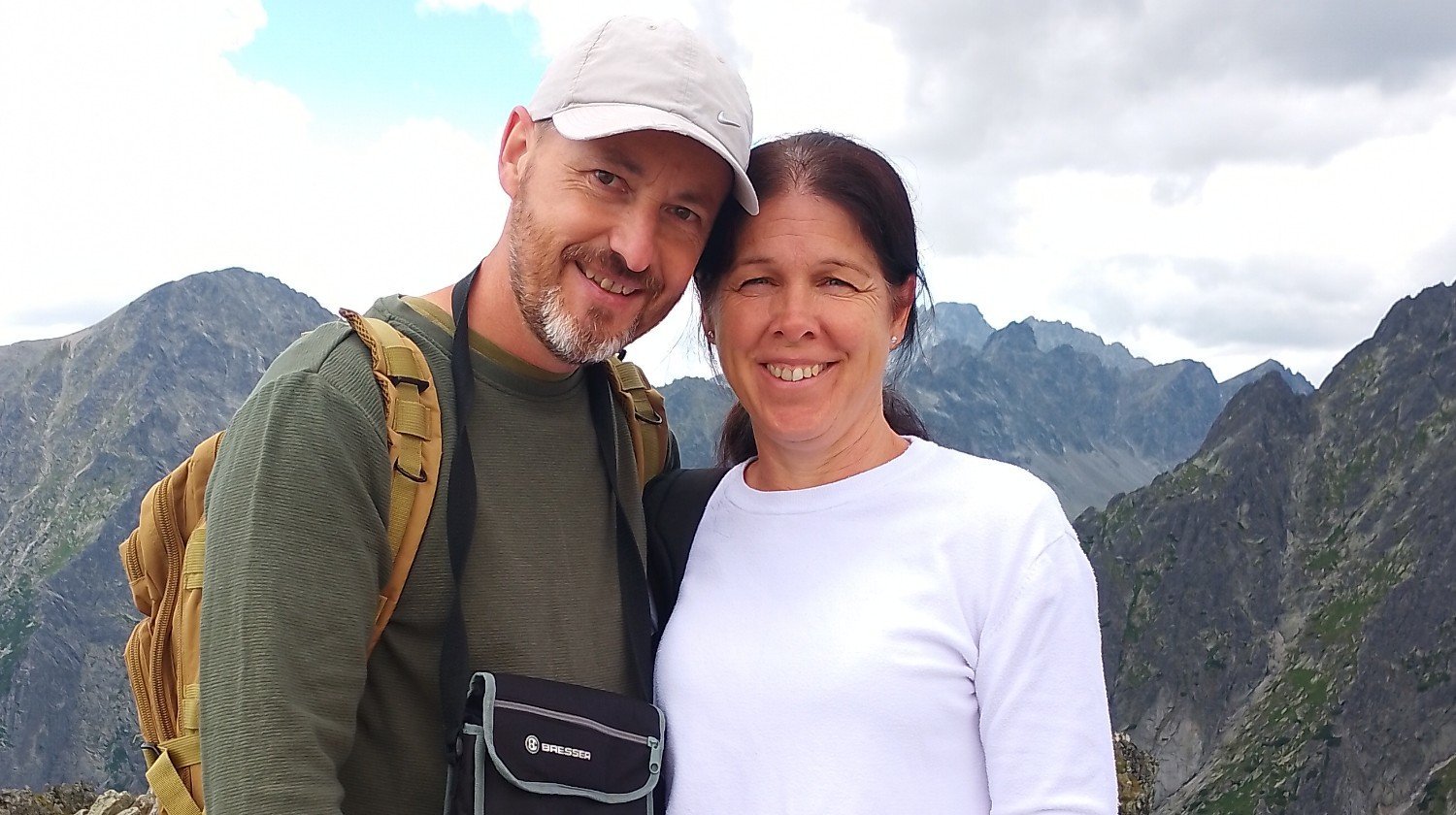
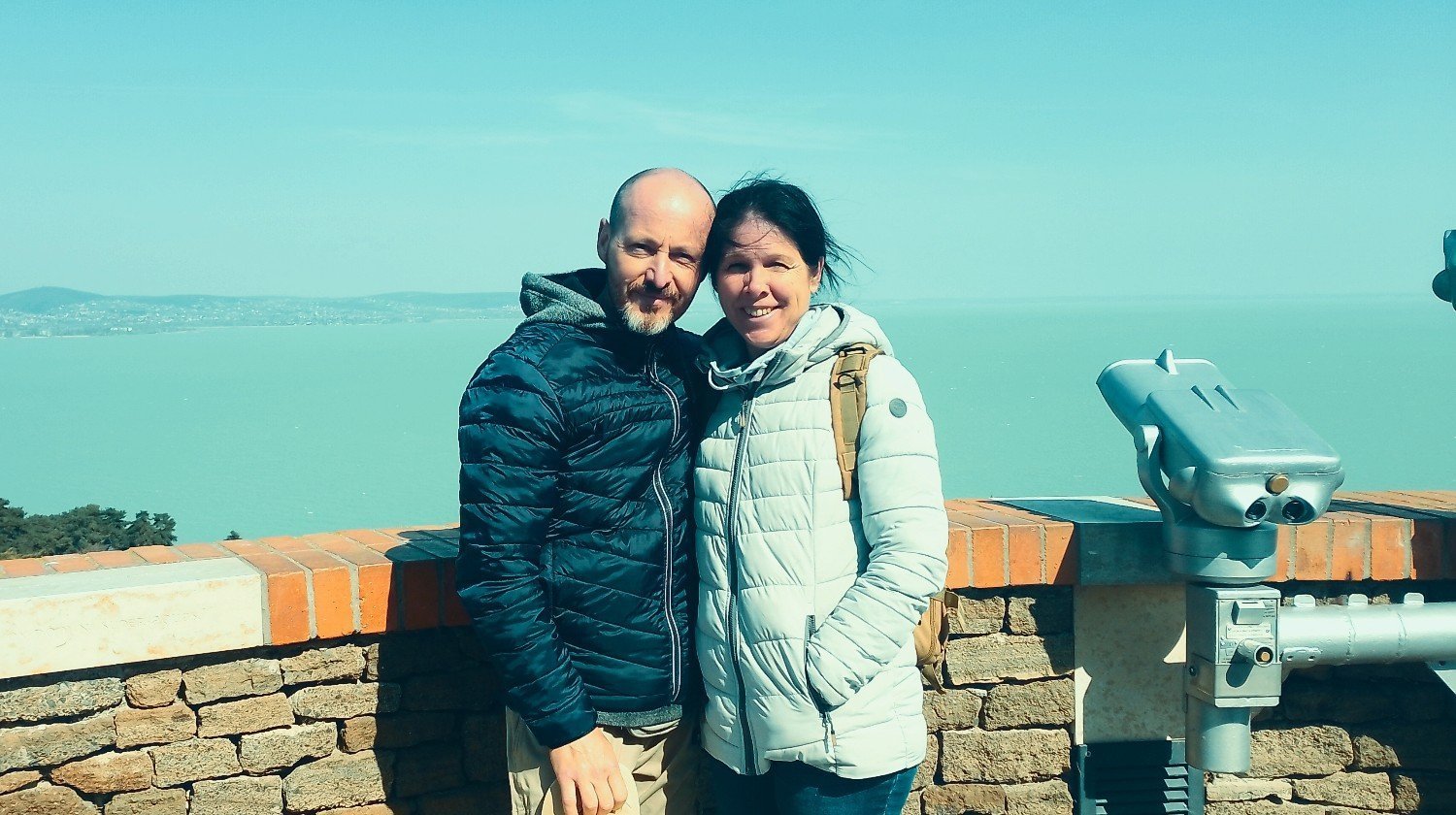
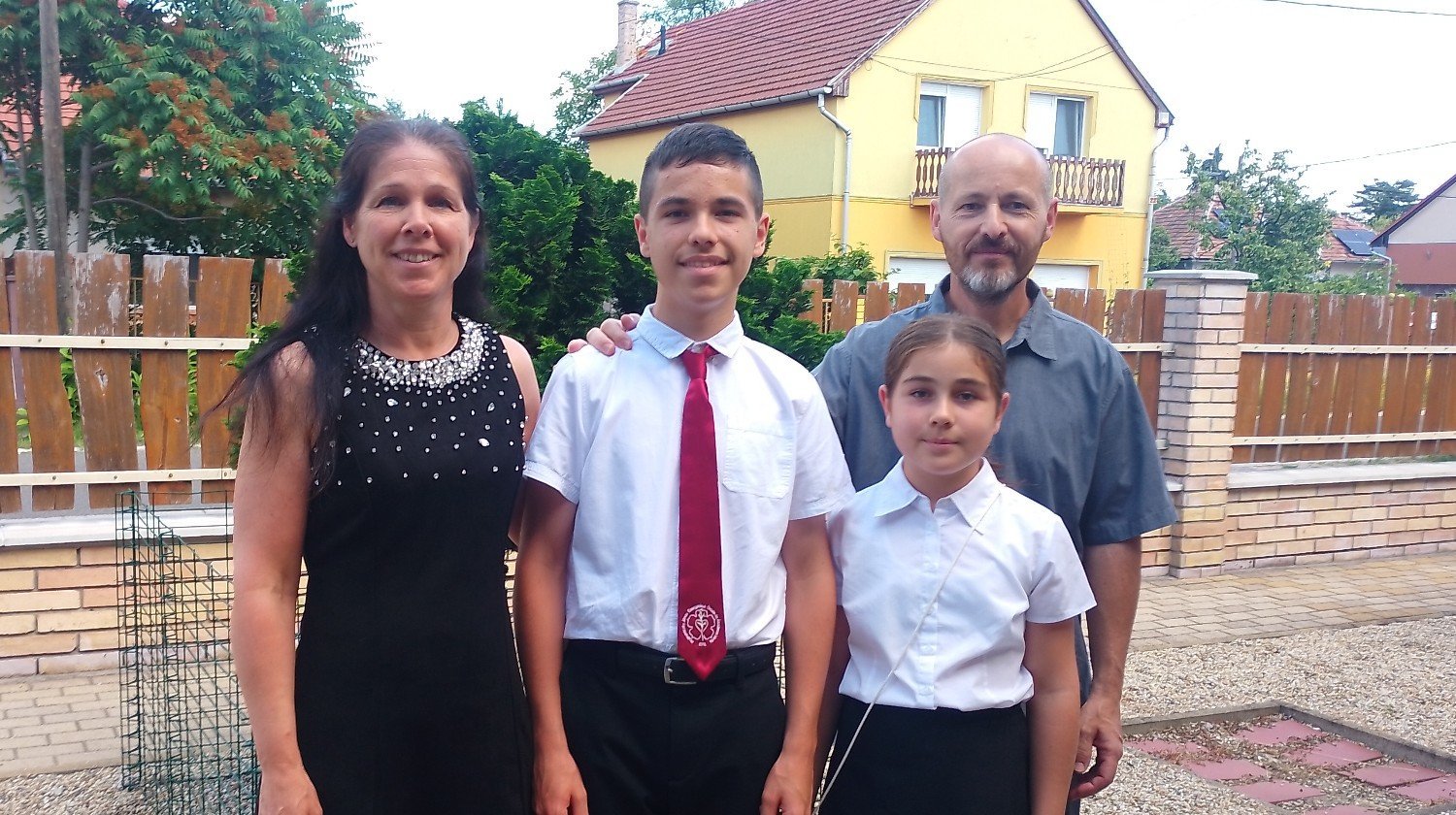
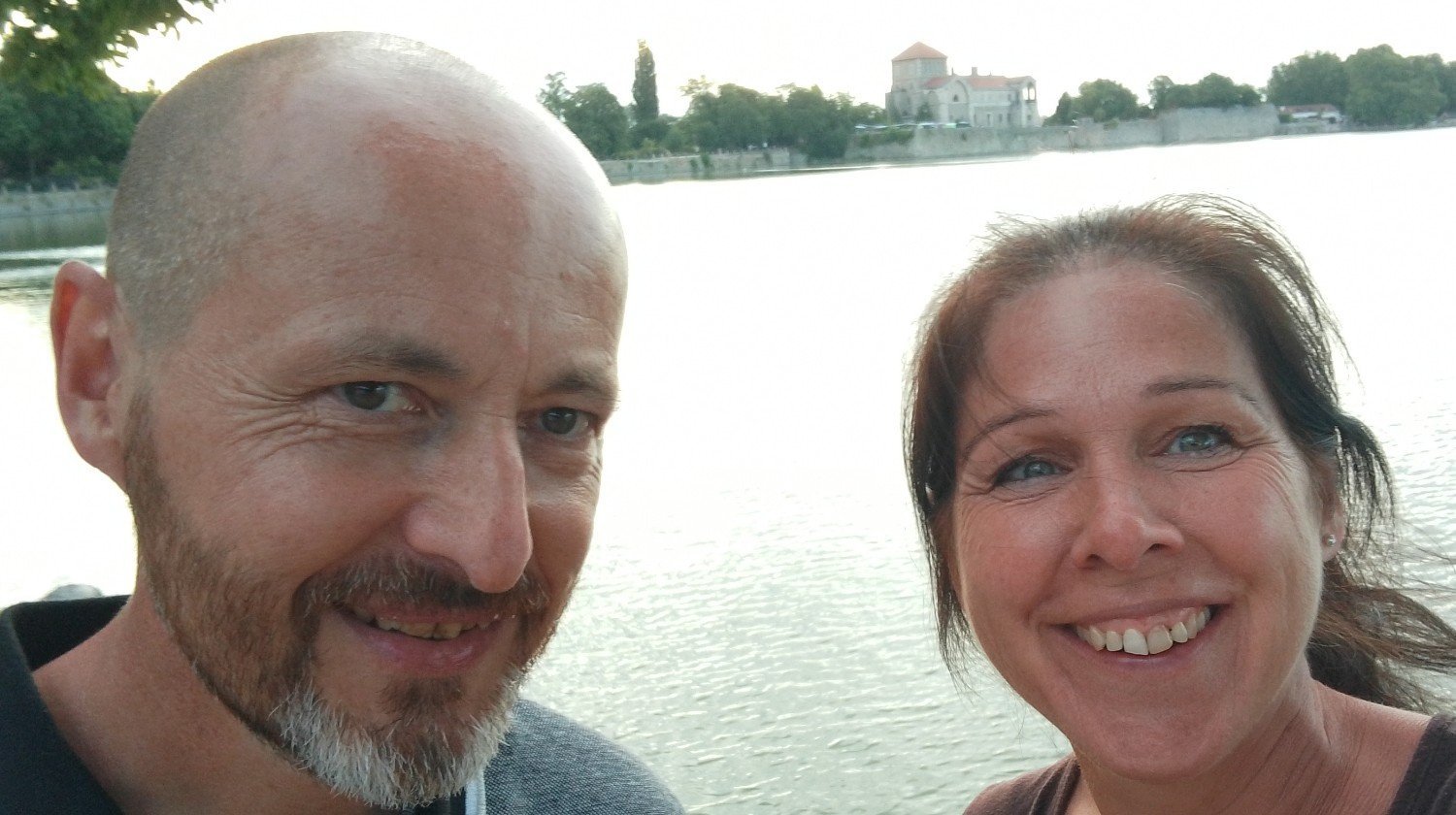
My name is Edit Ballai, and I am organising this fundraising campaign for my husband, Attila Kovács.
Attila is 51 years old, a family man, and we have two children.
I was advised to summarise the situation briefly at the start, so here is the gist in a few sentences: on 30 September 2026, our world was turned upside down.
Our lives as we knew them were unexpectedly and completely shattered by an illness – a type of brain tumour with a very poor prognosis. But a glimmer of hope appeared: there is an experimental clinic in Germany where they are achieving real and significant results in treating glioblastoma using immunotherapy. The treatment is very expensive, and the national health service cannot cover the costs, so we now find ourselves in the situation of trying to raise 100,000 euros through donations.
The illness
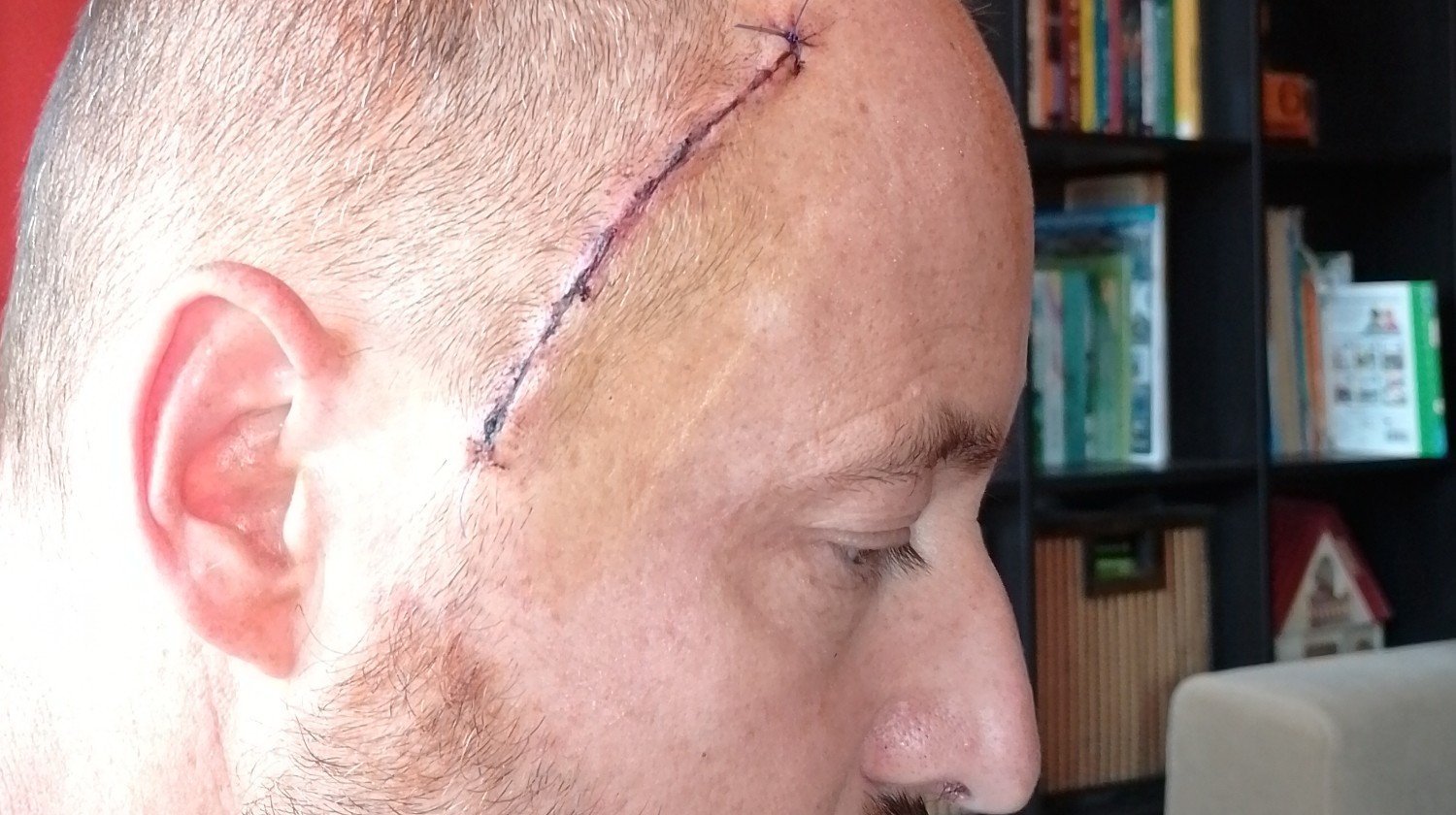
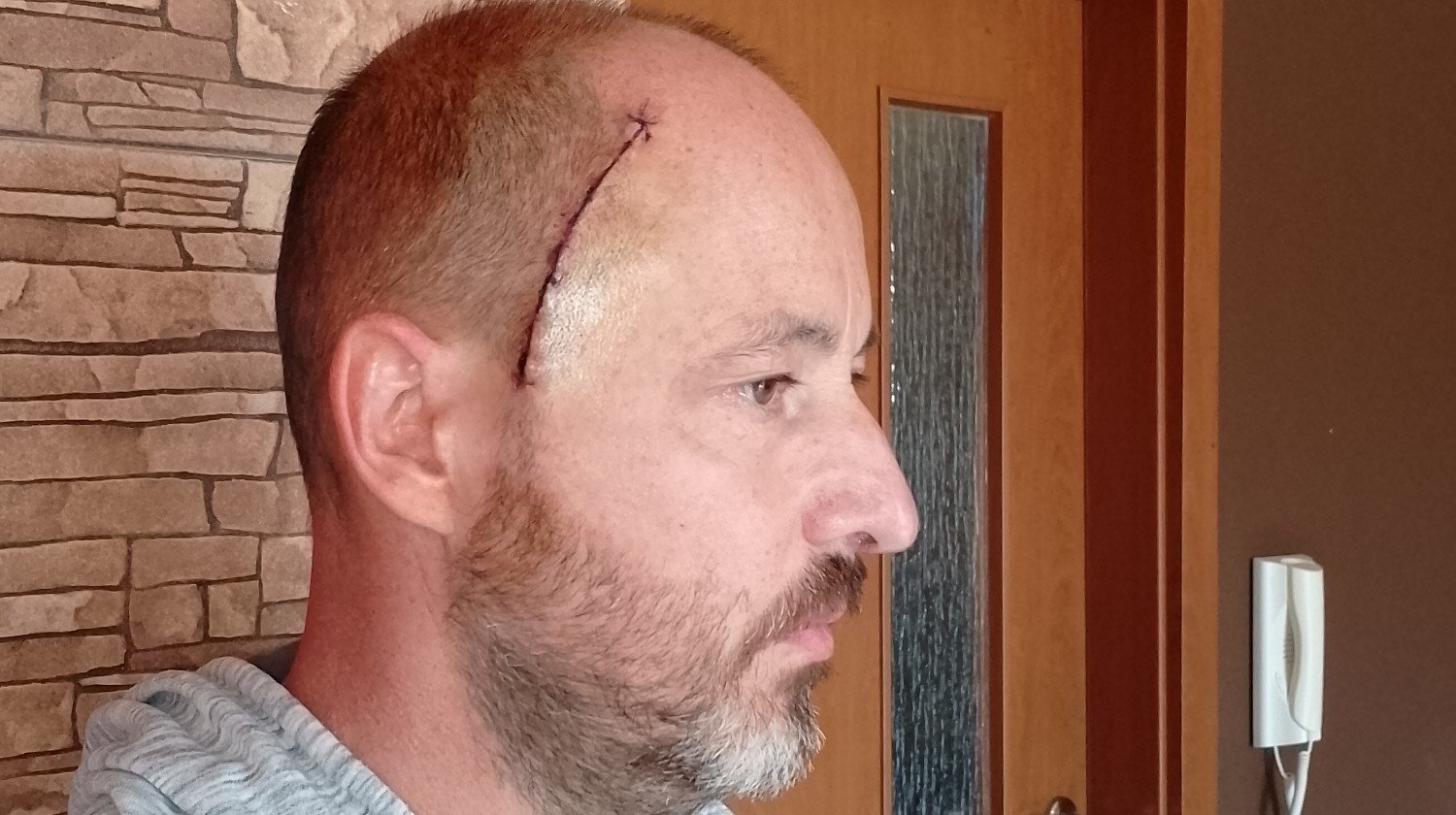
Attila has undergone surgery; but glioblastoma is the most aggressive form of malignant brain tumour, and unfortunately it remains dangerous even if surgeons successfully remove the entire visible tumour during surgery; it is so aggressive that it almost always returns.
Although radiotherapy and chemotherapy are due to follow in November, these treatments are not always effective enough to completely destroy all remaining cancer cells. Glioblastoma cells often resist these therapies.
This is why the patient remains at high risk even after the tumour has been removed.
Immunotherapy – a lifeline of hope
After the initial shock, whilst searching online for survivors, I found someone who explained that, alongside their oncological treatment, they were taking part in a programme at a German clinic where people with cancer are treated using so-called immunotherapy.
In layman’s terms, this involves a so-called neoantigen-specific T-cell response, triggered by a vaccine specially formulated based on the tumour and the patient’s genetic characteristics, ‘wakes up’ the patient’s immune system so that it can fight off the invaders. This means that, following clinical trials, patients are provided with a personalised medicine or vaccine tailored specifically to their own genetic profile, produced with the same rigour and under the same manufacturing conditions as a commonly used medicine.
Costs
Due to the clinic’s pilot phase, as well as the complexity, personalised nature and quality of the procedure, the cost of immunotherapy treatment is high. Whilst scientific and medical circles may well harbour high hopes for immunotherapy, here in Hungary this method and technology are still in their infancy; complex, effective oncological treatment similar to the procedure used in Germany is not yet available. Indeed, whilst several clinics in Europe and overseas do employ some form of immunotherapy, given the clinic’s methodology and results, it can be said that that currently, one of the world’s most advanced, personalised (immunotherapy) treatments for cancer and glioblastoma – offering the highest standards of medical science and technology, and geographically the closest to us – is to be found right here.
What happens next?
1. Delivery of the tissue sample and fresh blood sample to the clinic.
2. The clinic checks the samples received and, using their DNA profile and the institute’s genetic database, the laboratory begins preparing the so-called peptide chain – which will serve as the basis for the subsequent vaccination – following payment of 20,000 euros. This process takes 3–4 weeks.
3. Once the peptide chain is available, and following payment of 60,000 euros, production of the serum begins. This takes 2.5–3.5 months.
4. Once the serum is ready, travel to Germany for a 4–5-day course of clinical vaccination treatment.
5. Return to Hungary.
6. Ten trips to Germany at six-week intervals, during which booster injections are administered as part of the clinical treatment, and the immune monitoring programme begins, during which doctors examine and optimise the immune response. The total duration of treatment is therefore 15–16 months.
In addition, on 11 November, Attila will begin radiotherapy and chemotherapy treatments in accordance with the national protocol.
As for the psychological and emotional aspects of the illness, it is difficult to talk about them. It is still very fresh in my mind, and I find it hard to put into words what happened to us in this situation.
After feeling completely shattered, the love radiating towards me from people – my loved ones, my friends and the whirlwind of events – strengthens and nourishes us day by day. I believe that this mental strength, this faith in recovery and in the future, is key in the fight against cancer. We have been given the strength to fight, and for Attila to live a full life, however much of it remains.
Attila’s age, his current physical condition, and the fact that the tumour was removed very effectively through neurosurgery, fill us with hope that we can continue to live our lives and fulfil the values for which we have been working together in love and commitment for years.
Based on all this, I am convinced that this project is a lifesaver. I am open to any solution regarding raising the funds for the treatment in Germany, and I would like to thank you in advance if you support our fight with a financial contribution.
(When making a donation, under the ‘Support the 4fund.com team’ section, you can choose whether you’d like to support the website itself or the fundraising platform. By default, the slider is set to 20 per cent; you can adjust the amount of your support by dragging it left or right (you are not obliged to support the platform), so this amount is donated not to the administration but to the development company.)