When Monica woke up...
When Monica woke up...
Original German text translated into English
Original German text translated into English
Description
Moooonia, Monika, wake up! Get up! You’ve slept long enough. That’s enough now! Come back to us!
Together we can achieve more!
Let’s help Monica escape her captivity; let’s help her get well again.
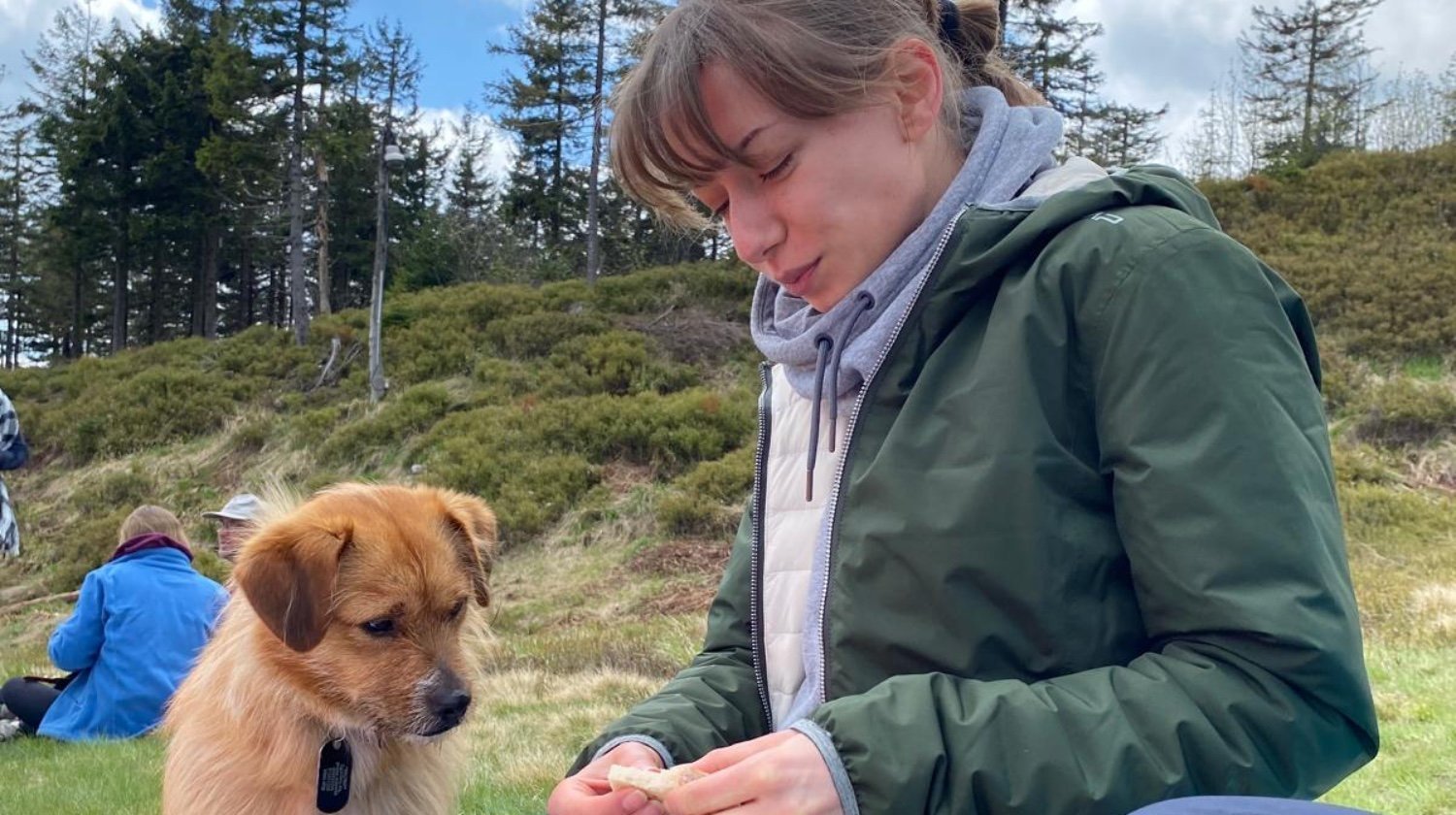
Our beloved and only daughter Monika, on a typical working day on the morning of 9 October 2024, set off cheerfully for work.
She was very happy to have secured a job in her chosen profession after graduating from art college.
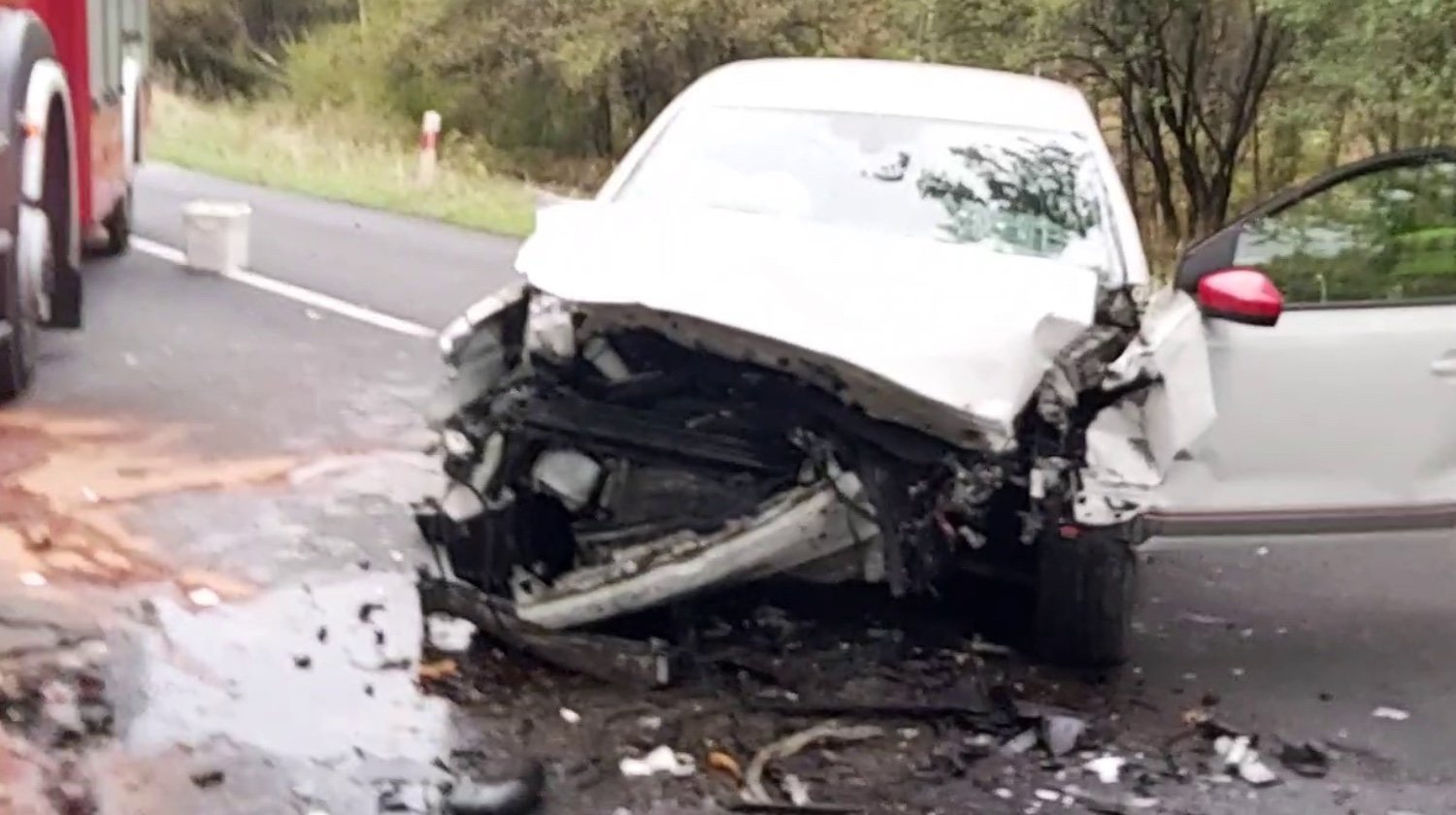
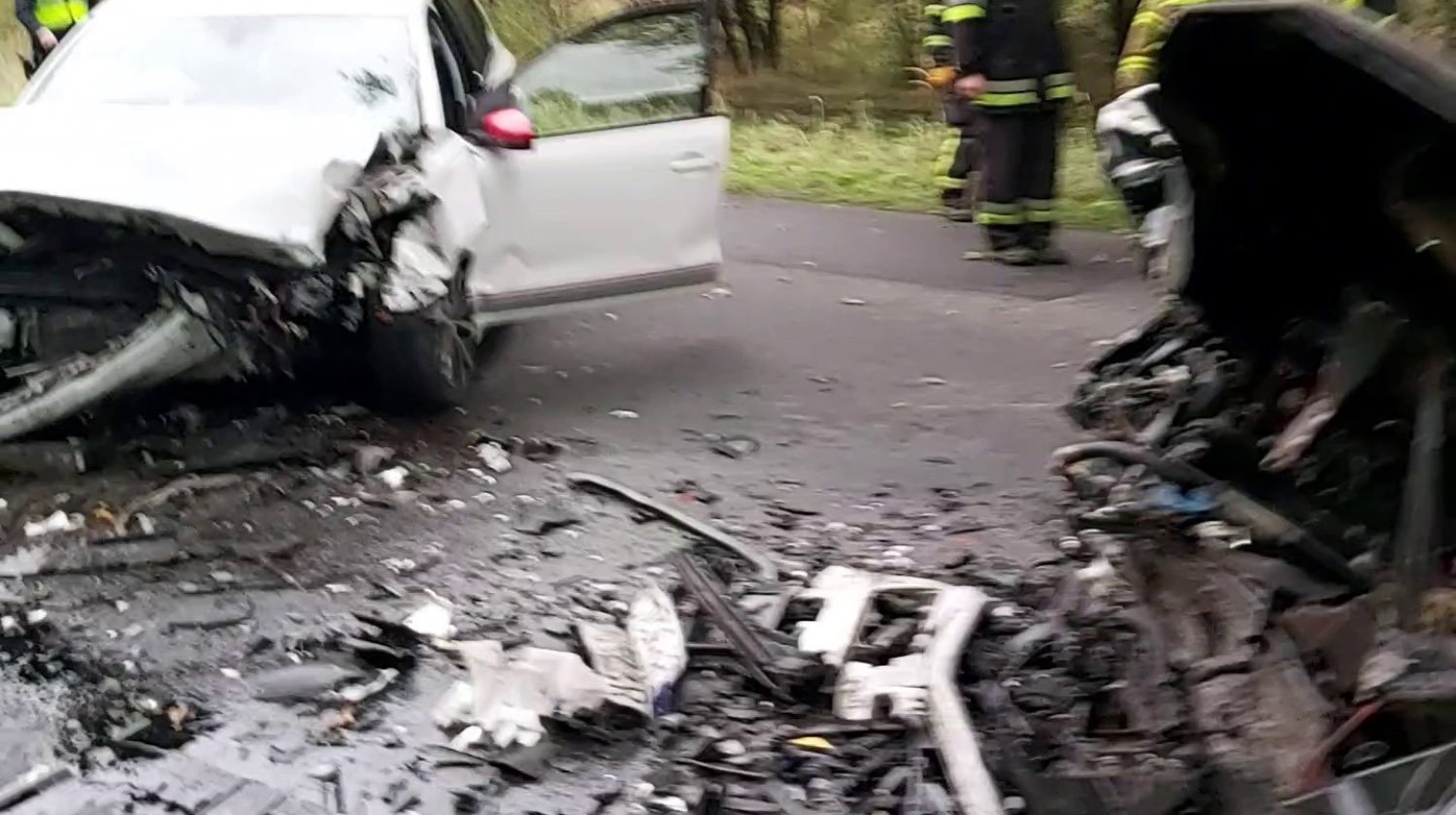
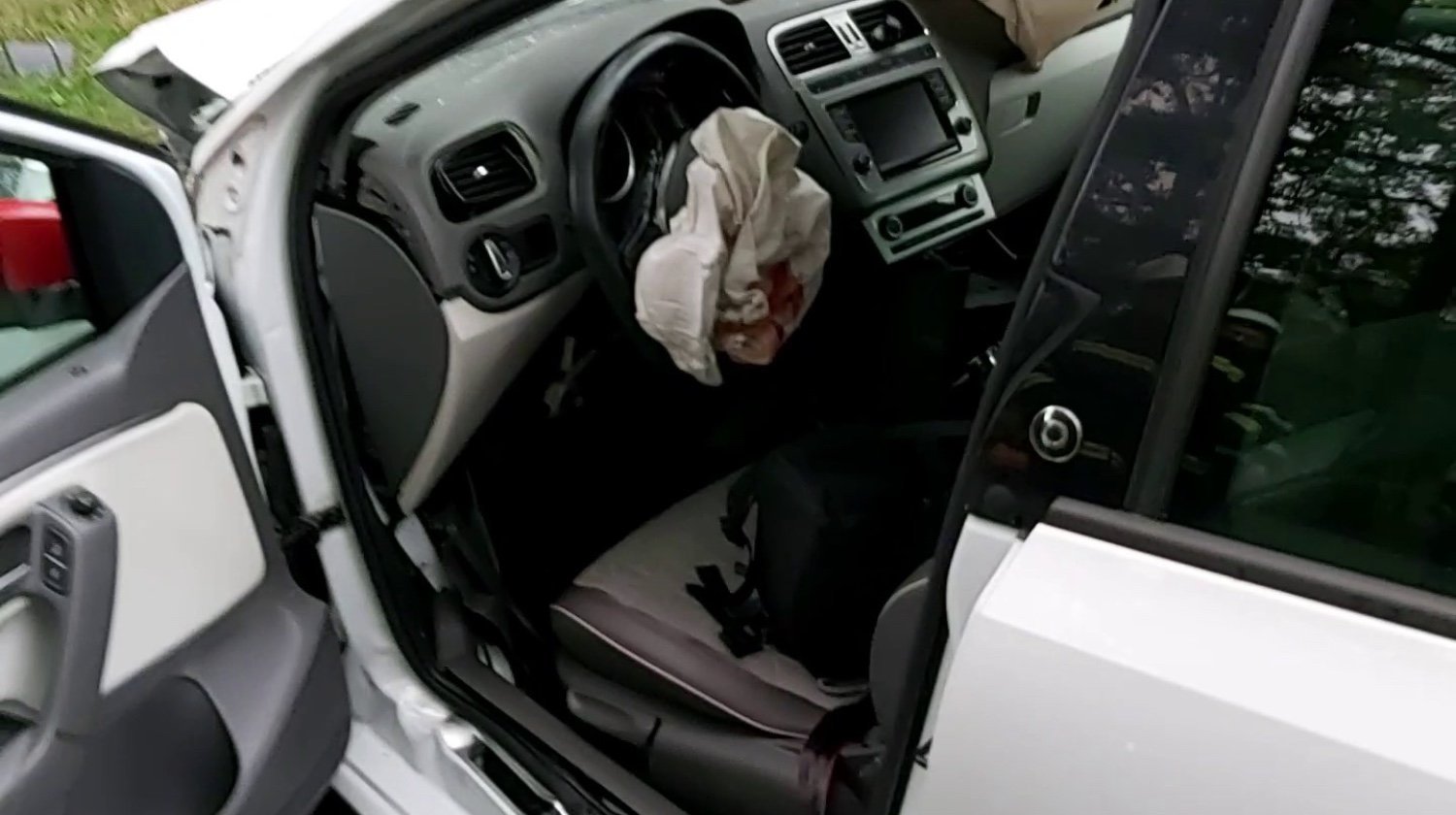
But she was never to reach work, for a turning point appeared on her life’s path – a tragic road accident – or rather, two in one.
In an instant, she was struck by a deer running at over 200 kilograms, which had bolted from the woods onto the road, and a fraction of a second later she was struck head-on by a speeding vehicle coming from the opposite direction.
Monica’s heart stopped beating. She was trapped in the car, unconscious and showing no signs of life. The firefighters and the medical team who arrived at the scene managed to restore her circulation after several minutes of valiant resuscitation. They could not believe the miracle that had occurred.
In their view, victims with such injuries are usually lost forever at the scene of the accident.
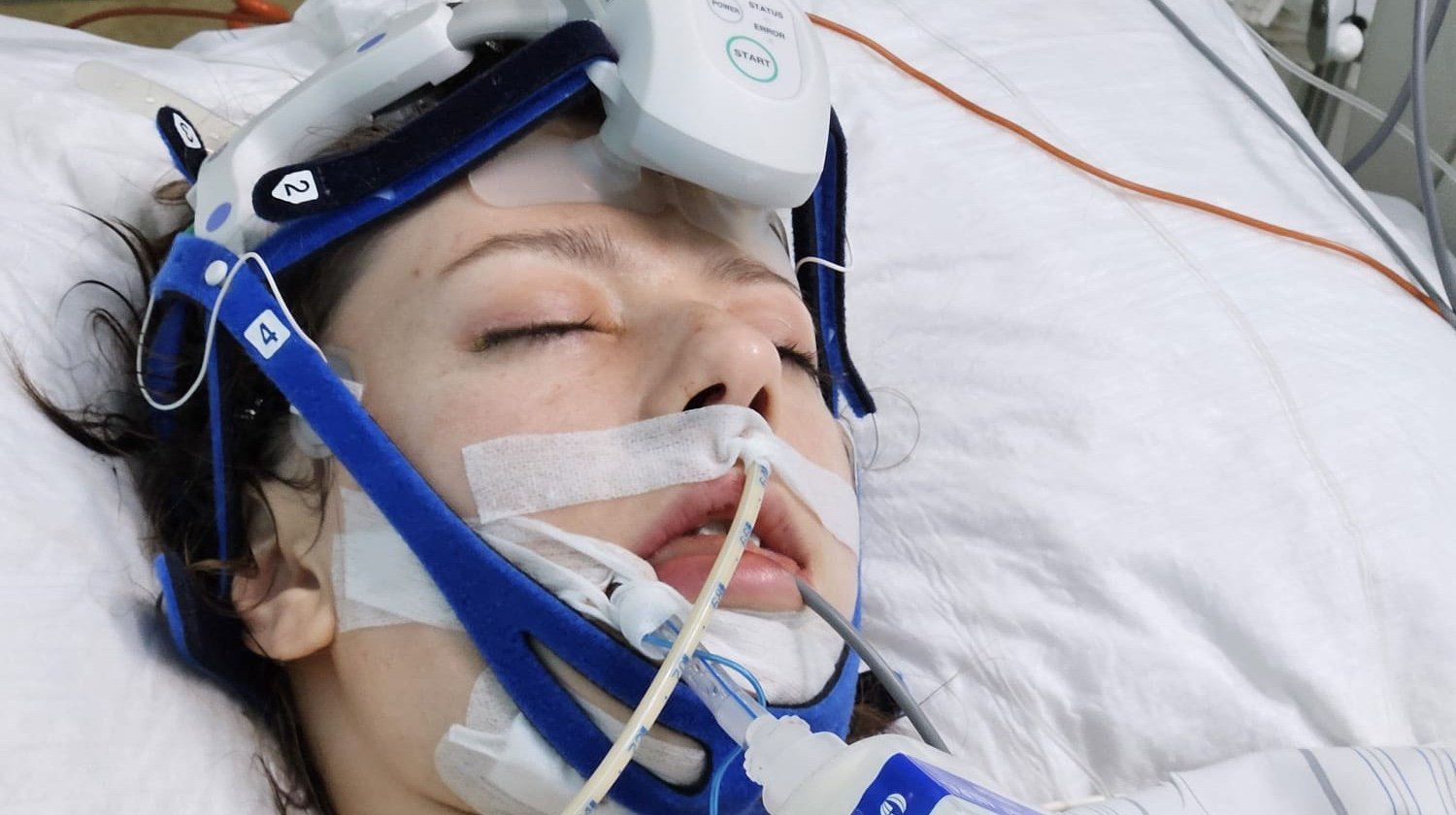
After being transported by LPR helicopter to the University Hospital in Opole, Monika underwent a series of complex operations, including stabilisation of her crushed right hip, a broken leg and, above all, a life-saving neurosurgical operation, because, as the doctor told us during our first contact in the intensive care unit, Monika had almost had her head torn off. She had fractured cervical vertebrae from C0 to C3, both occipital condyles displaced inwards, a lacerated spinal cord, numerous haematomas, including in the carotid artery and the pituitary region (...). Her brain had been hypoxic for several minutes. In the doctors’ opinion, the only part of the brain in good condition was the part responsible for breathing. There were legitimate concerns as to whether Monika would survive the night following the operation, and whether her severely damaged spinal cord would be able to sustain her vital functions over a prolonged period. The verdict was: even if she were to survive, she would be unable to move either her arms or her legs; she would no longer be responsive, because a significant part of her brain – the frontal, parietal, temporal and occipital lobes (...) —had died as a result of prolonged hypoxia.
Monika survived and is alive. It is a miracle. Six weeks have now passed since that tragic accident. Our daughter, weakened by major orthopaedic surgery, has overcome many challenges. She has beaten pneumonia twice, conquered conjunctivitis twice, and defeated other septic bacteria that threatened to take her away from us.
We have been with her every day since 9 October 2024. We drive 300 kilometres daily from our home to the hospital and back to talk to Monia, sing to her, play music for her, massage her face, stroke her fragile hands, and feet, to stimulate all her senses and receptors, to encourage her activity, and to rekindle her desire to return to our world. The doctors observe on the connected monitors that her vital signs increase significantly during our visits. This gives us hope and the strength to act.
We are seeing the first signs of success. The doctors themselves watched Monika in disbelief for a whole week. Monika opens her eyes, responds to the time of day and night, reacts to light, has started to move her eyes, has started to move her mouth, makes her own unique facial expressions, turns her head slightly from side to side, reacts very strongly to the slightest touch by bending both legs at the knees, can clench her hand involuntarily (...) and not so long ago she wasn’t expected to survive; she wasn’t even expected to bat an eyelid.
We are trying to enrol Monika in the adult awakening programme for those in a cerebral coma, because Monika, whom we haven’t mentioned yet, is a beautiful 29-year-old woman, a modest virgin who was recently ready to start a family of her own.
We are in contact with a number of healthcare facilities and hospital departments that offer this type of treatment for comatose patients and run 12-month programmes. These include, for example: ‘Budzik dla Dorosłych’ in Warsaw, ‘Rehstab’ in Limanowa, hospitals in Częstochowa, Jastrzębie Zdrój, Brzeg, and ‘Repty’ in Tarnowskie Góry (...).
Unfortunately, everywhere there is a waiting list of up to 12 months for admission, with 2–3 to 8 people ahead of Monika in each location. By the end of the year, every facility runs out of funds from the National Health Fund to subsidise treatment, and new funding decisions will not be made until early 2025. For Monika, however, every day’s delay in vocational rehabilitation means a slimmer chance of returning to the world of conscious, reasonably fit and healthy people.
A private rehabilitation camp for Monika, with professional medical care provided by a daily team of doctors, neurorehabilitation, neurology, music therapy, hydrotherapy, etc., costs around 15,000 PLN for a two-week stay at a centre. The monthly cost of participating in a private rehabilitation programme, such as that offered by ‘Budzik’ in Warsaw, is around 35,000 PLN per month. Unfortunately, we cannot afford this. We believe that hardly anyone can afford such an expense, even when it comes to such an important life goal.
I, Monika’s mother, have already given up my job to be by Monika’s side and support her recovery. In the situation we find ourselves in, I would not be able to devote myself to my work. At the moment, I am receiving sick pay due to a nervous breakdown, but in a few months I will have used up my sick leave (...). Monika’s father works in a small private garage, and his income is currently just enough to cover the fees, the petrol for the daily journeys to and from Monika’s flat, and modest food expenses.
Monika has been working, so she has built up some sick pay for the time being, but she cannot use it herself; she cannot look after her own well-being, and we, her parents, are currently unable to access her financial resources, at least not until the court appoints us as her legal guardians, and that will take (...).
In this situation, we are turning to you, dear readers, for financial assistance; even the smallest possible amount will help Monika and her parents during the initial phase of Monika’s treatment, i.e. to secure her stay in a specialist centre for the treatment of - from a cerebral coma, as the hospital in Opole, where she is currently being treated, does not consider her eligible for treatment in the intensive care unit, the orthopaedic ward or any other hospital department.
In the event that Monika, God forbid, is not eligible for any of the programmes because she must meet certain medical criteria, or if she completes such a 12-month programme and is able to return home, we will use the money raised to adapt her home to support her daily functioning and rehabilitation, and to ensure she receives professional care.
A heartfelt thank you in advance for any help, on our behalf and especially on Monika’s behalf!