We need the home that the war took from us.
We need the home that the war took from us.
Description
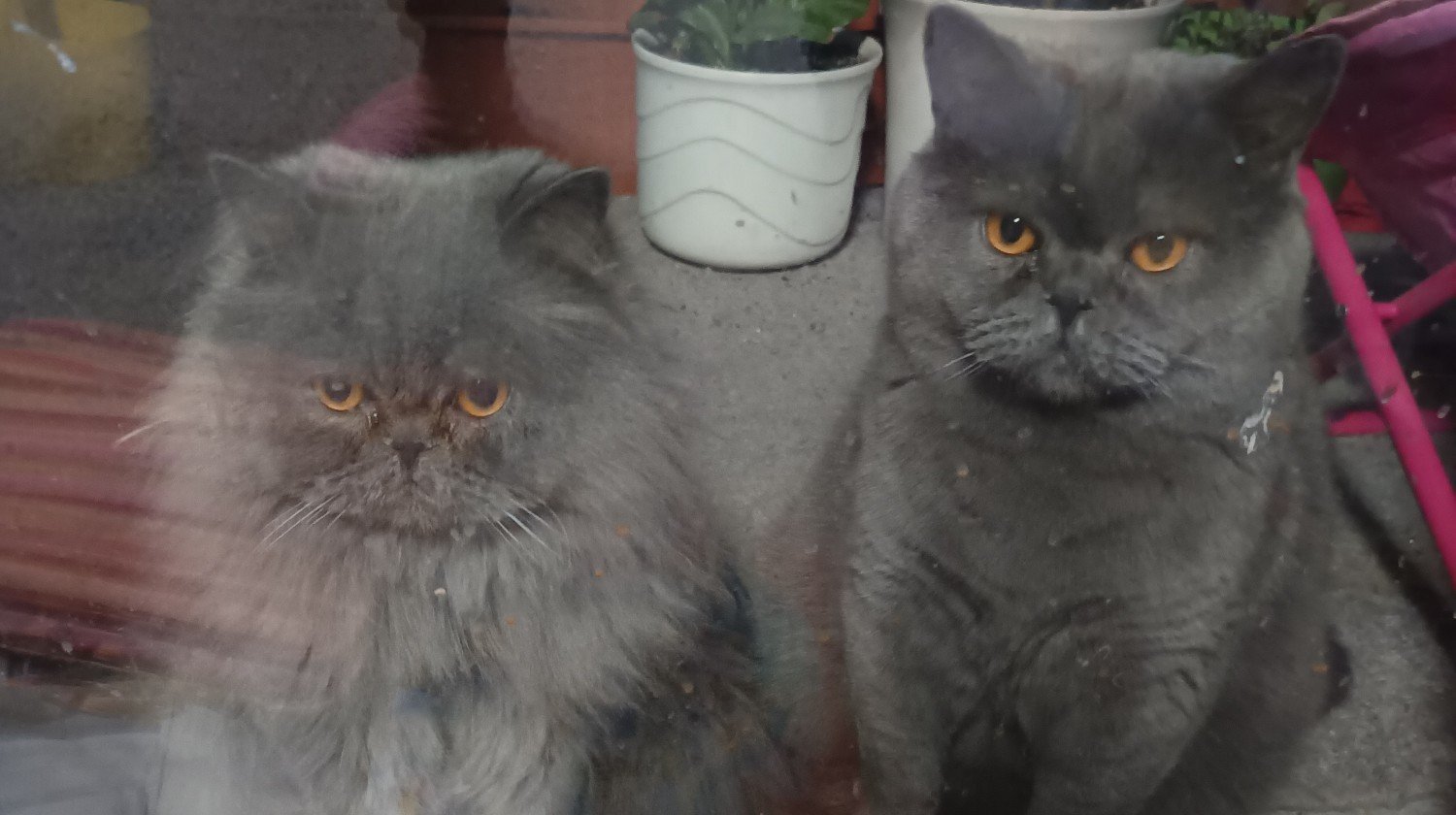
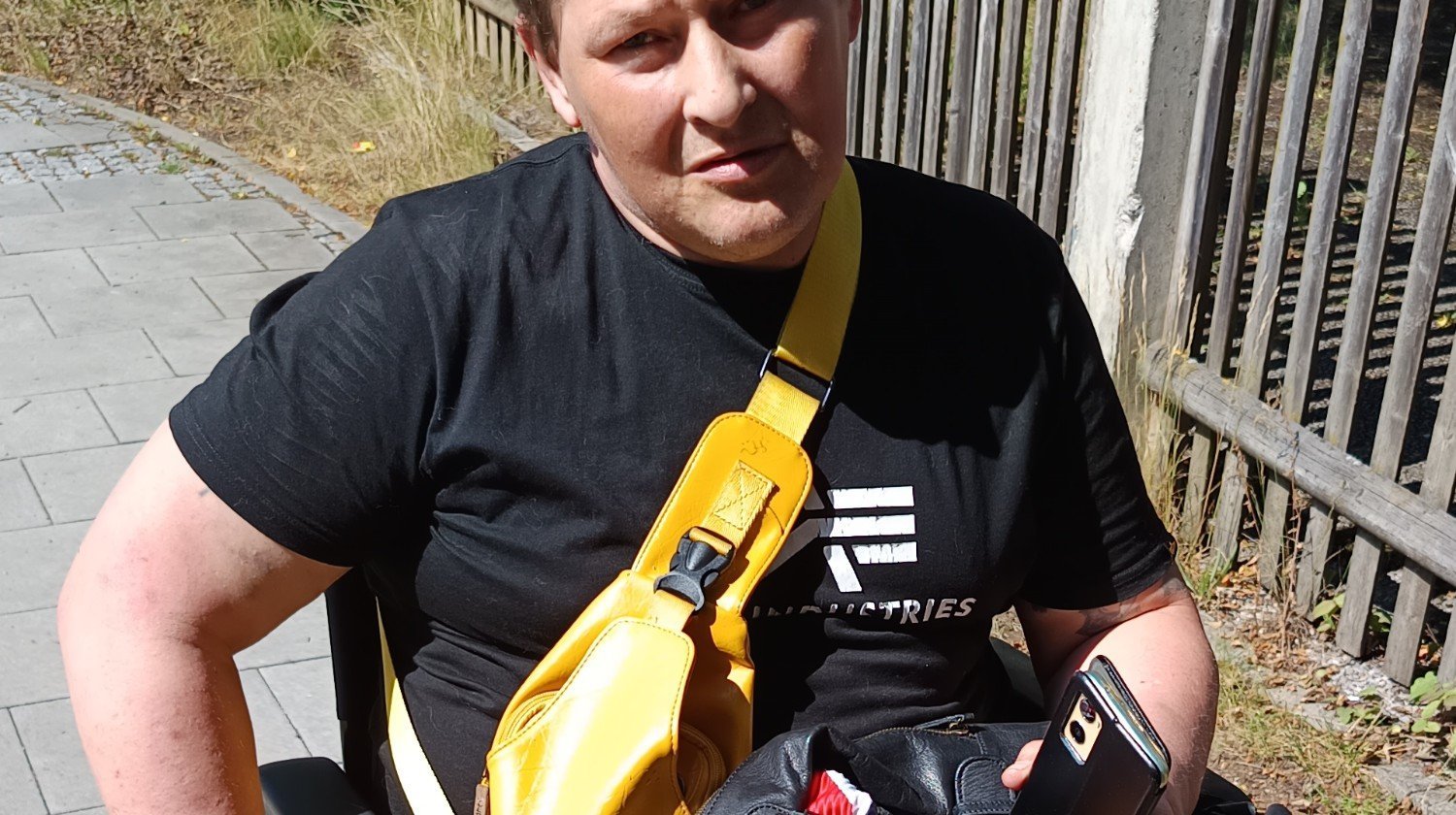
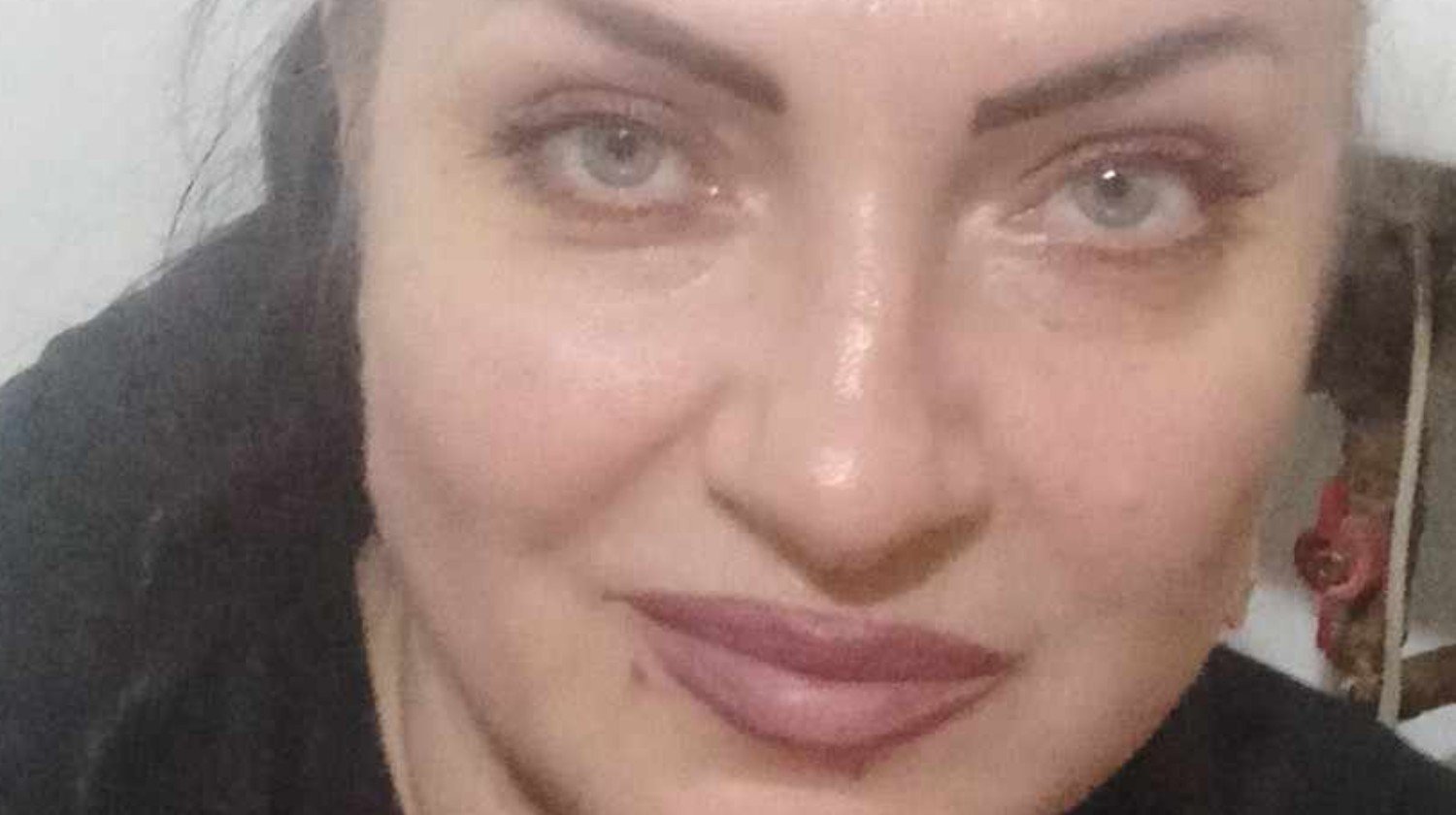
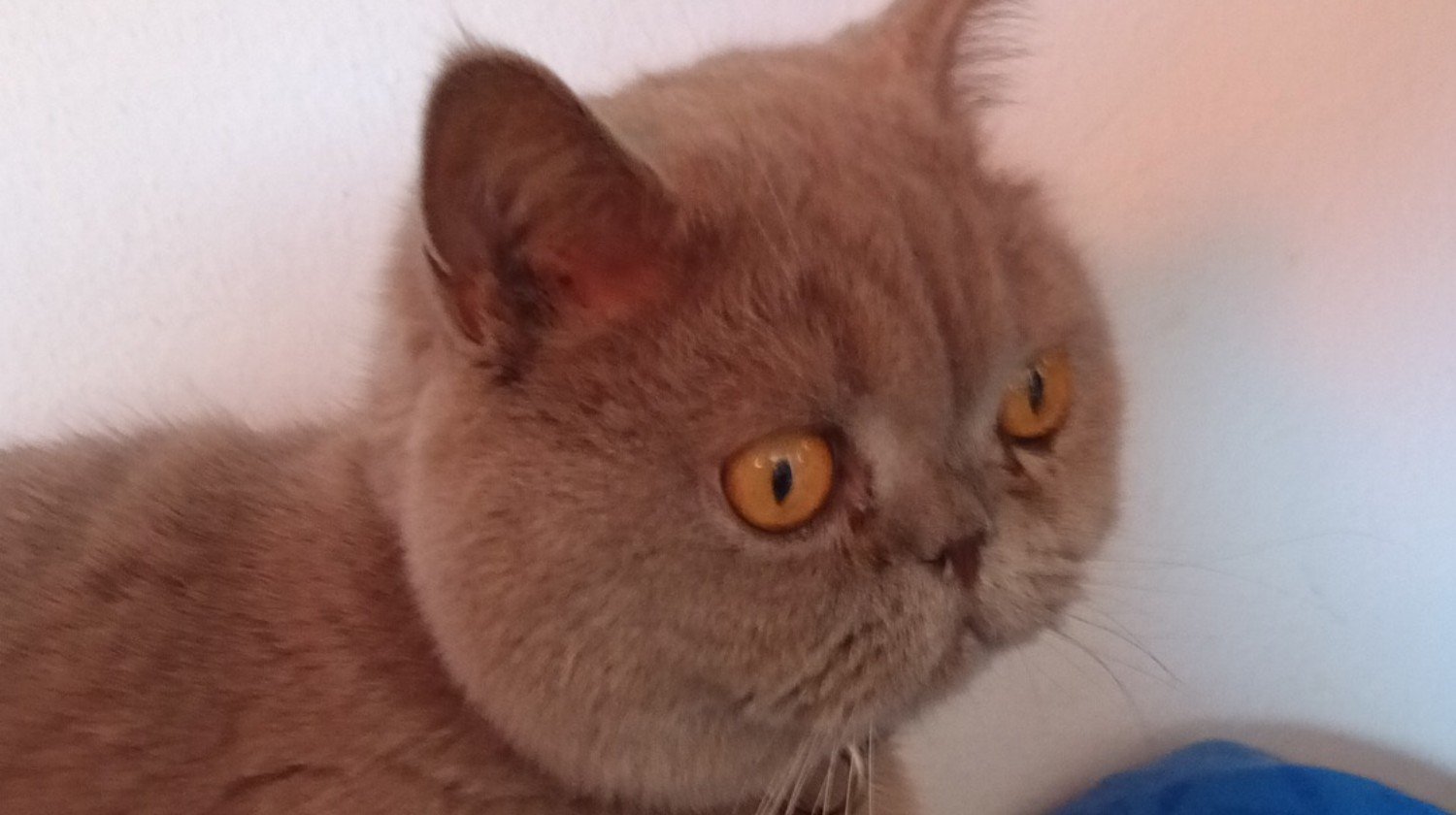
It's time to ask for help from kind people. We were born in Ukraine, in the Donbas region. I ran a construction company, my husband drove a truck. We built a house for our parents and ourselves. By 2014, all of our family members' dreams had come true. We just wanted to work and see the world. But in the spring of 2014, the airstrikes began. The death of friends, the fear of explosions at any time of day, the worry for the lives of our loved ones forced us to leave everything we had built up over decades in one terrible night. Only our son, our mother, our father, and two cats remained. We moved 1,000 km from home, hoping to return in two or three weeks. My husband and I met in Odessa, where we hoped to ride out the crisis in safety. Weeks, months, and years passed. My parents couldn't wait to return home. Both of them developed cancer. My mother died a few months later; my father survived her by a year. The course of the illness was terrible for both of them. My heart was broken. Before my father died, my husband contracted tuberculosis. I spent half a day with him in the hospital and the other half with my father. After my father's death, I cared for my husband for another seven months. I devoted all my strength to my loved ones and waited for the day when everything would be alright again. After years of moving between rented apartments, we moved to a village near Mykolaiv. We had bought a house with our last savings and were confident that things would finally get better. But then, at the end of February 2022, the war started here too. We hoped until the very end that everything would calm down in two or three weeks, but the explosions had already reached the streets of our village. The shops were completely empty, the bridges closed for days. We didn't even have bread anymore, but we had to feed our animals. Once again, while we were out in the city, we came under bombing, and my husband was hit by shrapnel right in the knee. Terrified, I drove him home and called an ambulance. But for ten days, no one came. I removed the back seats of our Renault Trafic and made a bed for my husband. He had a high fever, and liters of pus were oozing from his knee. It was perfectly clear to us that no one in Ukraine needed us anymore. I packed our belongings into the trailer, and neighbors carried my husband out on a sheet and laid him on the bed I had made up in the car. I put our cats with him. And we drove to Europe to seek help... At the border and at the conscription office, we had to undergo further difficult examinations. But we received a document confirming that my husband was injured and unfit for military service. We arrived in a Romanian village, and the car wouldn't go any further. In Romania, my husband received treatment and was able to use a wheelchair. Our car was fully repaired, except for the windshield, which was still completely shattered. Our journey out of Ukraine was extremely arduous, and we were repeatedly hit by bombs.But the window held (and still holds). My husband started using crutches and decided to go back to work as a truck driver. We declined social benefits, and he resumed his job. We were placed on the second floor of the dormitory, which had no elevator and a very dangerous stairwell. My husband fell down the stairs several times but managed to grab the banister at the last moment. Each time, he suffered bruises and sprains. We never saw a doctor but repeatedly went to the administration and asked to be moved to a different floor. On the first floor lived young, healthy women who would have been willing to switch with us. However, a staff member at the administration categorically refused to help us when she learned about my husband's underlying health conditions and insulted and humiliated our family. From then on, my husband came home as infrequently as possible to avoid further physical or emotional harm. However, on December 10, 2024, he came home for two days and fell down the stairs on the second floor. He rolled all the way down the stairs. He suffered a broken femur in his injured leg, a broken wrist in his left hand, and bruises and lacerations to his head. He spent the next seven months in the hospital: two of them in a large metal frame and five months in a plaster cast from his fingertips to his groin. His body was covered in bedsores, and his skin was peeling off. He screamed in pain around the clock. But the worst part was that after the cast was removed, it was discovered that his leg had fused due to a twisting of bone and tissue. Before this injury, my husband had been scheduled for knee replacement surgery. He could have returned to a normal life. After the operation, he could have walked like everyone else and done the usual things a healthy person does. But the fall down the stairs robbed him of that possibility. After my husband's fall, the woman from the administration, who had refused to relocate a disabled person, decided to get rid of us for good. We were harassed with inspections several times a week. They broke into our room at any time with their keys. They insulted us and photographed everything in our room. My husband was denied access to the toilet. They humiliated us and accused us of living in that room out of sheer kindness. We were discriminated against in every way imaginable, and as soon as they learned that my husband was already wheelchair-bound and able to move around, they decided to throw us out. Seven administrative staff members and a police squad came to remove us from the room. But we fought back. We also contacted the head of the organization for help, but received nothing but further harassment and contempt. As soon as my husband could use crutches, he immediately found a job as a truck driver in a remote region so that I could move closer to his workplace. My husband is very dedicated to his work. Cars mean a lot to him, and trucks are his greatest passion. When he got a truck for work, he put all his energy and money into modifying and improving it.He dedicated himself completely to his work. The most important thing was that it was an opportunity to escape that area and rent an apartment for us. The worst thing about my husband's job was that every trucking company owner tried to exploit the drivers as much as possible and pay them as little as they could. My husband worked 13 to 17 hours a day and was at his limit. Once, he lost consciousness from sheer exhaustion and fell out of the cab of his truck. His spleen ruptured. He was taken by ambulance to the hospital in Erfurt, where tests also revealed double pneumonia. When my husband's boss found out about the incident, he ordered the truck to be transferred to the company headquarters in Hamburg. I arrived that same day in our old Trafic and lived in the car in the hospital parking lot. After five days in intensive care, my husband left the hospital and went back to driving trucks; I followed him. After he called in sick and requested a recalculation of his working hours, he received his termination notice from the managing director via WhatsApp. I unloaded all his belongings, laid him on the floor of our minibus, and drove him closer to home for treatment. He had to go back to intensive care. A week later, he was transferred by ambulance to the intensive care unit at the hospital in Munich. My husband wasn't paid for his work, and the manager refused to cover his health insurance. He left the hospital, and I brought him to our small room in the dormitory. All those unbearable years of wandering, humiliation, deprivation, extreme fear, mental and physical pain, exhaustion, long lives spent in the car, the cold, and hunger—we had only one plan: after a few months of work, we would be able to buy a small house on credit. Our cats are still with us. We can go for weeks without food, but our beloved pets are always well-fed and happy. For over two years, we have been harassed and discriminated against by the administration. They tried to evict us from the dormitory because of our beloved cats. They are our family and our closest companions. There have been countless situations where we felt like giving up. Only the love and grief for our cats keep us going and allow us to continue cherishing them. Twelve years ago, our lives turned into a nightmare. We are honest, sincere, and hardworking people, but we lack both the strength and the means to overcome this situation on our own. Under extreme, ongoing stress and feeling utterly hopeless, I am turning to you for help.God knows this is our last chance. Without your help, we cannot overcome our problems. We are sincerely grateful to everyone who supports those who have no other choice! People who have lost hope stop seeing any prospects. Sometimes a little push and support is enough to make someone truly happy. I bow deeply to everyone who does not remain indifferent to the misfortunes and difficulties of others! And today I have come to ask for help from those around me because my family has always helped and supported those who needed it...
And I believe there are many like me in the world! Thank you all!