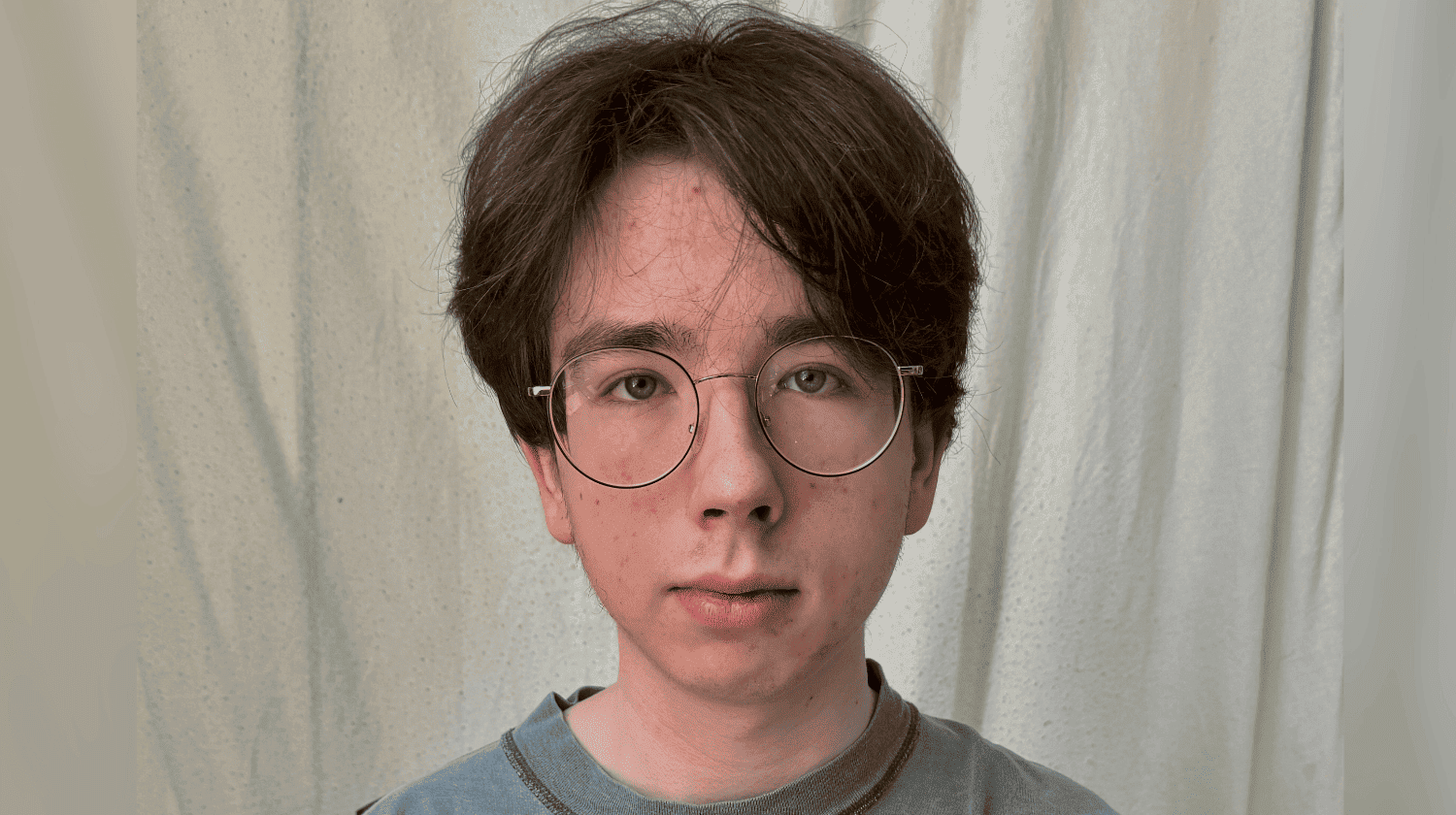
Description
Until recently, I lived an ordinary teenage life.
I went to the gym, spent time with friends, walked, ran, and planned for my future. Today, at 19 years old, I am confined to a wheelchair and fight for every single day.
How it started
In November 2023, I began experiencing dizziness, severe headaches, fatigue, muscle weakness and numbness in my limbs. Doctors were puzzled. After extensive searching, I was diagnosed with Tethered Cord Syndrome - a rare condition in which the spinal cord is abnormally attached to surrounding tissue, causing progressive neurological damage.
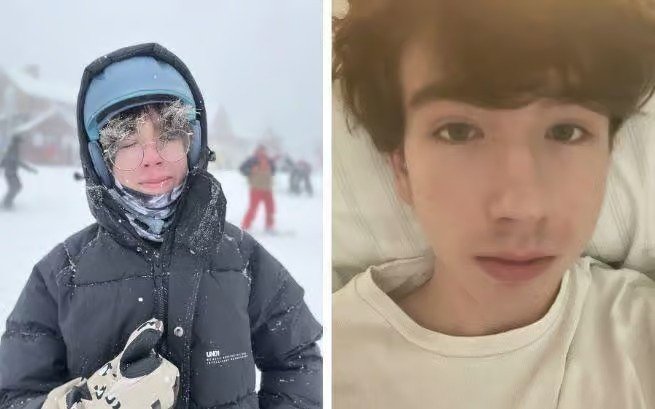
Symptoms kept and keep worsening
Tethered Cord Syndrome is a progressive disorder. From the very beginning, my symptoms were continuously intensifying, marked by escalating, agonizing back pain and a steady decline. While the first surgery successfully halted this progression by releasing the spinal cord, the relief was only temporary. Once the cord re-tethered, and especially after the second surgery, the progressive decline resumed - and even today, my symptoms continue to worsen day by day.
Two surgeries - and a nightmare
In May 2024, I underwent my first surgery in Poland. For three months, I felt better. Then the symptoms returned - the spinal cord had re-tethered. In February 2025, a second, more invasive surgery was performed. Instead of improvement, I suffered a catastrophic decline: I lost the ability to walk, developed severe spasticity and contractures in both legs, and - due to complete urinary retention - have since required a permanent suprapubic catheter. I am 19 years old and have been wheelchair-bound for over a year.
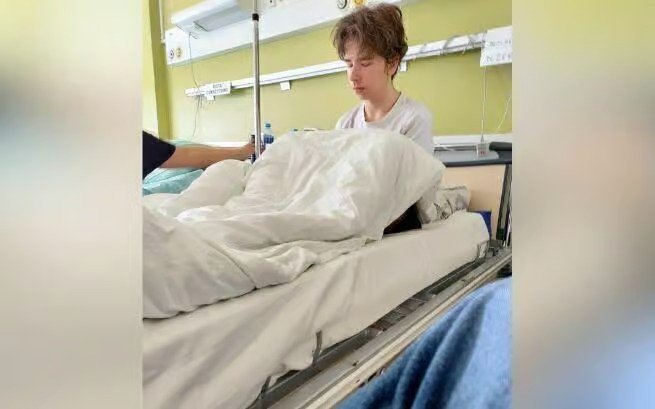
An added complication - MCAS
At the same time, I was diagnosed with severe Mast Cell Activation Syndrome (MCAS), an immunological condition causing severe reactions to medications, food, and environmental triggers. I can only tolerate a handful of foods and a very limited range of sterile pharmaceutical formulations. This makes every aspect of my medical care significantly more complicated.
Polish medicine has reached its limits
After two failed surgeries in Poland, standard intradural approaches carry an unacceptably high risk of further complications in my case. Two advanced surgical options are now being evaluated by specialists abroad: intradural revision surgery with expansile duraplasty - a procedure to release adhesions and reconstruct the dural sac - and Spinal Column Shortening (SCS), a vertebral osteotomy that permanently reduces tension on the spinal cord by shortening the spinal column itself, eliminating the need to enter the scarred intradural space. Fewer than a handful of surgeons in the world perform SCS for tethered cord.
A breakthrough - confirmation from leading specialists
After months of international outreach - contacting dozens of neurosurgical centres across the USA, Germany, and China - I have received confirmation from two of the world's most respected neurosurgeons:
- Dr. Petra Klinge (Rhode Island Hospital / Brown University, Providence, USA) - who first diagnosed my tethered cord in 2024, has now reviewed my current MRI and records, confirmed re-tethering, and sees indications for intradural revision surgery with expansile duraplasty. She is also arranging for her colleague Dr. Niu - an SCS specialist at Brown - to additionally evaluate my candidacy for Spinal Column Shortening during the same in-person visit. This consultation is scheduled for October 1st.
- Dr. Peter Chou (Columbia University / NewYork-Presbyterian Hospital, New York, USA) - one of the most experienced SCS surgeons in the United States, has confirmed acceptance for an in-person consultation.
We need your help to get me there
The consultation with Dr. Klinge and Dr. Niu is scheduled for October 1st. Time is limited - we need to raise funds and arrange the trip before then. I must travel to New York City and Providence, Rhode Island.
A lie-flat seat - available in business class on transatlantic routes - allows me to travel horizontally, the same position in which I spend the vast majority of my time at home. This is not about comfort. It is the only configuration in which a roughly 10-hour flight from Poland to the USA is medically feasible for me.
I will be traveling with my father and one additional family member, who will assist me with airport transfers, logistics, and communication throughout the trip. I require full wheelchair assistance at every stage of transit.
The total cost of this trip is approximately €17,000, covering flights, accommodation, consultation fees, ground transportation, food, and travel insurance. Flights, accommodation, and consultation fees are being covered through a separate fundraiser. This campaign covers the remaining costs - ground transportation, food, insurance, and other travel expenses - approximately €6,500.
Every donation brings me closer to a normal life.
I am 19 years old. I have my whole life ahead of me. Please help me stand up from this wheelchair.
How the funds will be used:
- Ground transportation (wheelchair-accessible vehicle rental) - ~€2,000
- Food (including specialized diet due to MCAS) - ~€1,500
- Travel insurance (pre-existing conditions coverage) - ~€400
- Administrative costs (ESTA, IDP, eSIM, medical supplies) - ~€400
- Buffer for unexpected costs - ~€2,200
Total: ~€6,500
Flights, accommodation, and consultation fees are being covered through other sources.
With gratitude, Dawid
Documentation & Verification
Below are documents confirming the key facts described in this fundraiser.
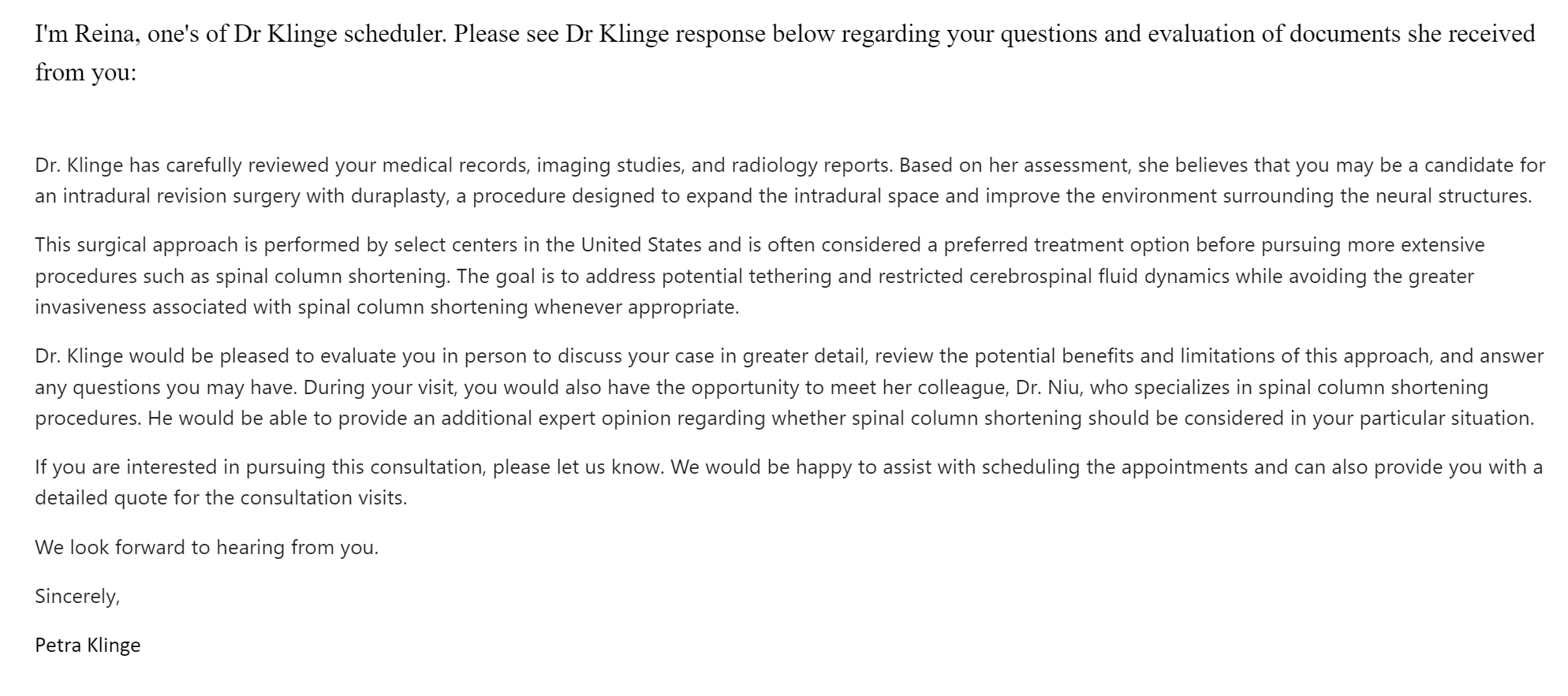
Dr. Petra Klinge (Rhode Island Hospital / Brown University) - after reviewing my medical records, imaging studies, and radiology reports, Dr. Klinge concluded I may be a candidate for intradural revision surgery with duraplasty, and invited me for an in-person consultation. Her colleague Dr. Niu will additionally evaluate my candidacy for Spinal Column Shortening during the same visit.
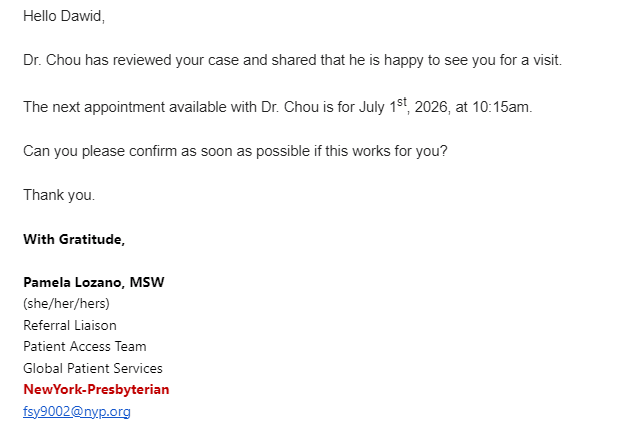
Dr. Peter Chou (NewYork-Presbyterian / Columbia University) - Dr. Chou reviewed my case and confirmed he is happy to see me for a visit. Scheduling is ongoing.
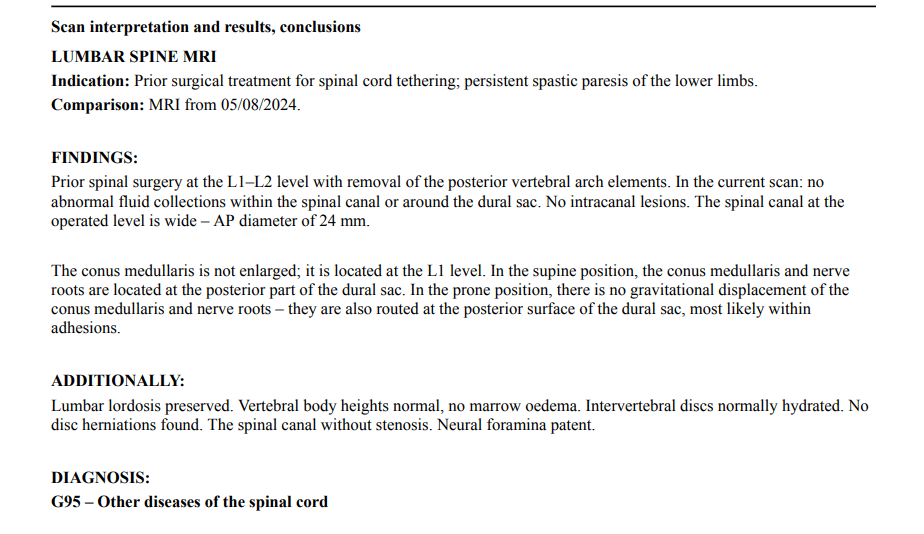
MRI report (April 2026, Medical Diagnostics Centre MULTI-MED, Warsaw) - the radiologist confirmed that in the prone position, there is no gravitational displacement of the conus medullaris and nerve roots - they remain fixed at the posterior surface of the dural sac, most likely within adhesions. This is the key objective finding confirming re-tethering.
From Barbara & Boguslaw Graniczka from Boston MA
Thank you!
From Krystyna Pieniążek-Boston MA 💖
Thank you!
Best wishes! 🍀
Thank you!
trzymam kciuki, dawid!
Dziękuję!