Original Hungarian text translated into English
Original Hungarian text translated into English
Description
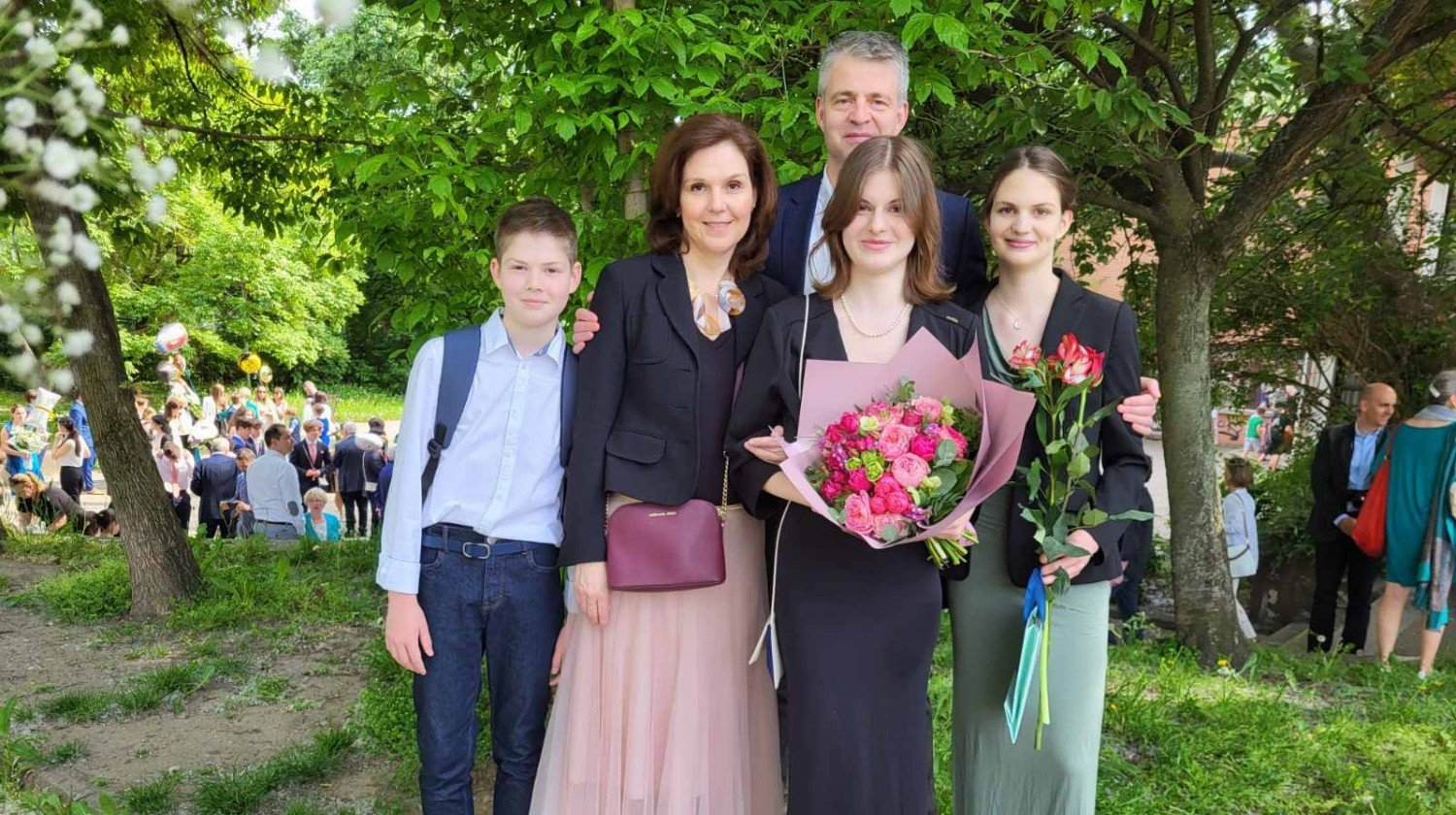
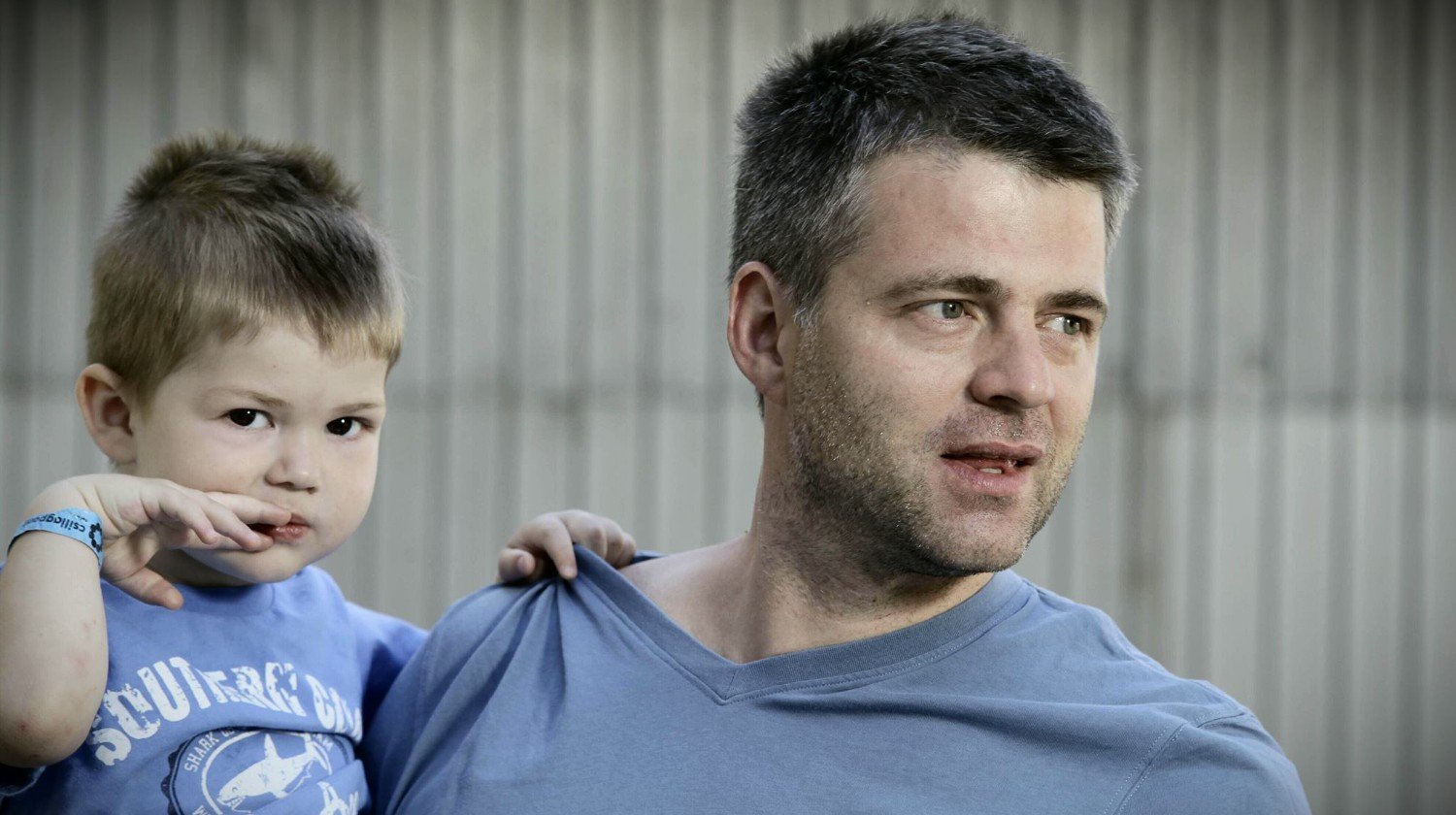
My name is Ádám Pásztory; I am a 53-year-old family man and father of four children.
I was advised to summarise the matter briefly at the start, as the story below is very detailed, but also very long. So, the gist of it in three sentences: the framework of my life up to now was unexpectedly and completely shattered by the illness, a type of brain tumour with a very poor prognosis. After the darkest moment, a glimmer of hope appeared: there is an experimental clinic in Germany where they are achieving real and significant results in the treatment of glioblastoma using immunotherapy. The treatment is very expensive, and the National Health Service cannot cover it, so now we find ourselves in the situation of trying to raise €85,000 through donations. If this succeeds, or if you read on, the story will get even longer.
Important!
We have received several reports that the payment system may be glitchy or prone to errors. Please don’t let this put you off; for some, the donation didn’t go through at first but arrived on the second attempt. In such cases, if the hourglass doesn’t stop or you encounter any other issues, close the window, open a new one, and initiate a new payment. Your donation won’t be charged twice, but if it does happen, we can refund it.
The illness
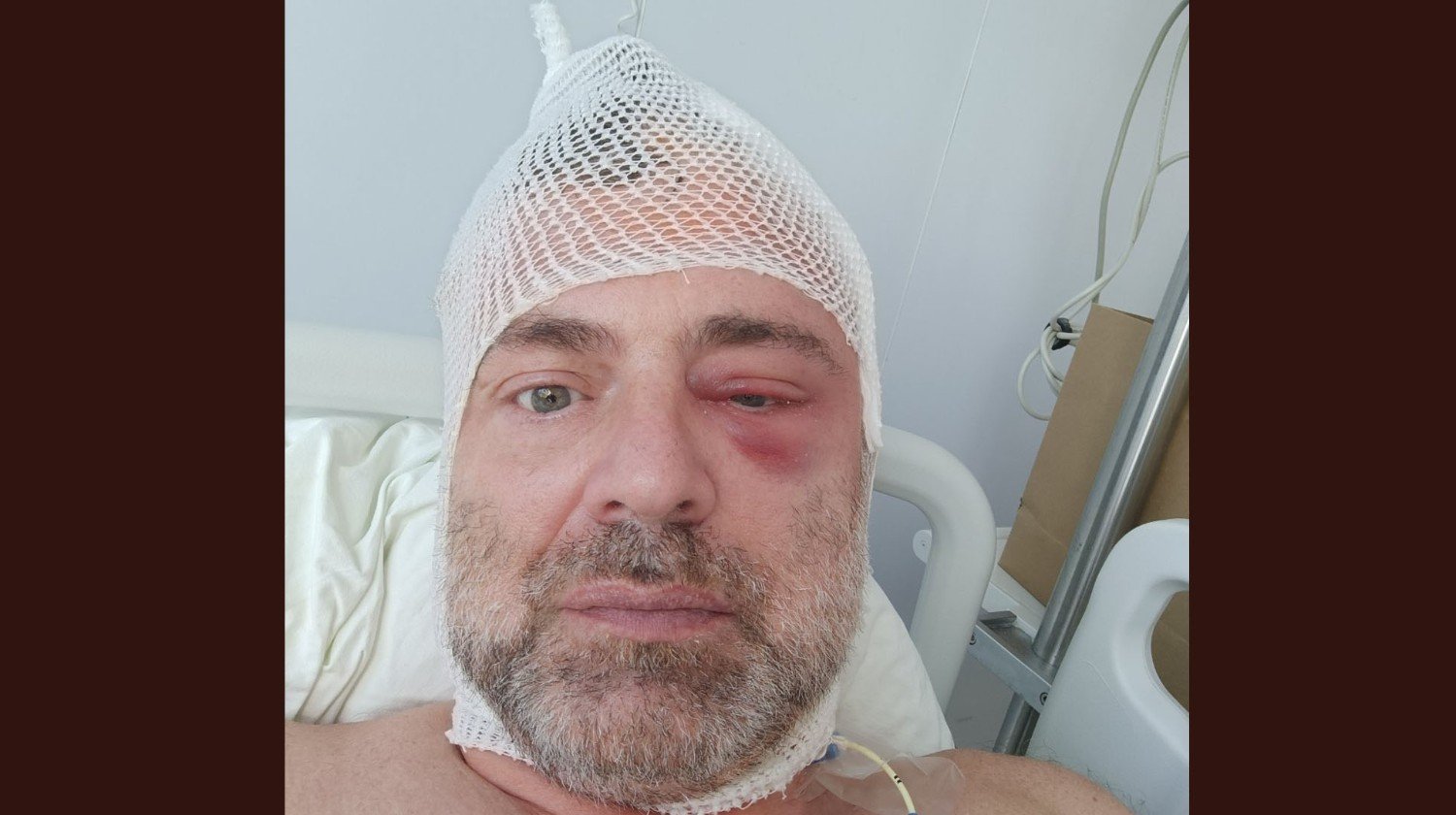
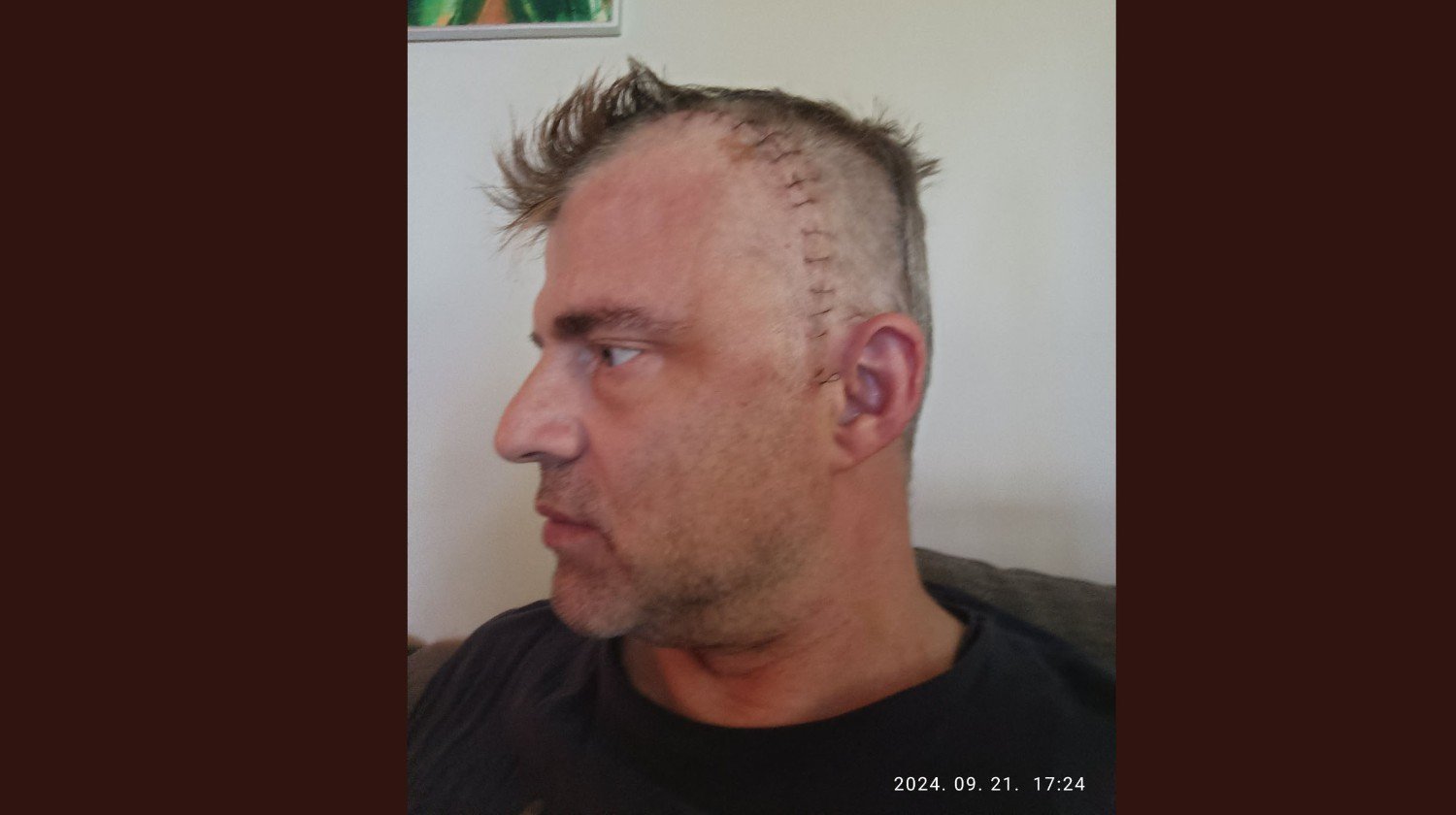
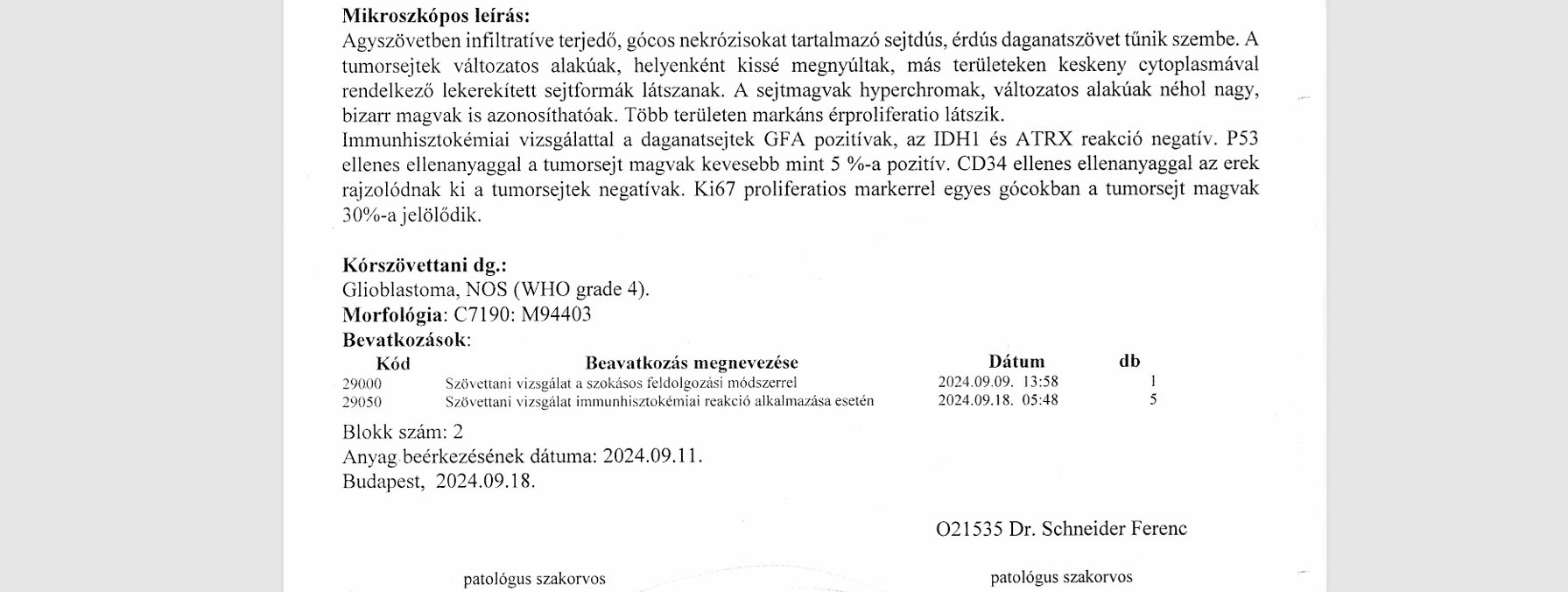
In August 2024, a relentless wave of headaches began, escalating to the point of visual disturbances and fainting. Ultimately, on 6 September 2024, a CT scan ordered at the János Hospital A&E revealed that I had a brain tumour. My attending physician, Dr Levente Ilyés, performed a successful, complication-free operation on me on 9 September 2024. My recovery from the operation was rapid and successful, but unfortunately, that was not the end of the story. On 24 September 2024, during the removal of my stitches, I was informed of the histopathology results: I have glioblastoma, NOS (WHO grade 4). The doctor informed me that the average survival time for this disease is 3–4 months without oncological treatment, and 10–15 months with treatment.
Why is the prognosis so poor if the tumour has already been removed?
Grade 4 glioblastoma is the most aggressive form of malignant brain tumour, and unfortunately, even if surgeons successfully remove the entire visible tumour during surgery, it is so aggressive that it almost always returns.
1) Due to the nature of the tumour: Glioblastoma can spread extremely rapidly to other parts of the brain, and at the time of diagnosis there are oftenmicroscopic tumour cells that cannot be completely removed during surgery, as they have spread throughout the brain tissue. These cells are not always visible on imaging tests, but the tumour may grow again and recur later.
2) Very aggressive growth: Glioblastoma cells divide extremely rapidly, so the disease often recurs, even if the surgery was successful.
3) Limited treatment options: Although radiotherapy and chemotherapy are available, these treatments are not always effective enough to completely destroy all remaining cancer cells. Glioblastoma cells are often resistant to these therapies.
This is why the patient remains at high risk even after the tumour has been removed.
Overall, statistics show that the survival time for people diagnosed with glioblastoma is generally 10–15 months, even after successful surgery and further treatment. Whilst there are individual cases where someone lives for a longer period, these are so rare that Google lists them by name as medical miracles.
Immunotherapy – a lifeline of hope
After the initial shock, a friend put me in touch with a man of my own age who had been diagnosed with the same stage of the disease in November 2023. His name is Zsolt, and he told me that, alongside his oncological treatment, he is taking part in a programme at a German clinic where cancer patients are treated using so-called immunotherapy. The procedure was developed from the method devised by Ralph Steinman, a Canadian immunologist and cell biologist and winner of the Nobel Prize in Physiology or Medicine. A detailed presentation of the treatment method used by the clinic and the excellent results achieved so far has also been published in Nature magazine, the leading source of the most outstanding scientific research. The significance of the procedure is demonstrated by the fact that it has been approved by the FDA, the US Food and Drug Administration.
In layman’s terms, this involves ‘awakening’ the patient’s immune system to fight off the invaders through a so-called neoantigen-specific T-cell response triggered by a specialised vaccine designed specifically on the basis of the tumour and the patient’s genetic characteristics. This means that, following clinical trials, patients are provided with a personalised medicine or vaccine tailored specifically to their own genetic profile, produced with the same rigour and under the same manufacturing conditions as a commonly used medicine.
Survival rates
According to the clinic’s statistics, for all patients treated, there is a 95% chance of survival for at least 32 months; however, given my age and the current stage of my illness, based on the statistics to date , I have a good chance of being among those treated who have been with us for 60 months, and hopefully will remain so for a very long time! This figure stands at 54% of all those treated, bearing in mind that the patients who have died in the meantime include those who lost their lives for other reasons (Covid, other illnesses, age, etc.).
Costs
Due to the clinic’s experimental status, as well as the complexity, personalised nature and quality of the procedure, the cost of immunotherapy is high. The basic treatment costs 80,000 euros. I need to travel to the clinic in Germany for a total of 11 treatments, usually with a companion; the estimated travel and accommodation costs for this amount to a further 5,000 euros.
Is there no such therapy available in Hungary?
It may well be that scientific and medical circles have high hopes for immunotherapy, but in my country this method and technology are still in their infancy; complex, effective oncological treatment similar to the German procedure is not available. Indeed, although several clinics in Europe and overseas do use some form of immunotherapy, given the clinic’s methods and results, it can be said that currently, one of the most advanced, personalised (immunotherapy) treatments for cancer and glioblastoma in the world, offering the highest standards of medical science and technology, and geographically speaking, the closest option is right here.
OK, it’s not available in Hungary, but does the Hungarian state at least support this treatment?
Despite the fact that, from a medical point of view, the findings described in the Nature article are entirely valid, according to the procedures of the National Health Insurance Fund (NEAK), as this is an experimental clinic, this treatment is currently not eligible for funding.
Treatment schedule
Official registration took place on 4 October 2024.
What happens next?
1. Delivery of the tissue sample and fresh blood sample to the clinic.
2. The clinic will check the samples received and, using their DNA profile and the institute’s genetic database, the laboratory will begin preparing the so-called peptide chain—which will serve as the basis for the subsequent vaccination—following payment of 20,000 euros. This process takes 3–4 weeks.
3. Once the peptide chain is ready, serum production begins following payment of 60,000 euros. This takes 2.5–3.5 months.
4. Once the serum is ready, travel to Germany for a 4–5-day course of clinical vaccination treatment.
5. Return to Hungary.
6. Ten trips to Germany at six-week intervals, where booster vaccinations are administered as part of the clinical treatment, and the immune monitoring process begins, during which doctors examine and optimise the immune response. The total duration of treatment is therefore 15–16 months.
Before and alongside the immunotherapy in Germany, I will also receive conventional oncological treatment (chemotherapy + radiotherapy). I made my first visit to the oncology institute on 1 October 2024, and my treatment will begin on 14 October.
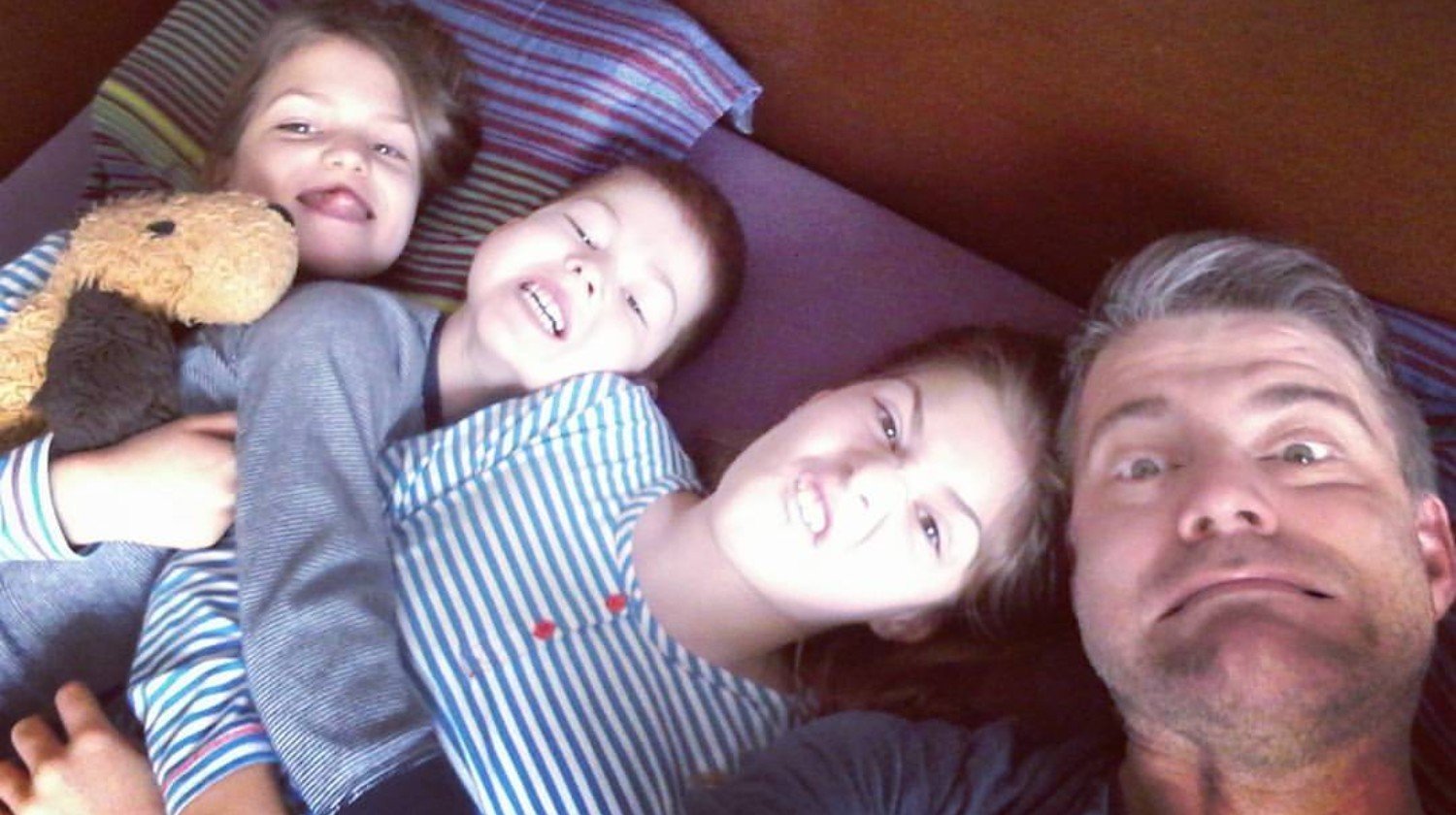
All this from the inside
This summary has not touched upon the psychological and emotional aspects of the illness, yet it is likely that most people reading this story will be faced with that difficult, unwelcome question: what would I think, what would I do in this situation? Even the operation and hospital treatment provided incredible experiences, but the medical diagnosis on 24 September led to an inner struggle I had never experienced before. It is a very fresh memory; I find it difficult to put into words what happened to me, within me, in this situation. The devout, religious reader will understand if I say Coram Deo, to stand before God. I could also quote a poem by Sándor Weöres here, which, tailored to my spiritual nature, conveys much of this moment. https://deske.hu/iras/html-2008/weores-elet-vegen.htm
Repeating the poem’s final line, I cannot put it any other way: this struggle has brought about an awakening, an undeniable rebirth, which is strengthened and nourished within me day by day by the love radiating towards me from people, my loved ones, my friends and the unfolding events. I believe that this mental strength, this faith in recovery and in the future, is key in the fight against cancer. Especially when it comes to such a labyrinthine, multi-stage process as immunotherapy.
On that night, as Tuesday turned into Wednesday, after feeling completely shattered, I found the strength to fight and to live life to the full, however much of it remains. I take comfort in the fact that I spoke to Zsolt the very next day, and by Saturday it had been confirmed that the German clinic would accept me – these were responses to my persistence. The sequence of events described above has filled me with strength and determination. I feel that, although the illness has forced me onto a predetermined path, I am now walking my own path; I have found a cure, a way forward in my life, which fills me with real hope and a future. I believe this is the most important thing, as it is this that determines the success of raising the necessary funds.
Summary
· Both my age and my current physical and mental condition make me a true fighter.
· The tumour was removed early and very effectively through neurosurgery.
· Thanks to timely oncological treatment and a strict diet, the spread of cancer cells can be slowed down.
· The clinic has accepted me into the programme, which means that, if all goes well, I could receive my first vaccinations as early as January 2025. Through this treatment, I can continue living this new life and fully embrace the values that this illness has made me realise.
Based on all this, I am convinced that this project is life-saving. I am open to any solution regarding the funding of the treatment in Germany, and I would like to thank you in advance if you support my fight with financial means and help pave the way for my future.
If you have any questions regarding the illness or the treatment, I would be happy to speak to you in person!
Email: [email protected]
Mobile: 06 30 577 4019
Service announcement:
How can you donate?
The donation process is extremely simple and takes just one minute, but you can also read a detailed guide here:
1) Look for the red "Donate" button; on a desktop or laptop, it’s in the right-hand sidebar at the top of the page, and on a mobile, it’s pinned to the bottom of the screen. After clicking, you’ll first need to select an amount; alongside the most popular options, you can enter any amount you’d like to donate under "Other amount". Donations can be sent in euros; we chose this platform partly because neither your bank nor Revolut will charge you high fees for this, and payments to the clinic must also be made in euros, so we don’t lose valuable forints in the exchange.
2) After entering the amount, you can select your payment method; if you have Revolut or a similar app, that is probably best, but we have also tested standard bank card payments and, for a €5 donation, Erste Bank charged 2014 forints compared to the mid-market rate of 2007 forints, so the conversion fee is just 7 HUF per 5 euros (at the exchange rate of 3 October 2024).
3) Next, under the ‘Supportthe 4fund.comteam’ section, you can decide whether you’d like to support the site itself or the fundraising platform. By dragging the slider (set to 20% by default) left or right, you can adjust the amount of your support (you are not obliged to support the platform); this amount is therefore not donated to me, but to the development company.
4) Next, scroll down, enter your email address and, if you wish, your name
5) Finally, click the ‘Donate’ button to start the familiar card payment process.
Why does the transfer have to be in euros? Won’t that cost a lot?
In short: not at all. The campaign is in euros because the treatment fee must be paid to the clinic in euros, and when paying by credit or debit card, the bank even uses a rate very close to the mid-market rate, so this way the largest portion of your donation is retained. On 3 October 2024, we tested the exchange rate with Erste Bank, and when making a €5 credit card payment, Erste charged 2014 forints against the mid-market rate of 2007 (401.48 HUF), so the exchange fee was just 7 HUF per 5 euros (at the exchange rate on 3 October 2024).
And if you transfer via Revolut or one of the other methods offered, the exchange rate could be even more favourable. We can then transfer the full amount to the clinic in euros, so no exchange rate loss is incurred that would reduce the value of your donations. This is a very important consideration given the current euro rate, which is now over 400 forints, because by the end of the fundraising campaign, the forint could depreciate by as much as 3–4% against the euro; this way, however, the depreciation of the forint will not reduce the value of your donations in any way.
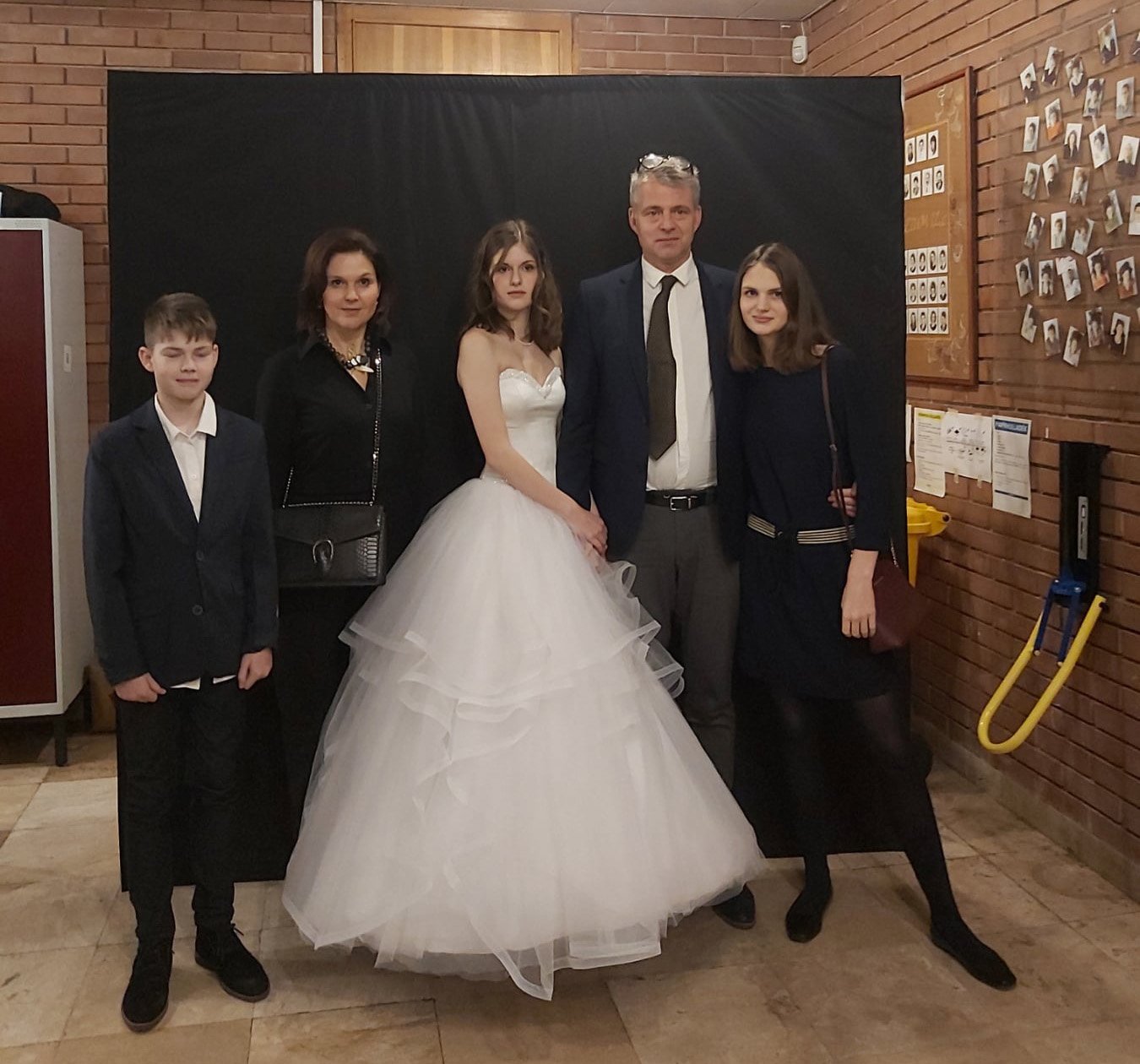
Köszönet a Gondolatkertész-interjúban elmondottakért. Példaértékű. Sokszor meg fogom még hallgatni.
Köszöntsön Rád a napsütötte Vilnius tavasszal! Gyógyulj meg, Ádám!
Szia Zsuzsa! Mint tudjuk, fejben dől el! :) Nagyon jól esett, hogy írtál! Majd felnézek Neked is az égre, onnan, Vilniusból!
Szorítok, hogy minden jól menjen!
Adjon az Úr sok erőt és teljes gyógyulást!
Ámen :)
Mindenből egy vagonnal kívánok, ami a gyógyuláshoz kell! Nagyon szorítok!
Szuper, a mozdonyom mögé kötöm azt a vagont!