id: 72uxjc

Building an AI Life Mentor Powered by Practical Wisdom

Building an AI Life Mentor Powered by Practical Wisdom

Description

Join Me in Building an AI Life Mentor Powered by Practical Wisdom.

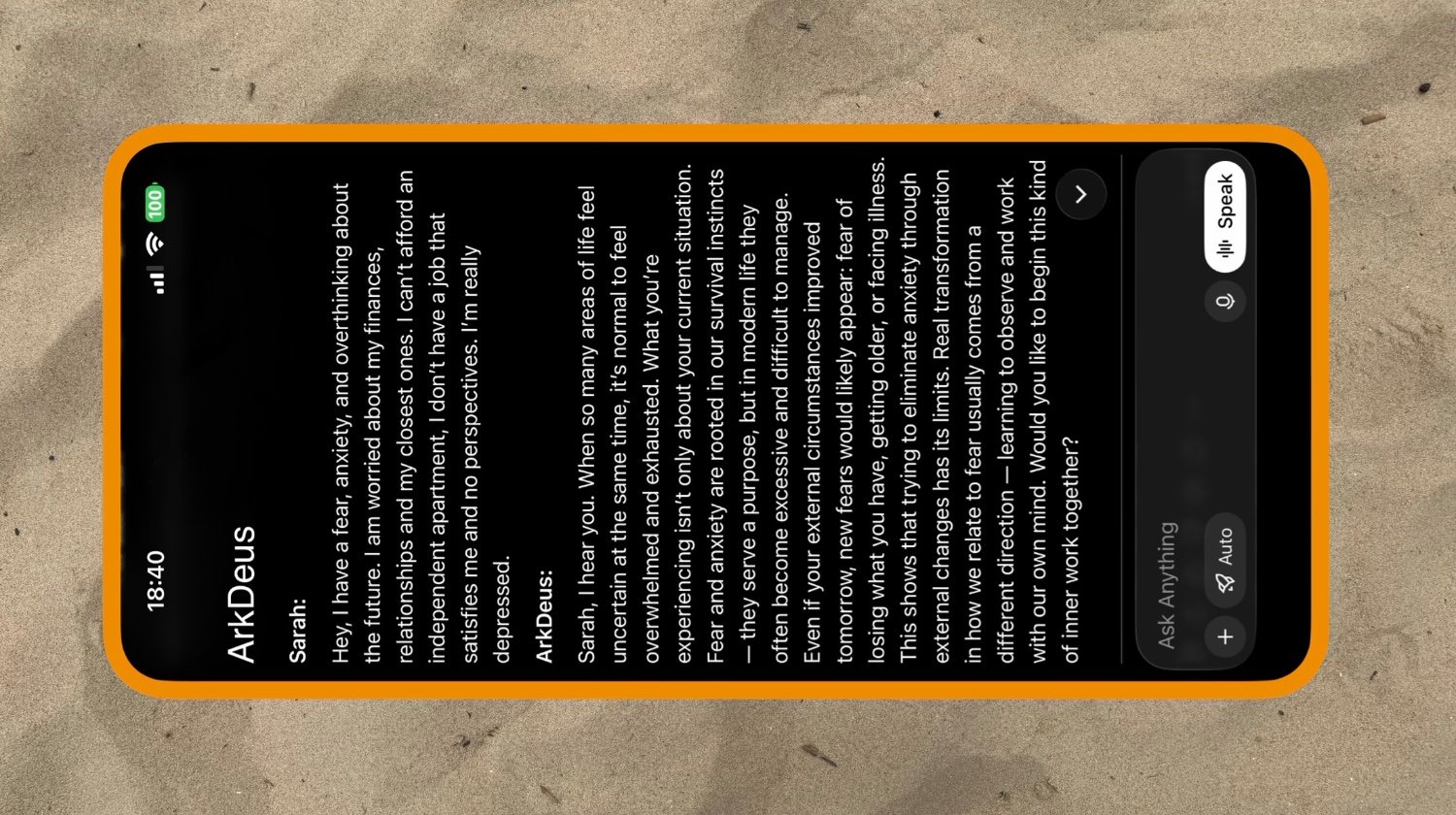
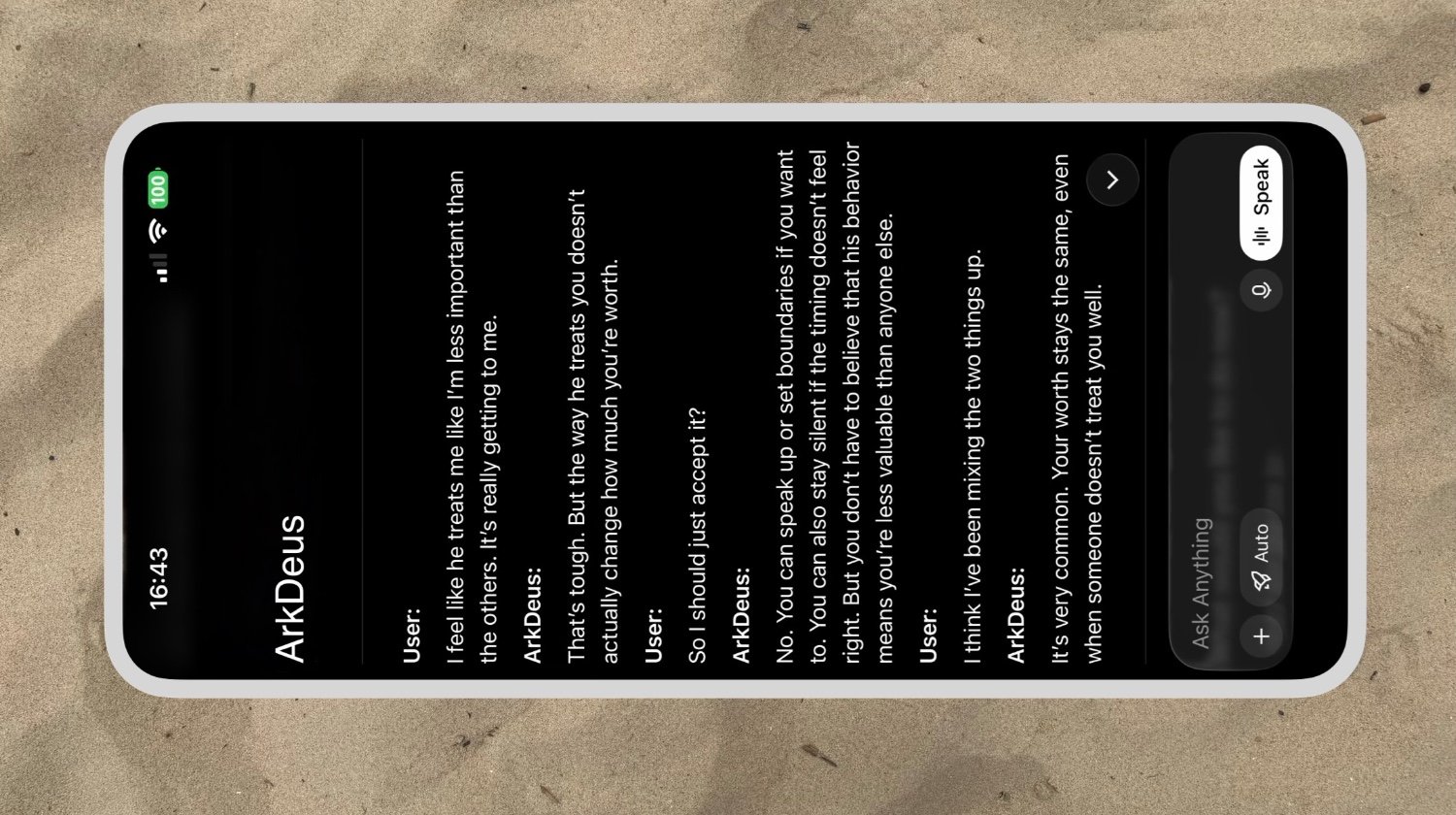
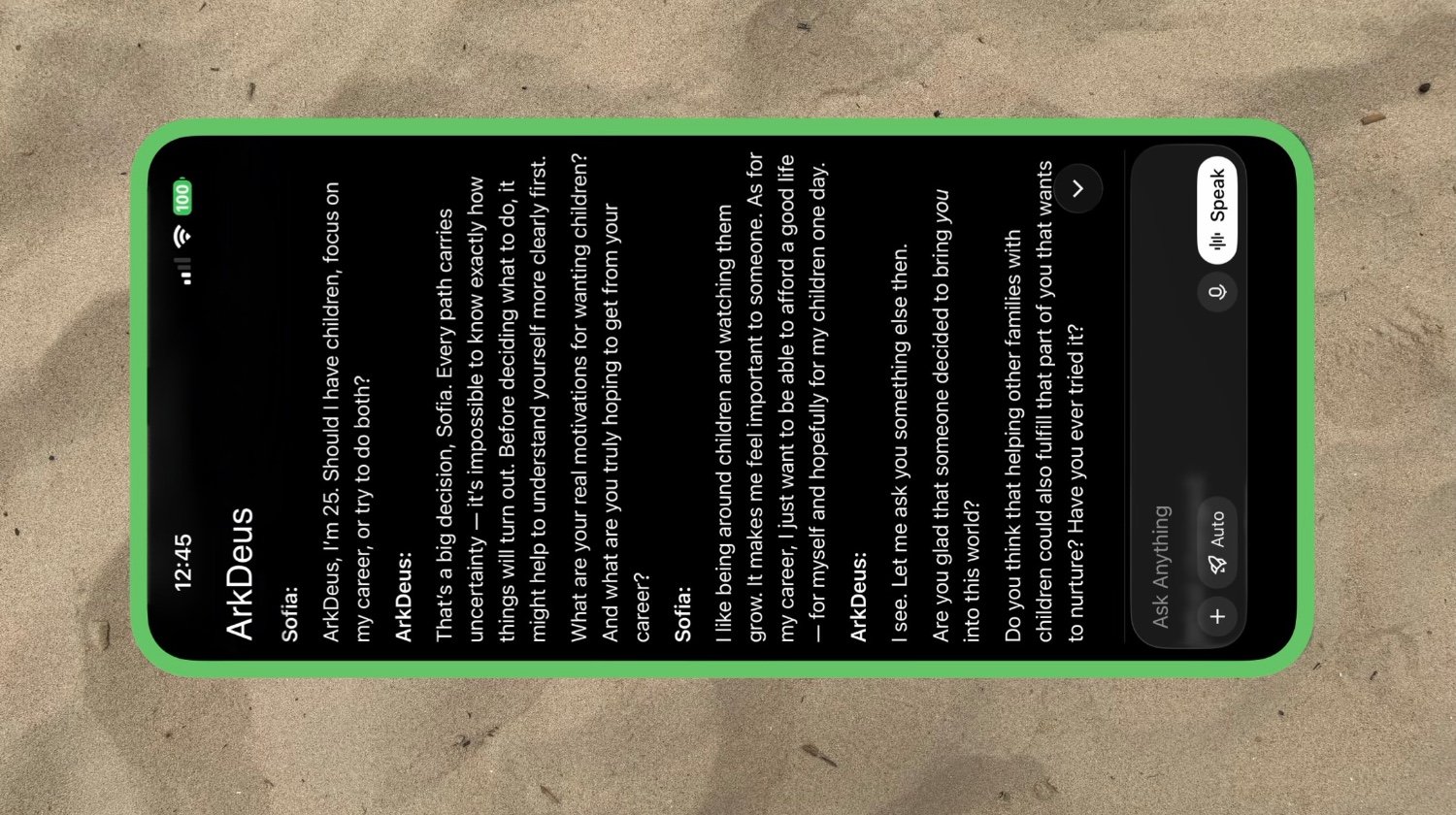
Imagine one day you or your loved ones face a difficult emotional challenge. Instead of waiting weeks for help, you simply reach for your phone and instantly talk to the best AI Life Mentor in the world — available 24/7, compassionate, and powered by Practical Wisdom.

———————————————————————

Beyond supporting individuals, the system can also serve as a powerful educational and professional development tool. It can help psychologists, psychotherapists, philosophers, spiritual counselors, and other professionals deepen their understanding of complex human concepts, refine their reasoning, and continuously improve their professional knowledge and practice through structured, wisdom-based analysis.

———————————————————————

For more than 20 years I have been professionally developing Practical Wisdom frameworks. From them, I create clear, usable tools that help people build better relationships and dramatically improve their emotional well-being.

What distinguishes this AI Life Mentor is the depth and precision of the Practical Wisdom frameworks it operates with. These frameworks include carefully developed definitions of core human values such as love, justice, and dignity — concepts I have been refining for over two decades. This philosophical foundation gives the system a level of depth that no current system or framework comes close to matching.

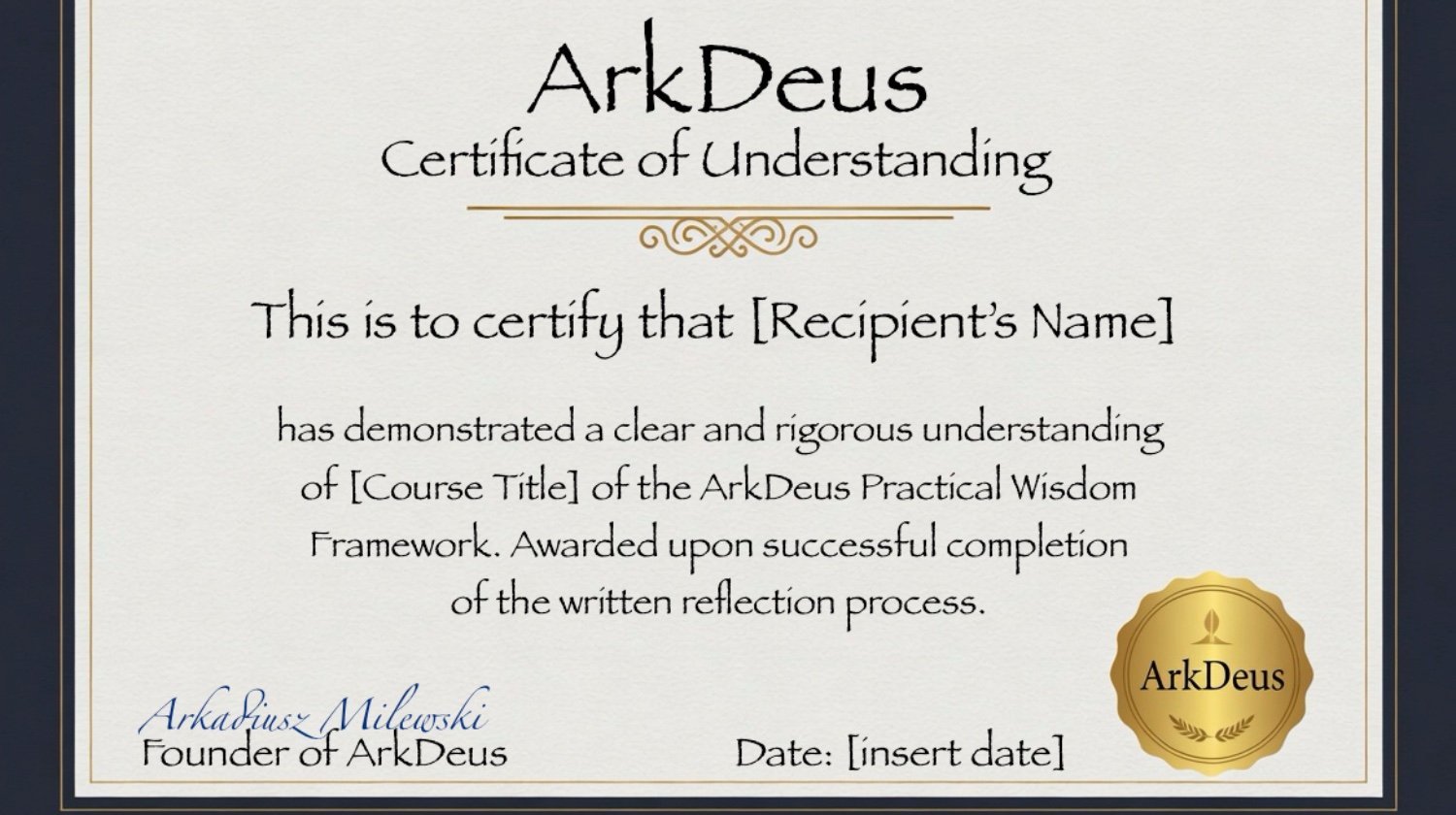
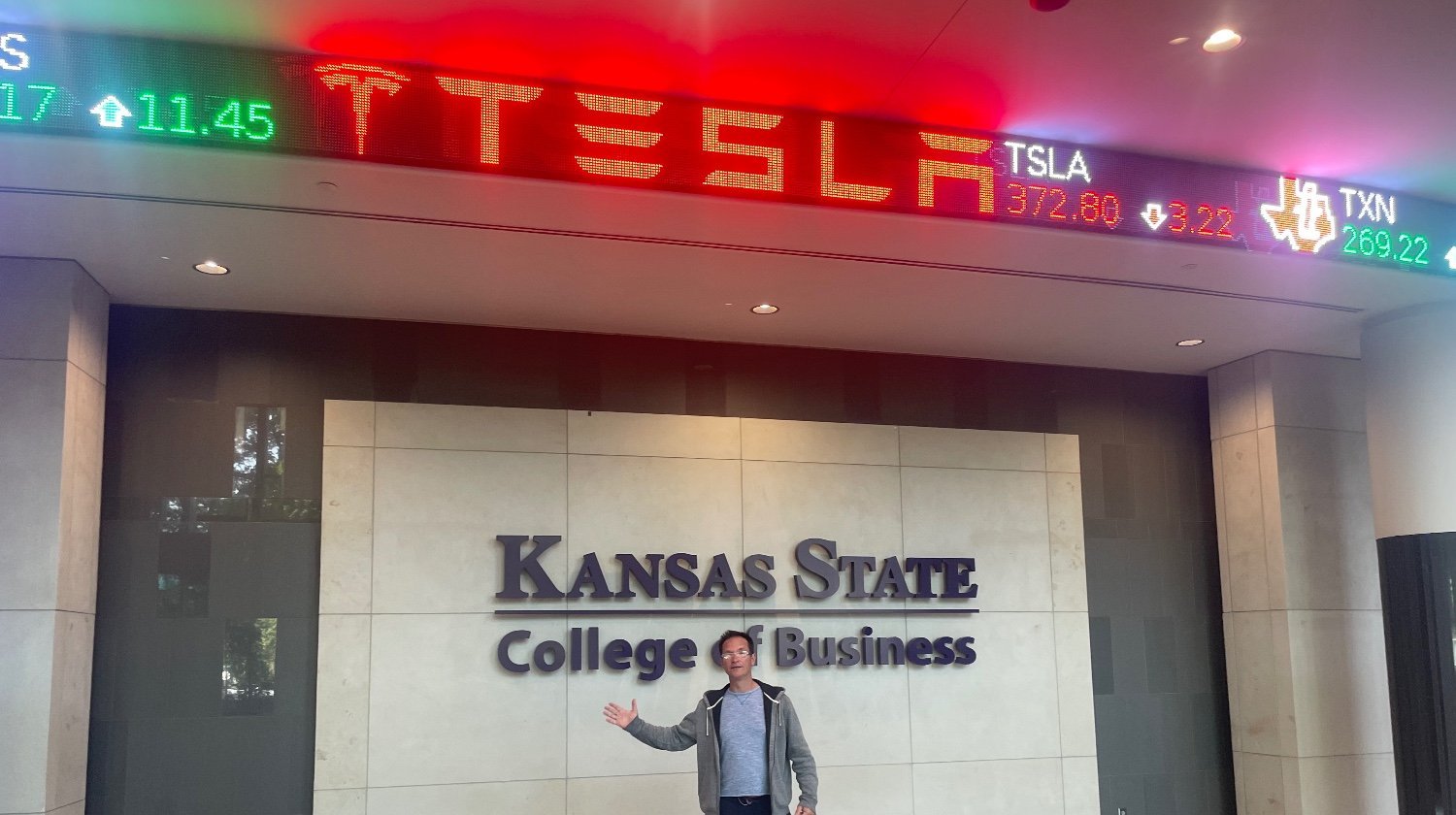
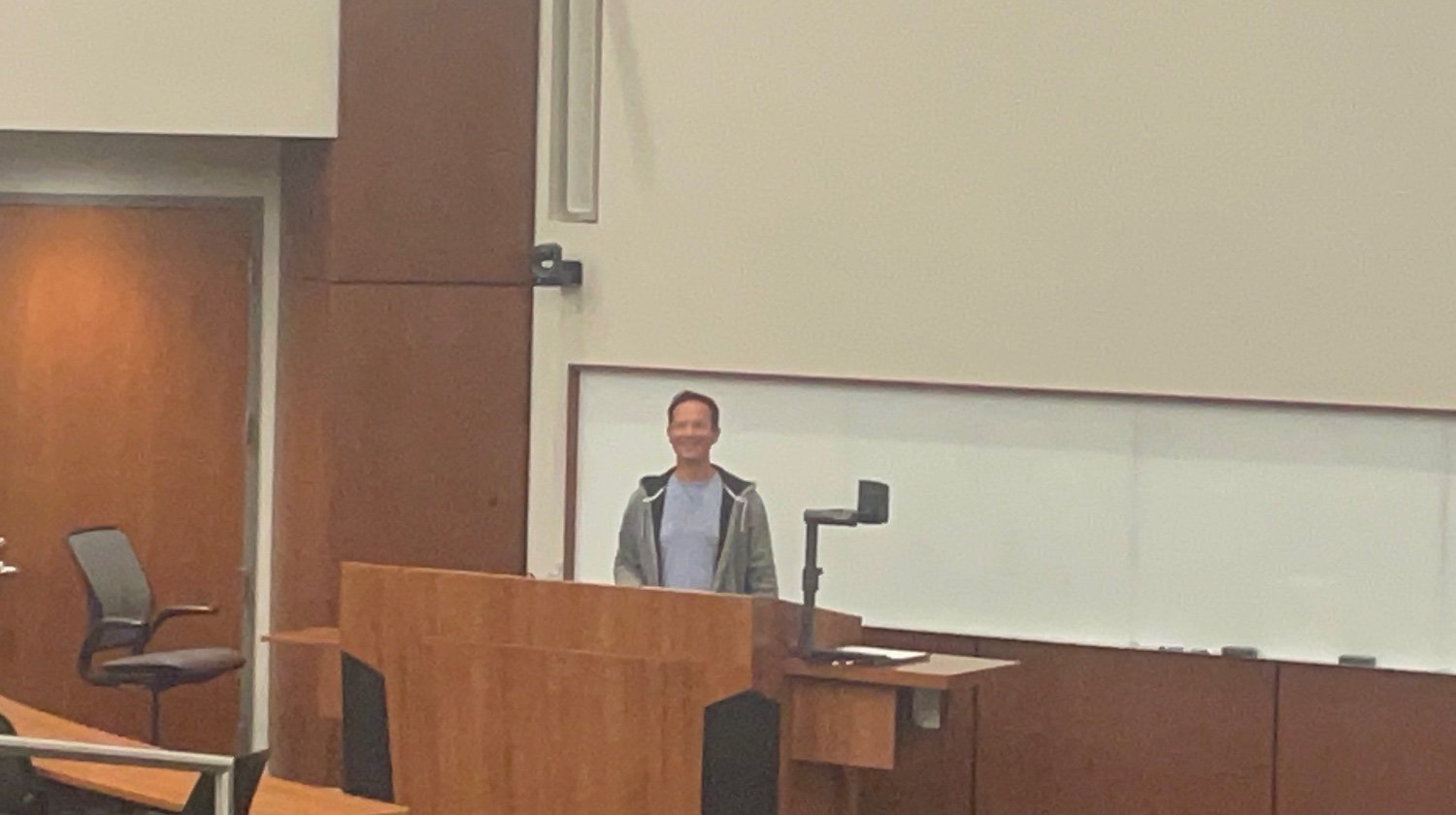
I have already delivered the first framework to a university in the USA for expert feedback.

Your support — whether one-time or monthly — will allow us to complete the materials and build this transformative AI tool so it can reach and help thousands of people.

Thank you for being part of this journey toward a wiser, healthier, and more just society.

———————————————————————


Tech Volunteer Q&A

This section is dedicated to technical questions about the project. We are currently looking for volunteers who can help build the MVP. If you have experience in AI, backend development, or are willing to learn while contributing, feel free to review the questions below.


What kind of technical support are you looking for?

At this stage, we are looking for a volunteer who can contribute in their spare time to help build the MVP (Minimum Viable Product) of the voice-based AI assistant. We are aware that a senior-level AI engineer would normally be compensated in the range of €60–€90 per hour. However, because this is still an early-stage non-profit initiative where everyone involved is contributing on a voluntary basis, we are currently unable to offer financial compensation.

We are primarily looking for someone with relevant technical experience. However, motivated individuals who do not yet possess all the required skills but are eager to learn and develop them through hands-on work are also welcome to apply. This project can serve as a valuable learning opportunity for those who want to gain practical experience in building AI systems.


What technical skills and experience are required?

We are looking for someone with the following qualifications:

• Strong experience in building AI applications using Large Language Models (LLMs)

• Experience with Retrieval-Augmented Generation (RAG) systems

• Solid backend development skills (Python preferred)

• Experience with voice interfaces (speech-to-text and text-to-speech integration) is a significant advantage

• Ability to work independently and take technical ownership of the MVP

While the above skills are highly desirable, candidates who are willing to learn these technologies while contributing to the project are also encouraged to apply.


What will the volunteer be responsible for?

The volunteer will work on building the technical foundation of the MVP, including:

• Designing and implementing the backend architecture

• Developing the retrieval system connected to the Asset Constitution

• Ensuring the AI stays strictly within the defined philosophical framework

• Integrating speech-to-text and text-to-speech functionality

• Making key technical decisions regarding the system’s structure


Is this a full-time commitment?

No. This is a part-time volunteer role. The work can be done flexibly according to the volunteer’s availability. We expect consistent progress, but we understand that the person will be contributing in their spare time.


Is there any possibility of future compensation?

Yes. If the collaboration is successful and the project receives funding or generates revenue, we are open to discussing paid work or other forms of compensation in the future. However, there is no guarantee at this stage.


How can someone apply?

If you have relevant experience (or a strong interest in developing these skills) and would like to contribute as a volunteer, please send an email with:

• Your CV or LinkedIn profile

• A short note explaining why you’re interested in this project

• Examples of previous AI or backend projects, if available

We are looking for someone who is not only technically capable (or motivated to learn), but also genuinely interested in the philosophical foundation of the project.

———————————————————————


Tech Q&A

This section contains technical questions and answers about how the system is being built. It covers topics such as system architecture, how the AI interacts with the philosophical framework, and technical decisions behind the project.


How is the Asset Constitution currently structured and stored?

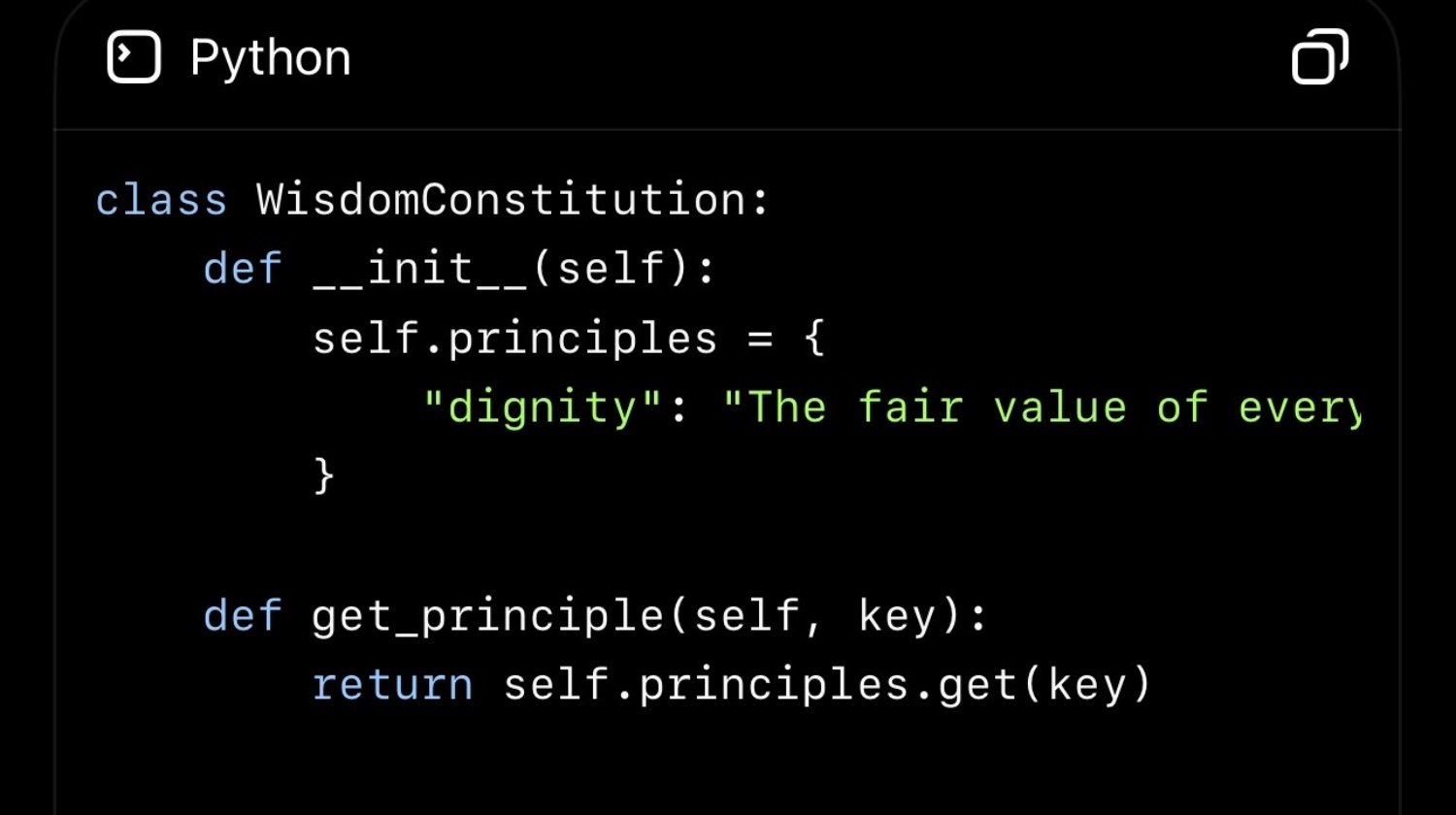
The Asset Constitution is stored as individual Markdown files, with one file per core concept. For example:

• /assets/dignity.md

• /assets/friendship.md

• /assets/justice.md

Each file contains a structured definition of the asset, including its core definition, what it implies, and what it does not imply. This format makes the content easy to read, version-control, and retrieve programmatically.


Can you give an example of how an asset is defined in the system?

Yes. Here’s an example of the current structure for the asset Dignity:

Asset: Dignity

Definition:

The fair value of every conscious being is the same.

Implications:

• All conscious beings have equal dignity.

Does NOT imply:

• Equal treatment in all contexts

• Equal trust or responsibility

This structured format helps the AI understand not only what a concept means, but also its boundaries — what it includes and what it excludes.


What is the technical architecture of the current MVP?

The MVP follows this flow:

User speaks into the mobile app → Speech is converted to text → Text is sent to the backend → Relevant parts of the Asset Constitution are retrieved → An LLM analyzes the question using only the retrieved constitutional content → A response is generated and converted back into speech.

The most critical technical component is the retrieval system, which ensures the AI only has access to approved philosophical definitions and rules.


What does MVP mean in this project?

MVP stands for Minimum Viable Product. In this context, it refers to the first working version of the voice-based AI assistant. The goal of the MVP is to prove that the AI can reliably reason using the Asset Constitution and refuse to answer when the framework does not contain enough information. It is not a full product yet — it is a functional prototype designed to test the core idea.


What is the relationship between the Asset Constitution and Practical Wisdom frameworks?

Practical Wisdom is a proprietary philosophical system that I have been developing for over 20 years. Within this system, I create structured frameworks designed to analyze fundamental human concepts. The Asset Constitution is the main operational framework currently being developed for the AI. It treats concepts such as dignity, justice, friendship, and love as objective assets and provides the structured definitions and rules that the AI must follow when analyzing user questions.


How does the AI ensure it stays strictly within the Asset Constitution?

The system is designed as a constitution-bound reasoning engine. Before generating a response, it first retrieves relevant entries from the Asset Constitution. The AI is then explicitly instructed to base its answer only on the retrieved content. If the retrieved information is insufficient, the model is required to refuse to answer rather than improvise or use its general knowledge.


Why is the refusal mechanism important in this system?

Unlike most AI assistants that attempt to answer every question, this system prioritizes philosophical consistency and integrity over completeness. By refusing to answer when the Asset Constitution does not provide sufficient clarity, we reduce the risk of the AI giving misleading, biased, or philosophically inconsistent responses.

———————————————————————


General Q&A

This section contains general questions about the project, its philosophy, goals, and development. If you have questions about the vision, the meaning behind the work, or how the project is progressing, you’ll likely find the answers here.


How is your approach to philosophy different from traditional philosophy?

One particularly interesting direction is that I treat philosophical concepts somewhat analogously to economic assets. In my Practical Wisdom frameworks, I am answering key questions such as:

Can trust be invested?

Can wisdom compound?

Can justice deficits accumulate?

Can love be created?

Can friendship be depleted?

Which assets are fragile?

Which assets are resilient?

This gives the framework practical analytical power. I treat love, friendship, justice, wisdom, dignity, and similar concepts as objective assets. Therefore, my AI Life Mentor is not merely helping users clarify preferences. It is helping them identify and interact with aspects of reality that have value, regardless of whether someone recognizes that value.


What is the biggest challenge in building this AI Life Mentor?

The hardest problem won’t be the AI itself. It is philosophical formalization. For an AI to apply my framework consistently, concepts must be specified with enough precision that two different conversations lead to similar conclusions.

For example:

What exactly is friendship?

What distinguishes friendship from acquaintance?

What conditions must be present?

What conditions destroy it?

Can friendship exist unilaterally?

The more precisely these questions are answered, the better the AI Life Mentor becomes and the more effectively it helps people.


What makes your project different from other AI assistants or mental health apps?

The real value lies in my philosophical frameworks. The AI is simply the mechanism that makes them accessible, personalized, and scalable. I am not competing with every AI assistant. People come because of my framework; the AI becomes the medium through which they interact with it.

For example:

The value of a navigation app isn’t the GPS chip — it’s the map and routing system.

The value of a language-learning app isn’t the smartphone — it’s the learning methodology.

In my case, the value lies in the Asset Constitution and the reasoning framework. The AI’s job is to deliver that framework conversationally.


Could you share an example of one of your Practical Wisdom frameworks?

Here is the detailed summary of the first framework from my Practical Wisdom system, which I shared with a university in the USA for expert feedback:


THE FAIR VALUE

A Philosophical Framework for Human Dignity, Relational Ethics, and Social Order

Authored by Arkadiusz Milewski


EXECUTIVE SUMMARY

“THE FAIR VALUE” is a normative philosophical framework grounded in a single foundational claim:

The fair value of every conscious being is the same and is called dignity.

From this axiom, the framework develops a coherent ethical system that addresses:

• Human dignity as absolute and equal

• The moral logic of relationships, especially intimate ones

• The structure of fairness in human interactions

• The conditions for a just and coherent society

The framework proposes that true fairness requires consistency in how dignity is recognized and enacted, especially in:

• Life partnership

• Sexual ethics

• Social inclusion

• Representation of humanity

It introduces a radical yet internally consistent claim:

! If dignity is truly equal across all conscious beings, then the choice of intimacy must either be extended equally to all conscious beings or limited to one.

Because extending intimacy equally to all is unrealistic, the framework concludes that the only fair structure is exclusive life partnership (or none).

Additionally, the framework integrates:

• A biological ontology of sex (male/female) as foundational for representation

• A symbolic anthropology of partnership, where each partner represents their entire gender

• A critique of objectification, replacing it with dignity-centered ethics

Ultimately, the framework aims to:

✅ Re-anchor moral philosophy in objective dignity

✅ Provide a coherent ethical model for relationships

✅ Offer a foundation for a just and non-objectifying society

I. OVERALL FRAMEWORK VIEW

1. Primary Audience

This framework is designed for:

University Professors in:

o Philosophy (Ethics, Metaphysics, Anthropology)

o Theology (Moral Theology, Christian Anthropology)

o Psychology (Relational and Developmental Psychology)

o Spirituality and Human Formation

Secondary audiences:

• Advanced students

• Academic researchers

• Curriculum designers

2. General Objective

To equip educators with a coherent teaching framework that:

• Defines human dignity as equal and non-negotiable

• Explains relational ethics through fairness

• Challenges modern objectification paradigms

• Proposes a vision of social harmony grounded in dignity

3. Core Philosophical Thesis

• Every conscious being possesses equal dignity

• Ethical action must reflect this equality consistently

• Any deviation introduces injustice or objectification

4. Pedagogical Orientation

Professors are encouraged to:

• Present the framework as a provocative ethical system

• Facilitate critical dialogue

• Compare with:

o Kantian dignity ethics

o Personalism

o Natural law theory

o Contemporary identity theories

5. Framework Summary

The framework develops across three layers:

A. Ontological Foundation

• Equal dignity of all conscious beings

B. Relational Ethics

• Exclusive partnership as fairness

• Rejection of selective objectification

C. Social Implications

• Representation of humanity through relational structures

• Stability and coherence in society

II. ENGAGEMENT MODEL FOR

PROFESSORS

1. Teaching Integration

Professors can incorporate the framework into:

• Ethics courses (Justice, fairness, dignity)

• Theology (Marriage, anthropology)

• Psychology (Attachment, relational boundaries)

• Sociology (Social structures and norms)

2. Suggested Teaching Methods

• Case studies (relationship ethics)

• Structured debates:

o “Is exclusivity the only fair model?”

• Comparative analysis with modern ideologies

• Reflective essays on dignity and objectification

3. Learning Outcomes for Students

Students should be able to:

• Define dignity as equal and universal

• Evaluate fairness in relational ethics

• Identify objectification mechanisms

• Analyze social consequences of relational choices

III. STRUCTURE OF THE FRAMEWORK

(TEACHING SEQUENCE)

1. The Principle of Equal Dignity

Key Idea:

• All conscious beings share equal fair value

Academic Focus:

• Ontology of dignity

• Equality vs. differentiation

2. Criteria of Choice and Fairness

Key Idea:

• If dignity is the highest criterion → choices must reflect equality

Academic Focus:

• Decision theory

• Ethical consistency

3. Life Partnership as Ethical Structure

Key Idea:

• Only one partner (or none) preserves fairness

Academic Focus:

• Exclusive vs. plural relationships

• Moral coherence

4. Objectification vs. Dignity

Key Idea:

• Selecting based on traits = treating persons as objects

Academic Focus:

• Phenomenology of objectification

• Ethics of desire

5. Intimacy and Moral Boundaries

Key Idea:

• Intimate acts must align with dignity logic

Academic Focus:

• Ethics of sexuality

• Psychological boundaries

6. Representation of Humanity

Key Idea:

• Partners represent entire genders

Academic Focus:

• Symbolic anthropology

• Gender ontology

7. Biological Definition of Sex

Key Idea:

• Sex is defined biologically and verifiably

Academic Focus:

• Scientific ontology

• Epistemology of identity

8. Social and Ethical Implications

Key Idea:

• Stability requires consistency in dignity application

Academic Focus:

• Social ethics

• Justice theory

IV. ORIGINAL FRAMEWORK CONTENT

The complete original framework document I sent to the university is available exclusively to VIP donors as a special thank-you for their significant support.

V. RELATION TO STRUCTURAL MODEL

This manual follows the pedagogical and structural logic of the workshop framework while adapting it to a university-level philosophical framework.

VI. FINAL NOTE FOR PROFESSORS

“THE FAIR VALUE” is presented as a coherent and internally consistent ethical framework grounded in the principle of equal dignity. It is intended to serve as a rigorous basis for academic analysis, critical dialogue, and philosophical evaluation, particularly in examining the implications of dignity for human relationships and social structures.

As such, it functions as:

• a provocative ethical system inviting serious intellectual engagement,

• a tool for deep academic dialogue, and

• a framework that challenges prevailing assumptions about dignity and fairness.


Benefits of a recurring donations:
The Organiser receives 100% of your funds - we do not charge any fee
You remain in full control - you can stop the support at any time without any obligations
The Organiser can fully focus on his work
You get permanent access to posts and a special distinction
You don't have to remember about the next payments
It's easier than you think :)

Comments

 
2500 characters
Zrzutka - Brak zdjęć

No comments yet, be first to comment!

We prioritize safety. If you have any concerns, please report this fundraiser using