Original Hungarian text translated into English
Original Hungarian text translated into English
Description
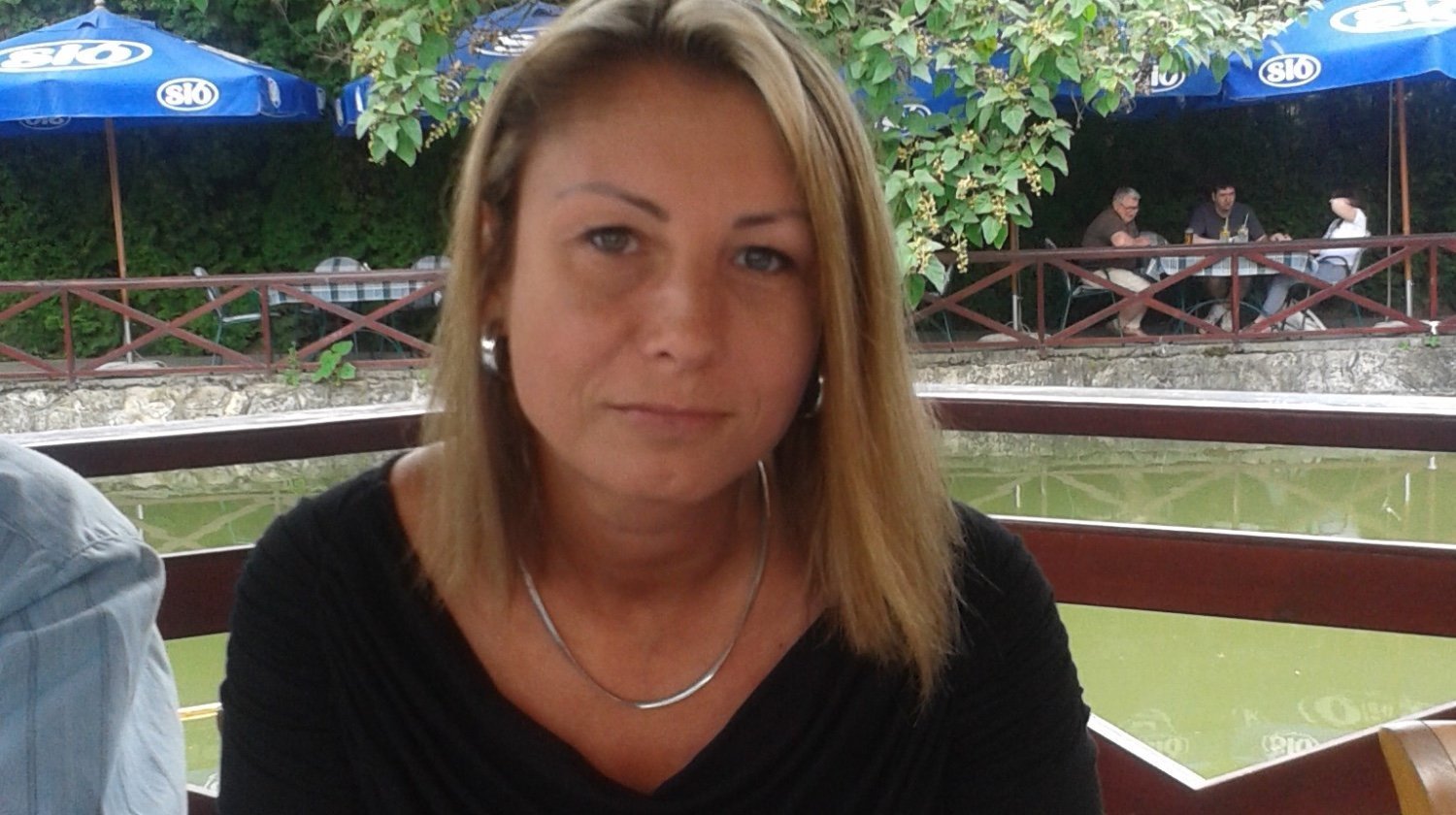
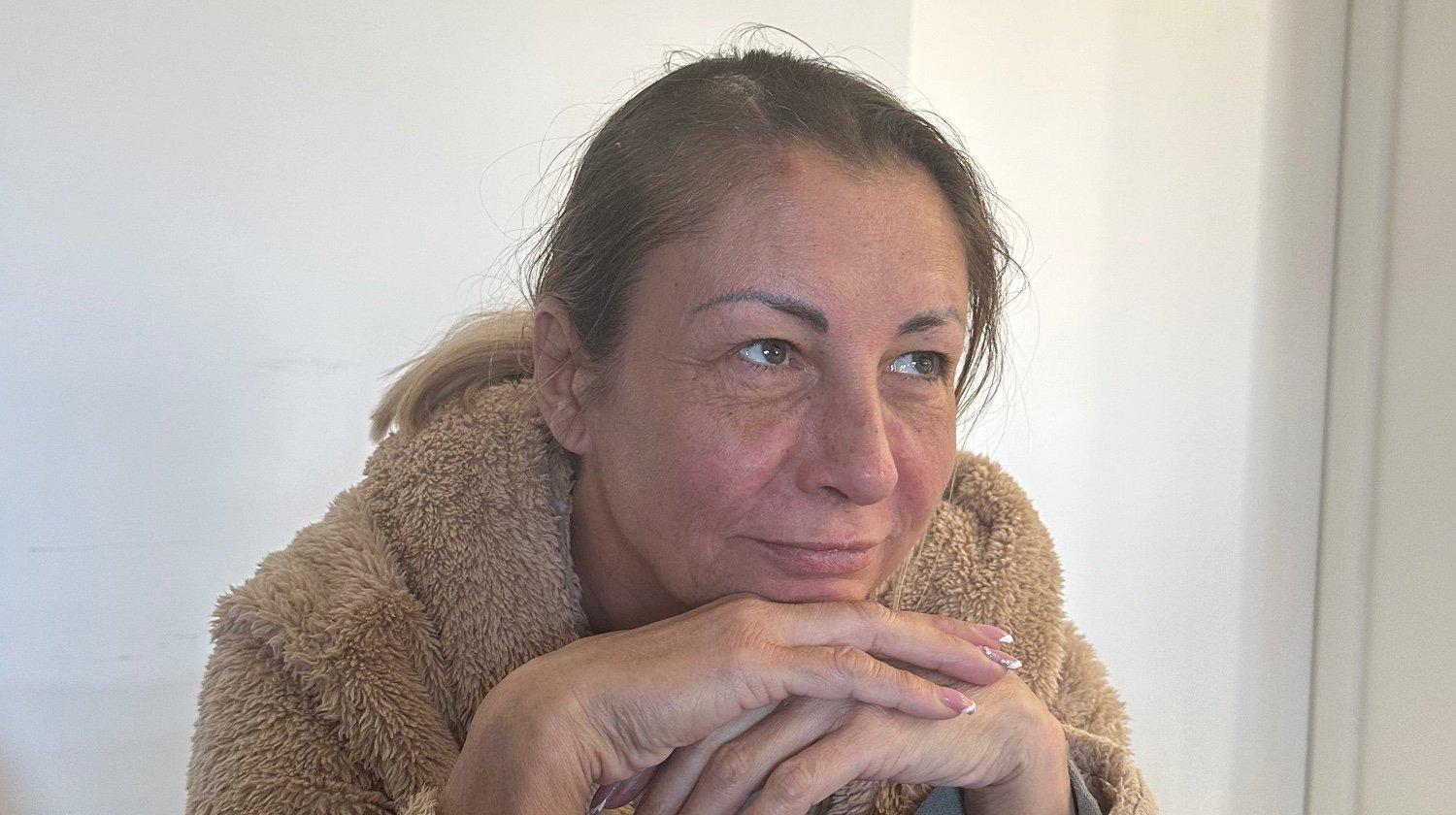
My name is Kinga Badicsné Seller, I am 51 years old and a mother
On 2 September, everything began overnight, without any warning, with neck pain and a headache.
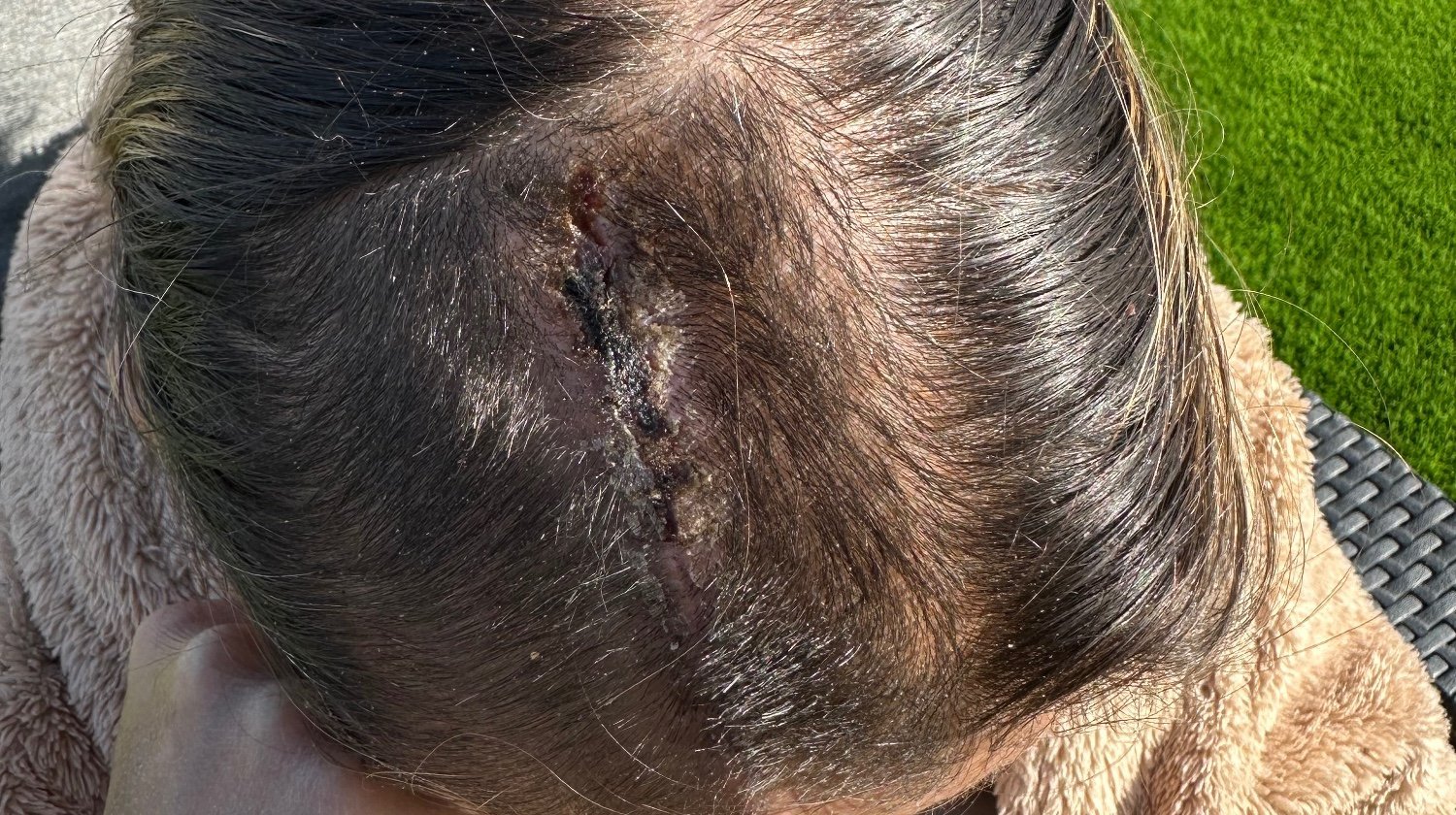
Thanks to the vigilance of my husband and our daughter, an ambulance took me to the A&E department at Szent Imre Hospital in the early hours of the morning on suspicion of a stroke. After a thorough examination and a CT scan, it turned out I had a brain tumour. I was immediately transferred to the Neurosurgery Department on Amerikai Út, where Dr Tamás Mezei operated on me on the 13th following pre-operative treatment. The operation was successful. A tumour measuring 50x37mm was removed. At that point, we were still hoping for the best, but unfortunately, we got the worst.
After the stitches were removed, the histological results revealed: glioblastoma (WHO grade 4).
This is the most aggressive and most common form of brain tumour, and the survival rate is very poor.
I am now facing radiotherapy and chemotherapy, and even after that, I have been given a prognosis of only 15–17 months at most.
That is why, after the treatments, I would like to start immunotherapy, which could give me years more to spend with my family.
I heard about immunotherapy from Ádám Pásztory, who is also battling this disease. This treatment is carried out in Germany; unfortunately, this procedure is not available in Hungary, and the National Health Service does not cover it. The treatment costs €80,000, of which €20,000 is for diagnostics, a further €60,000 for the production of the vaccine, and roughly €5,000 for other associated costs (travel and accommodation on several occasions).
The fundraising is in euros because we have to pay the clinic in euros, and when paying by credit or debit card, the bank applies a rate very close to the mid-market exchange rate, so this ensures that the largest possible amount of your donation is retained.
If you prefer to make a bank transfer, you can do so to one of the following bank account numbers:
Beneficiary: István Badics
Bank account number:
11775506-26548889-00000000
IBAN HU28117755062654888900000000
The donation process is extremely simple, but you can read a detailed description of it here:
1)Look for the red "Donate" button; on a desktop or laptop, it’s in the right-hand sidebar at the top of the page, and on a mobile, it’s pinned to the bottom of the screen. After clicking, you’ll first need to select the amount; alongside the most popular options, you can enter any amount you’d like to donate under "Other amount".
2) Once you’ve entered the amount,you can choose your payment method; if you have Revolut or a similar app, that’s probably the best option.
3) Next, under the ‘Supportthe 4fund.comteam’ section, you can decide whether you’d like to support the site itself or the fundraising platform. By default, the slider is set to 20%; you can adjust the support amount by dragging it left or right (you are not obliged to support the platform), so this amount is not donated to me, but to the development company.
4) Next, scroll down,enter your email address and, if you wish, your name.
5) Finally,click the ‘Donate’ buttonto start the familiar card payment process.
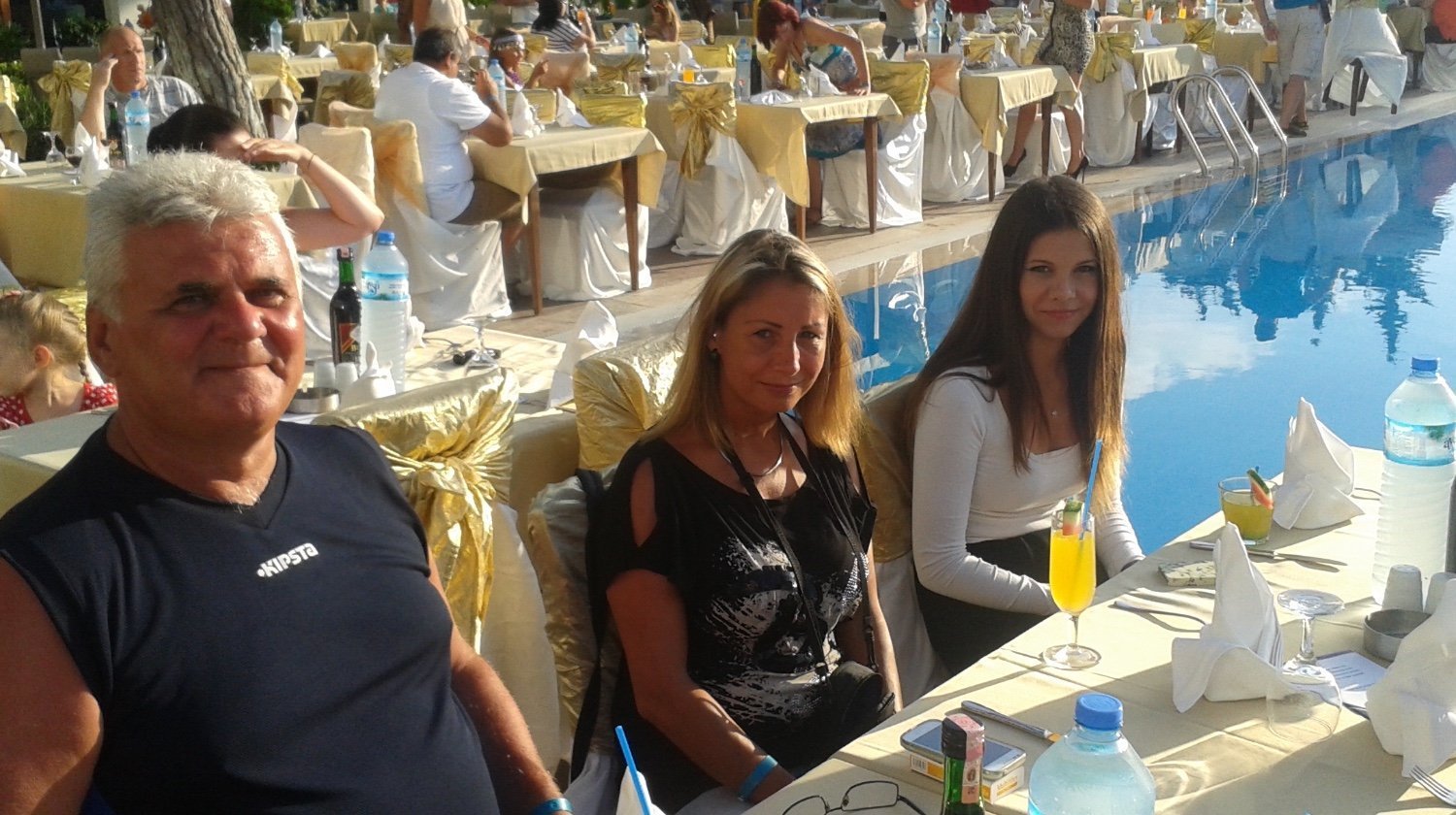
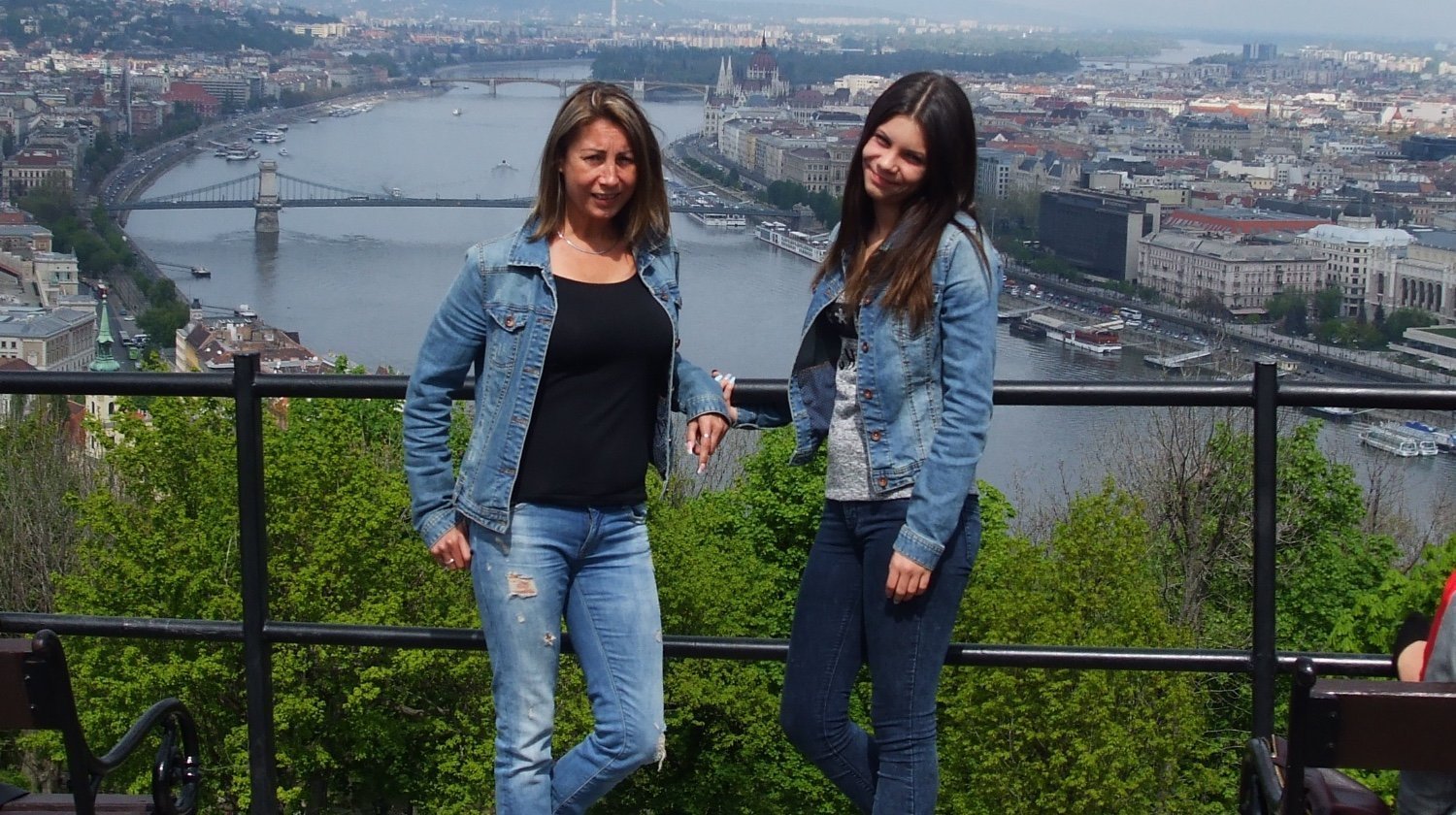
I am a strong woman and I will not give up this terribly difficult battle! By my side are my loving husband and my wonderful daughter, with whom we are fighting together, just as we always have! They help and support me in everything, but now we also need your help, for which I am already very grateful to everyone!
Immunotherapy:
In addition to what might be called traditional treatments—surgery, radiotherapy and chemotherapy—there are newer methods in cancer therapy. One of these is the rapidly developing field of immunotherapy.
Immunotherapy aims to control or defeat cancer by stimulating the body’s own natural defence system. The direct aim of immunotherapy is to activate and support the white blood cells that naturally participate in immune responses as effectively as possible.
One branch of immunotherapy is active or specific immunisation. The essence of this is that the patient is inoculated with a vaccine made from their own tumour, in an attempt to teach the immune system to recognise cancer cells.
Another method of immunotherapy is so-called passive immunotherapy, where the primary aim is to support the patient’s immune system, usually with substances introduced from outside the body.
One of the most promising forms of immunotherapy involves the production of so-called monoclonal antibodies, which are highly specific (binding to cancer cells with great efficiency). Cytotoxins and even radioactive sources can be attached to the antibodies produced in this way. The antibodies deliver these lethal payloads with increasing precision to their target, thereby destroying the tumour cells.
Various forms of immunotherapy are generally not used on their own in the treatment of tumours, but as a complement to conventional treatments. Based on experience to date, immunotherapy exerts its most beneficial effect by helping to destroy hidden cancer cells that remain after surgical, radiotherapy or chemotherapy treatment.
Treatment procedure:
1. Delivery of the tissue sample and fresh blood sample to the clinic.
2. The clinic checks the samples received and, using their DNA profile and the institute’s genetic database, the laboratory begins preparing the so-called peptide chain—which serves as the basis for the subsequent vaccination—following payment of 20,000 euros. This process takes 3–4 weeks.
3. Once the peptide chain is ready, serum production begins following payment of 60,000 euros. This takes 2.5–3.5 months.
4. Once the serum is ready, travel to Germany for a 4–5-day clinical vaccination treatment.
5. Return to Hungary.
6. Ten trips to Germany at six-week intervals, where booster vaccinations are administered as part of the clinical treatment, and the immune monitoring process begins, during which doctors examine and optimise the immune response. The total duration of the treatment is therefore 15–16 months.
Mielőbbi gyogyulást kívánok!
Ecker Edit
Vokány Zsolt
Veled vagyunk Kingu!!!