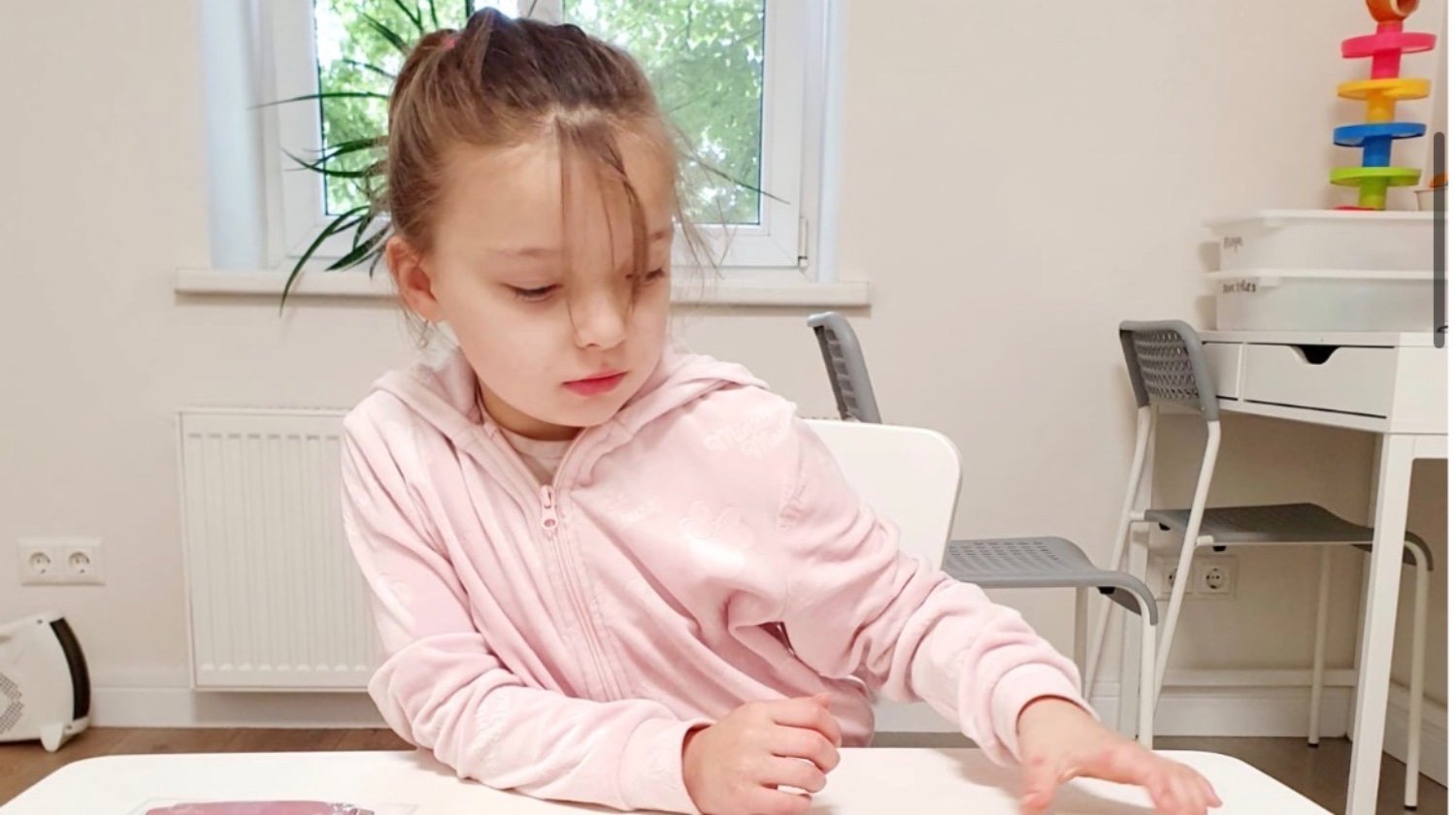
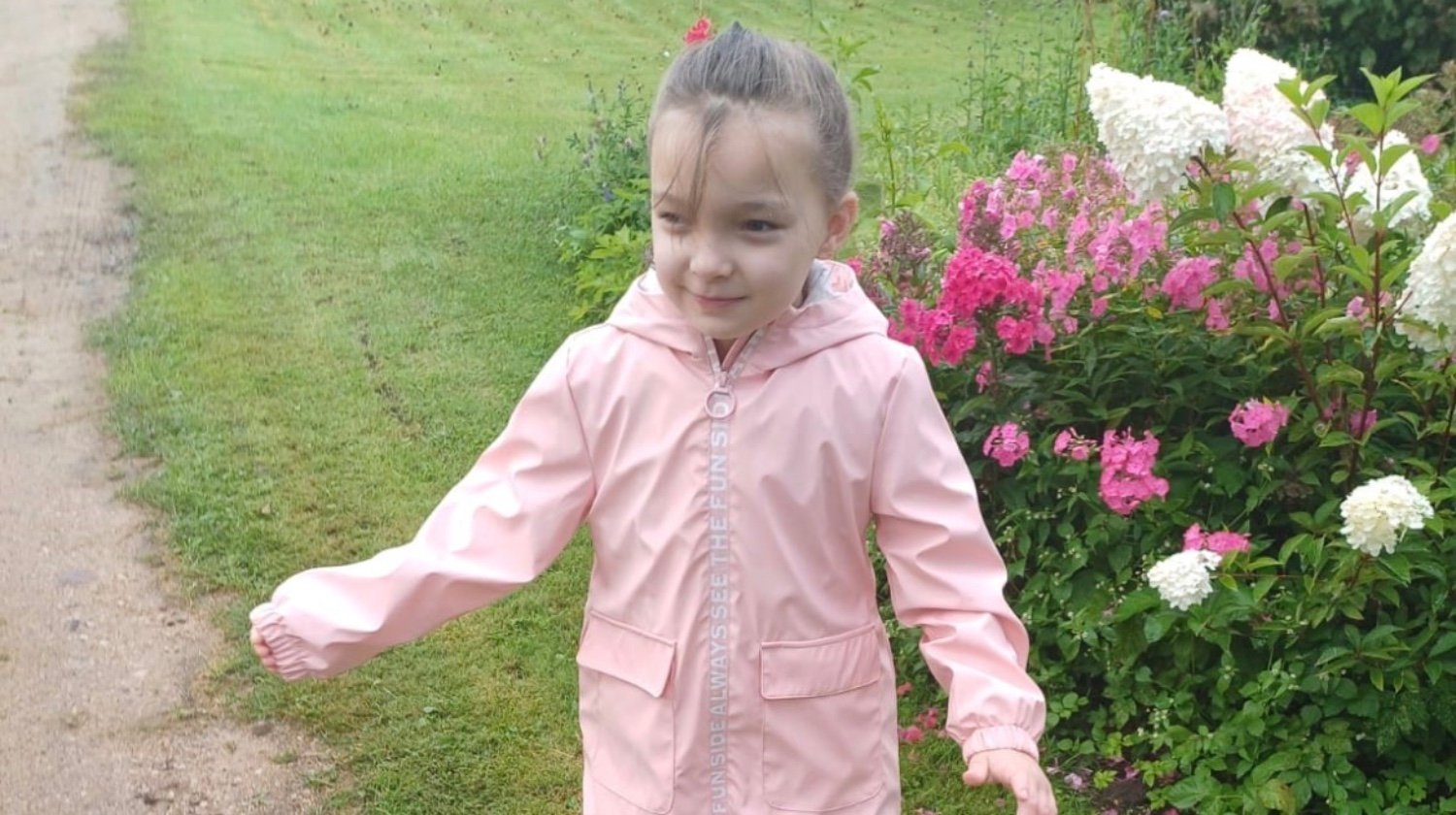
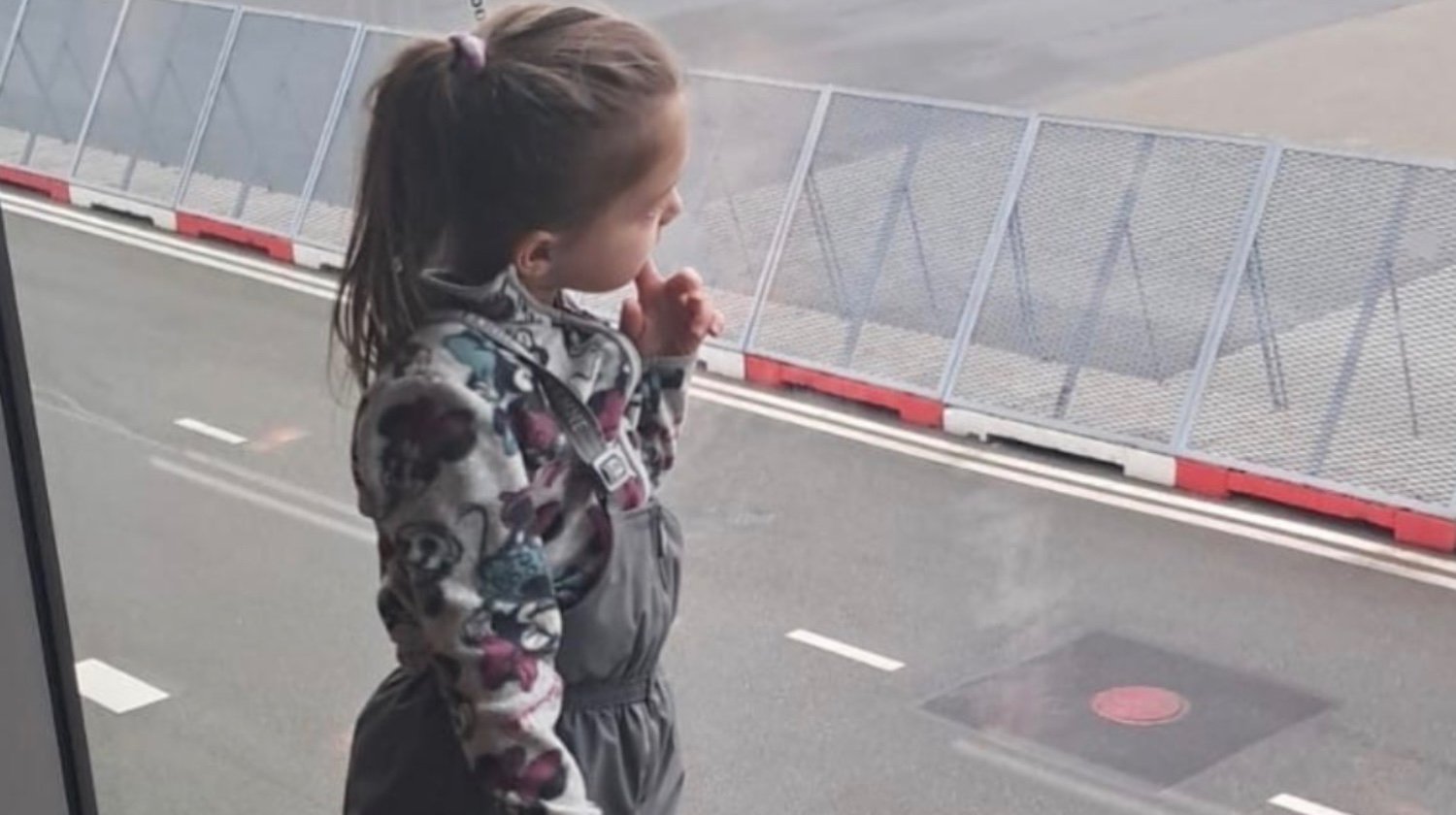
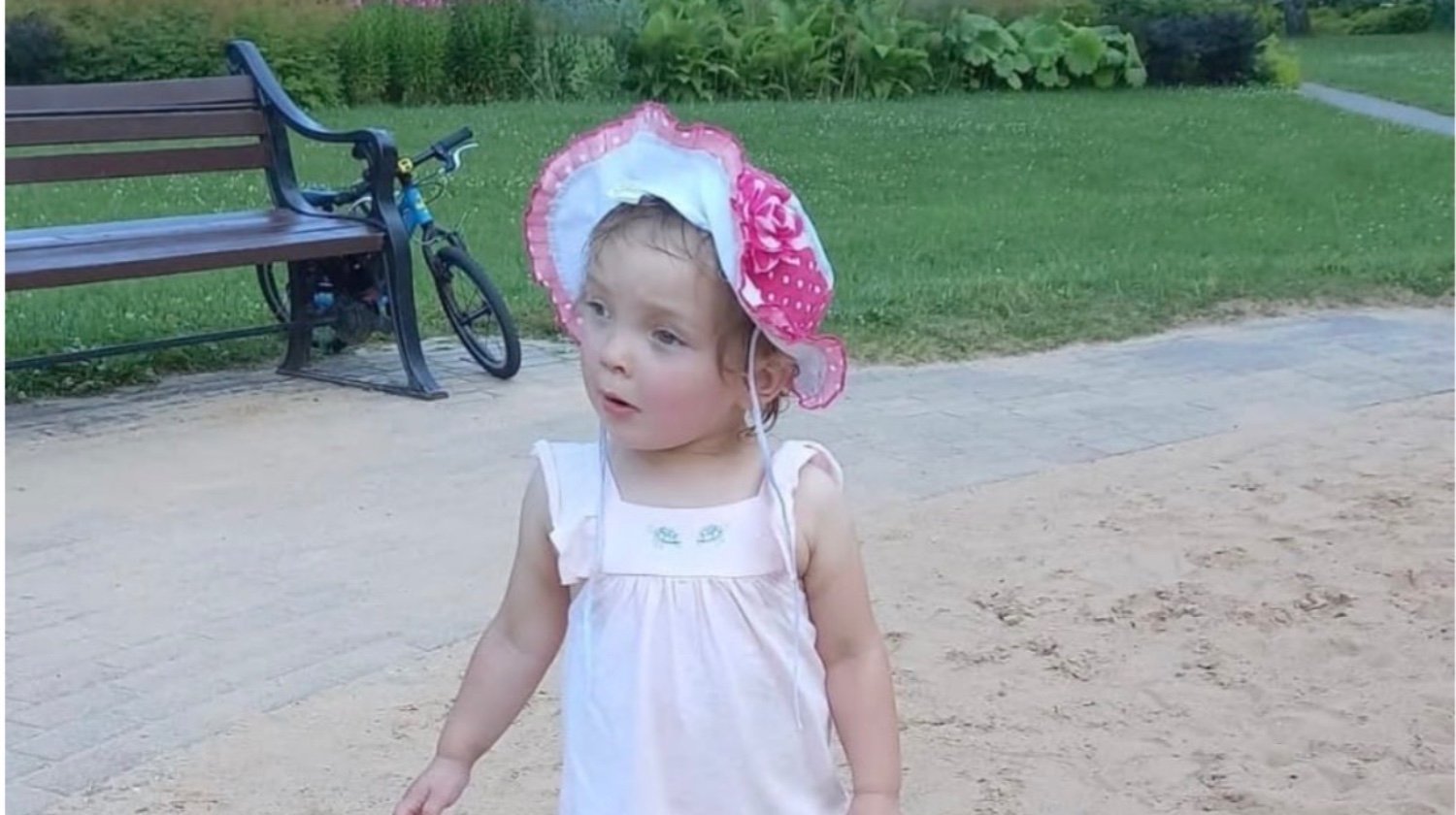
Support Katrina: A six-year-old in need of urgent care.
Support Katrina: A six-year-old in need of urgent care.
Description
In this loving family, there are three children — and little Katrina is the youngest.
It is Katrina who needs help to pay for a stem cell transplant operation. This autumn, she is scheduled to be admitted to the clinic.
The family lives in the small village of Stīveri, located between Sigulda and Allaži. The road to their home was built only recently, and even GPS can’t always find its coordinates. They’ve been unable to finish or repair their old family farmhouse — every cent they earn goes toward Katrina’s treatment.
Katrina’s mother, Everita, works as a kindergarten teacher in Sigulda.
Her father, Ivars, works in Malpils at a furniture factory. He’s incredibly skilled with his hands and is slowly repairing, insulating, and improving their old family home on his own.
Katrina’s brothers — 14-year-old Markus and 11-year-old Roberts — attend school in Allaži. The boys help their mother a lot around the house and take care of their little sister.
Everything in this family revolves around Katrina’s care — therapy, rehabilitation, and constant attention.
At the age of two, she was diagnosed with autism and granted disability status. Later, her vision problems began to worsen.
To better support her daughter’s development, Everita enrolled at the University of Latvia’s branch in Cēsis, where she is studying to become a preschool .
She now works in Sigulda at a Waldorf kindergarten, putting her whole heart into working with the children.
With Katrina, her mother attends every possible form of therapy and rehabilitation — ABA therapy, occupational therapy, physiotherapy, and more. All of these costly sessions and specialists are paid for by the family themselves.
But now the time has come when they truly need help — it is impossible for them to cover the cost of a stem cell transplant on their own. Yet this operation is a real chance for Katrina.
She is still at an age when stem cell therapy can bring significant improvements in her condition.
In December, through the “Green Lamp” project, funds were raised for Katrina’s first stem cell transplant at the Mardaleishvili Medical Centre in Georgia. This clinic turned out to be the most affordable and suitable option — treatment there is much less expensive than in many European countries with developed healthcare systems.
In her search for possible treatments for Katrina, Everita joined various parent support groups online and carefully studied the potential of stem cell therapy. She contacted several clinics and spoke with parents of children with autism who had already undergone this therapy.
The clinic in Tbilisi, the capital of Georgia, has received the most positive feedback, and many children have shown noticeable improvements in their health after treatment there.
Before the trip to the clinic, Katrina did not speak or understand spoken language at all. She had no self-care skills — she couldn’t dress herself, eat on her own, or go to the bathroom without help.
The required amount for the treatment was significant, and the parents decided that everything should be handled officially and transparently, so that every euro spent could be properly accounted for.
Therefore, they reached out to the BeOpen charity foundation, which helped open an official fundraising account for Katrina as part of the “Green Lamp” project.
Funds from this account can be used solely and exclusively to pay for Katrina Katena’s medical treatment and rehabilitation costs.
The first stem cell therapy gave Katrina a chance for life-changing progress. Now, the family is seeking support for a second round of treatment.
“The results we saw after the first procedure inspired us to keep going,” says her mother, Everita.
“After the therapy, we noticed significant improvements — Katrina’s EEG readings became better, and she started to say meaningful words for the very first time. That was something we had only dreamed of before.”
She now responds to her name, comes when she is called, and understands simple instructions better — such as “come,” “let’s go,” and “give.”
Her sleep has become calmer and deeper, and now, for the first time in years, the whole family is finally able to rest properly.
Little by little, she is learning to use the toilet with assistance and has even started to dress herself.
These achievements are a huge step forward.
However, to maintain and build on this progress, specialists recommend that Katrina undergo a second course of stem cell transplantation.
It could further improve her speech, comprehension, and independence in everyday life.
“We are deeply grateful to everyone who helps our daughter take the next steps in her development!” says Everita.
Stem cell therapy is considered a modern and effective treatment method, practiced in advanced medical centers around the world.
According to studies, 70% of patients experience steady improvement, and in 10% of cases, children achieve full recovery.